


Exploring the Hidden Gems of Wash Woods Settlement, Virginia

If you enjoy this blog post, consider subscribing to get my newsletter.
Comments are always welcome and appreciated.
Nestled along the Virginia coastline, Wash Woods Settlement is a place rich in history and mystery. Once a thriving community, it now stands as a quiet reminder of nature’s power and the resilience of its former residents. Exploring Wash Woods Settlement offers a unique glimpse into a vanished world, blending natural beauty with stories of survival and change. This post invites you to discover the hidden gems of this intriguing location and understand why it remains a captivating destination for history buffs, nature lovers, and curious travelers alike.

The Story Behind Wash Woods Settlement
Wash Woods Settlement was once a small coastal village located on the southern end of Virginia’s Eastern Shore. Established in the 18th century, the community thrived on fishing, farming, and maritime trade. Its residents lived in harmony with the surrounding marshlands and forests, relying on the natural resources for their livelihood.
Over time, however, the settlement faced increasing challenges. Coastal erosion, rising sea levels, and devastating storms gradually swallowed the land. By the early 20th century, Wash Woods had been abandoned, leaving only remnants of its past. Today, the area is part of the False Cape State Park, preserved as a natural and historical site.
Exploring the Natural Landscape
One of the most striking features of Wash Woods Settlement is its natural environment. Dense maritime forests, salt marshes, and sandy dunes characterize the area. These ecosystems support a variety of wildlife, making them havens for birdwatchers and nature enthusiasts.
Visitors can explore miles of hiking trails that wind through the park, offering opportunities to see deer, foxes, and numerous bird species, including ospreys and herons. The marshes are especially beautiful at sunrise and sunset, when the light reflects off the water and creates a serene atmosphere.
The beach near Wash Woods is another highlight. Unlike more crowded tourist spots, this stretch of coastline remains relatively untouched. Walking along the shore, you can find shells, driftwood, and sometimes even remnants of old shipwrecks, connecting you to the area’s maritime past.

Discovering Historical Remains
Though nature has reclaimed much of Wash Woods, traces of the settlement still exist. Visitors can find the foundations of old homes, a small cemetery, and the remains of a church that once served the community. These sites provide a tangible link to the people who lived here and their way of life.
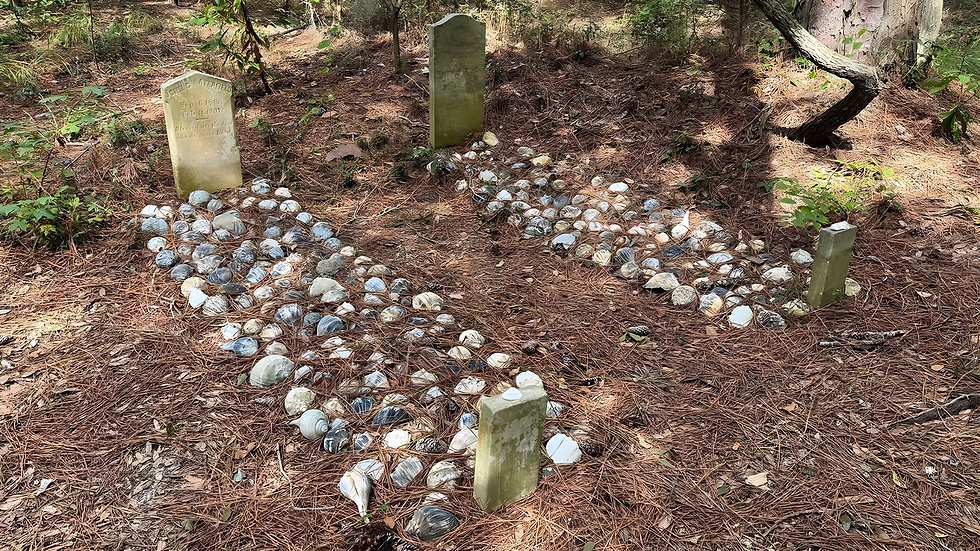
The Wash Woods Cemetery is particularly poignant. It contains weathered headstones dating back to the 19th century, some with inscriptions that tell brief stories of the residents. Walking through the cemetery, you get a sense of the close-knit community that once thrived in this remote location.
Interpretive signs along the trails help visitors understand the history and significance of these ruins. They explain how the settlement adapted to its environment and what led to its decline. This blend of natural and historical exploration makes Wash Woods a unique destination.
The Cemetery as a Historical Record
The Wash Woods Settlement, Virginia, cemetery stands as one of the few remaining physical reminders of this once vibrant community. It contains the graves of many original settlers and their descendants. The cemetery’s weathered tombstones tell stories of hardship, loss, and endurance.
Many graves date back to the 19th and early 20th centuries, marking the lives of fishermen, farmers, and their families. The inscriptions often include details about the deceased’s occupation, age, and family ties, offering valuable information for historians and genealogists.
The cemetery also reflects the challenges the community faced, including storms, disease, and economic changes that eventually led to the settlement’s decline. Some graves belong to children, highlighting the harsh living conditions and health risks of the time.
Impact of Natural Forces on the Settlement and Cemetery
Wash Woods was vulnerable to natural forces. Storms, tides, and erosion constantly reshape the barrier islands. Over time, these natural events took a toll on the settlement and its cemetery.
Hurricanes and nor’easters frequently battered the area, sometimes washing away homes and land. The cemetery itself has suffered from erosion and flooding, threatening the preservation of many graves. Efforts to protect and maintain the site have been ongoing, with local historians and preservation groups working to document and stabilize the cemetery.
The story of Wash Woods is a reminder of how communities adapt to and are shaped by their environment. The cemetery stands as a testament to the people who lived through these challenges and left their mark on the land.
Cultural Significance and Community Heritage
The Wash Woods Settlement, Virginia, cemetery is more than just a burial ground; it is a cultural landmark. It connects present-day visitors to the Eastern Shore's heritage and the region’s maritime tradition.
Local descendants and historians often visit the cemetery to honor their ancestors and keep the settlement's memory alive. The site also serves as an educational resource, helping people understand the lifestyle, customs, and history of Virginia's coastal communities.
Preserving the cemetery supports broader efforts to maintain the area’s cultural identity. It highlights the importance of remembering small, often overlooked communities that contributed to the region’s development.
Visiting the Cemetery Today
Today, the Wash Woods Settlement, Virginia, cemetery is accessible to visitors interested in history and genealogy. It offers a quiet, reflective space where people can connect with the past.
Visitors should expect a rustic setting, as the cemetery is remote with limited facilities. Walking paths may be uneven, and weather conditions can affect accessibility. Check local guidelines or contact preservation groups before planning a visit.
Respect for the site is essential. Visitors are encouraged to observe the graves, avoid disturbing the area, and follow any posted rules. Taking photographs for personal use is generally acceptable, but commercial use may require permission.

Preserving the Legacy of Wash Woods
Efforts to preserve the Wash Woods Settlement, Virginia, cemetery continue to grow. Local organizations and volunteers work to maintain the grounds, repair damaged headstones, and document the history of those buried there.
Community events, such as guided tours and historical talks, help raise awareness of the site’s importance. These activities encourage new generations to appreciate Wash Woods' heritage and support preservation efforts.
Technology also supports preservation. Digital archives and online databases allow wider access to the cemetery’s records, making it easier for researchers and descendants to explore their family history.
Why the Wash Woods Cemetery Matters
The Wash Woods Settlement, Virginia, cemetery offers more than historical facts; it connects us to real people and their stories. It reminds us of the resilience required to live in a challenging environment and the importance of community bonds.
By learning about this cemetery, we gain insight into a way of life that has largely disappeared but remains significant. The site encourages reflection on how history shapes identity and the value of preserving local heritage.
For anyone interested in American history, genealogy, or coastal culture, the Wash Woods cemetery is a meaningful destination. It invites us to remember those who lived, worked, and rested in this unique part of Virginia.
Activities to Enjoy at Wash Woods
Wash Woods Settlement offers a variety of activities that appeal to different interests:
Hiking and Wildlife Watching
The park’s trails range from easy walks to more challenging routes. Bring binoculars for birdwatching and a camera to capture the stunning scenery.
Beachcombing and Fishing
The quiet beach is perfect for collecting shells or fishing from the shore. Local regulations help protect the environment, so follow the guidelines.
Photography
The mix of natural beauty and historical ruins offers excellent photo opportunities. Early-morning and late-afternoon light enhances the landscape's textures and colors.
Educational Visits
Schools and history groups often visit Wash Woods to learn about coastal ecology and Eastern Shore history. The site offers a real-world classroom for understanding environmental change.
Tips for Visiting Wash Woods Settlement
To make the most of your visit, keep these practical tips in mind:
Prepare for Limited Facilities
Wash Woods is remote with minimal amenities. Bring water, snacks, and any supplies you might need.
Wear Appropriate Footwear
Trails can be sandy and uneven. Comfortable hiking shoes or boots are recommended.
Check Weather Conditions
Coastal weather can change quickly. Dress in layers and be prepared for wind or rain.
Respect the Environment
Stay on marked trails, do not disturb wildlife, and carry out all trash.
Plan Your Transportation
Access to Wash Woods is limited. Some trails start from False Cape State Park, which may require a short hike or shuttle ride.
Why Wash Woods Settlement Matters Today
Wash Woods Settlement stands as a powerful example of how communities interact with their environment. Its story highlights how natural forces shape human habitation and the importance of preserving both history and nature.
For visitors, Wash Woods offers a chance to step back in time and reflect on past generations' resilience. It also reminds us of the ongoing challenges coastal areas face from climate change and erosion.
By exploring Wash Woods, you support efforts to protect this unique site and keep its stories alive for future generations.
Frequently Asked Questions
Where was Wash Woods Settlement in Virginia?
Wash Woods was located on False Cape, in what is now False Cape State Park in Virginia Beach, close to the North Carolina border. It sat between the Atlantic Ocean and Back Bay.
Who founded Wash Woods?
Local legend often links the settlement to shipwreck survivors, but the documented community developed over time, especially in the 1800s. Families lived there by fishing, hunting, farming, salvaging, and working with the resources around them.
What remains of Wash Woods today?
The most visible reminders are associated with the old church site and cemetery. The broader landscape also matters because it shows the isolation and coastal conditions that shaped the community.
Why did people leave Wash Woods?
The settlement declined because of isolation, storms, changing transportation and work patterns, and the difficulty of maintaining life on a barrier landscape. Over time, residents moved away, and nature reclaimed much of the site.
Can you visit Wash Woods?
Yes, but access takes planning. The site is inside False Cape State Park, where cars have limited or no direct access. Visitors usually arrive by hiking, biking, boating, or seasonal park programs.
The real lesson of Wash Woods
Wash Woods doesn’t survive as a neat row of restored houses. It survives as a feeling, a place where the woods, sand, graves, and stories all point to a community that worked hard to exist.
That’s what makes it so compelling. The settlement wasn’t grand, but it was deeply human. People built homes on unstable land. They worshiped, worked, raised families, buried their dead, and made a life between ocean and bay.
If you care about Virginia history, Wash Woods is worth remembering because it widens the story. It shows the state not only through famous names and major events, but through ordinary people living in a difficult, beautiful place.
And once you’ve pictured that small settlement holding on at the edge of the Atlantic, it’s hard to forget.
Because of the scams going on with Airbnb and Vrbo, I will not recommend places listed here on my blog. Here are links to a couple of cases if you would like to read them.
Places to Stay:
You can show your appreciation with a virtual coffee if you have found value in my blog.

Do not forget to subscribe to get my monthly newsletter.
Some links on my website are affiliate links. I earn from qualifying purchases as an Amazon Associate and an Expedia Associate. Through other links, I may also receive a small commission at no extra cost to you. Using them supports me, helps offset the cost of running this website, and helps me keep providing free content and resources.
I truly appreciate the support!

Comments