


Best Spots to Explore Ghost Towns in the United States?

Updated: May 14
Ghost towns offer a unique glimpse into America’s past, where abandoned buildings and silent streets tell stories of once-thriving communities. Exploring these forgotten places can be a thrilling adventure for history buffs, photographers, and curious travelers alike. The United States is home to many ghost towns, each with its own character and history. This post highlights some of the best spots to explore ghost towns across the country, providing practical tips and insights for your visit.

Why Explore Ghost Towns?
Ghost towns capture moments frozen in time. They reveal the rise and fall of industries, the impact of migration, and the changing tides of economic fortune. Visiting these towns allows you to:
Experience history firsthand
Enjoy unique photo opportunities
Discover local legends and folklore
Connect with the landscape and environment in a quiet, reflective way
Many ghost towns are accessible by car or short hikes, making them great day trips or weekend getaways. Some have preserved buildings and museums, while others are raw and untouched.
Best Ghost Towns to Visit in the Western US
The western United States is famous for its ghost towns, many of which grew during the gold and silver rushes of the 19th century. Here are some top picks:
Bodie, California
Bodie, California, stands as a frozen moment in time, a ghost town that captures the imagination of travelers and history enthusiasts alike. Once a booming gold mining town, Bodie now offers a haunting glimpse into the past, with its weathered buildings and deserted streets telling stories of a vibrant community that vanished almost overnight. Visiting Bodie is more than a trip; it’s an adventure into the eerie beauty of a place where history and mystery intertwine.

The Rise and Fall of Bodie
Bodie’s story begins in 1859 when gold was discovered in the nearby hills. The town quickly grew, reaching its peak in the late 1800s with a population of around 10,000 people. It was a lively place filled with miners, merchants, saloons, and families. The promise of wealth attracted people from all over, but the boom was short-lived.
By the early 20th century, the gold veins started to dry up, and Bodie’s population dwindled. Fires, harsh winters, and economic decline led to the town’s abandonment. Today, Bodie remains a ghost town preserved in a state of “arrested decay,” maintained by the California State Parks system. Visitors can walk through the town and see original buildings, artifacts, and even remnants of daily life from over a century ago.
What Makes Bodie Unique
Bodie is not just any ghost town. It is one of the best-preserved examples of a Wild West mining town in the United States. The town’s isolation in the Sierra Nevada mountains helped protect it from modern development, allowing visitors to experience an authentic glimpse of the past.
Here are some features that make Bodie stand out:
Authentic Structures: Over 100 buildings remain, including homes, a schoolhouse, a church, and the infamous Red Dog Saloon.
Arrested Decay: The town is preserved as it was left, with no modern renovations, lending it a haunting, genuine atmosphere.
Historical Artifacts: Inside some buildings, you can find original furniture, tools, and personal items left behind.
Wild West Stories: Bodie was known for its lawlessness, with tales of gunfights, robberies, and a lively nightlife that adds to its mystique.
Planning Your Visit to Bodie
Visiting Bodie requires some preparation, as it is located in a remote area with limited services. Here are practical tips to make the most of your trip:
Best Time to Visit: Summer and early fall offer the best weather. Winters are harsh, and the road to Bodie often closes due to snow.
Getting There: Bodie is about 75 miles east of Yosemite National Park. The last 13 miles are on a dirt road, so a high-clearance vehicle is recommended.
Park Hours and Fees: The park is open daily from 8 AM to sunset. There is a small entrance fee to help with preservation efforts.
What to Bring: Water, snacks, sturdy shoes, and a camera. There are no food services inside the park.
Guided Tours: Rangers offer guided tours during the summer months, providing deeper insights into Bodie’s history.
Exploring Bodie’s Most Fascinating Spots
Once inside Bodie, several locations stand out for their historical significance and eerie charm:
The Bodie Bank: This building still has its original vault and offers a glimpse into the town’s financial past.
The Bodie Hotel: Known for its ghost stories, the hotel is a favorite among visitors interested in the supernatural.
The Schoolhouse: Preserved with desks and chalkboards, it shows how children learned in this remote town.
The Mines: Though not open for exploration, the nearby mines remind visitors of the hard labor that fueled Bodie’s economy.
The Ghostly Legends of Bodie
Bodie’s reputation as a haunted town adds an extra layer of intrigue. Visitors and locals alike share stories of ghost sightings and unexplained noises. Some of the most famous legends include:
The Lady in White: Said to roam the streets near the old hotel, this apparition is often reported by night visitors.
Phantom Gunshots: Echoes of past violence are sometimes heard, especially near the saloons.
Mysterious Footsteps: Visitors have reported footsteps following them in empty buildings.
Whether you believe in ghosts or not, these stories contribute to Bodie’s unique atmosphere and make the visit even more memorable.
Tips for Respectful Exploration
Bodie is a protected historic site, and preserving its condition is crucial. Here are some guidelines to ensure your visit respects the town’s legacy:
Do Not Touch or Move Artifacts: Everything is fragile and part of the historical record.
Stay on Designated Paths: This helps protect the structures and the environment.
No Littering: Pack out all trash to keep the site clean.
Photography: Allowed, but avoid using flash inside buildings to prevent damage.
Follow Park Rules: Rangers are there to help and protect the site.
Why Bodie Should Be on Your Travel List
Bodie offers a rare chance to step back in time and experience a piece of American history that feels untouched by modern life. Its haunting beauty, combined with the stories of its past, creates a powerful experience for anyone interested in history, adventure, or the supernatural.
Visiting Bodie is not just about seeing old buildings; it’s about connecting with the lives of those who once called this place home. It’s a reminder of the fleeting nature of fortune and the enduring spirit of those who sought a better life in the rugged West.
If you are planning a trip to California or the Sierra Nevada region, make sure to include Bodie on your itinerary. It’s a destination that challenges your imagination and leaves a lasting impression.
Calico, California
Calico Ghost Town in California offers a unique glimpse into the past, where history and adventure meet in the heart of the Mojave Desert. Once a booming silver mining town in the late 1800s, Calico now stands as a well-preserved relic of the Old West. Visitors can explore its dusty streets, historic buildings, and mining tunnels, making it a fascinating destination for history buffs, families, and anyone curious about California’s mining heritage.

The History Behind Calico Ghost Town
Calico was founded in 1881 during a silver rush that attracted thousands of miners and entrepreneurs. At its peak, the town had over 500 mines and a population of around 1,200 people. The silver boom lasted until the mid-1890s when the price of silver dropped sharply, causing the town to decline rapidly. By the early 1900s, Calico was mostly abandoned, earning it the nickname “ghost town”.
In the 1950s, Walter Knott, the founder of Knott’s Berry Farm, purchased and restored Calico. His goal was to preserve the town’s history and create an educational attraction. Today, Calico Ghost Town is a California Historical Landmark and a popular tourist destination that offers a window into the mining era.
What to See and Do in Calico
Visitors to Calico Ghost Town can enjoy a variety of activities that bring the Old West to life:
Walking Tours: Stroll along the main street, lined with original and reconstructed buildings, including the sheriff’s office, schoolhouse, and general store. Informative signs and guides share stories about the town’s past.
Mine Tours: Explore the Maggie Mine, one of the original silver mines. Guided tours take visitors through the tunnels, explaining mining techniques and the dangers miners faced.
Gold Panning: Try your hand at panning for gold in the creek. This hands-on activity is fun for all ages and offers a taste of the miner’s experience.
Live Shows and Events: Calico hosts reenactments, gunfight shows, and seasonal events that add excitement and entertainment to your visit.
Museum and Gift Shops: Learn more about the mining era at the museum and pick up souvenirs that reflect the town’s heritage.
Practical Tips for Visiting Calico Ghost Town
Planning your visit can help you make the most of your time in Calico:
Best Time to Visit: Spring and fall offer mild weather, making outdoor exploration comfortable. Summers can be very hot, so bring water and sun protection.
Getting There: Calico is located about 15 miles from Barstow, California. It’s accessible by car via Interstate 15. There is ample parking available on-site.
Admission and Hours: The town charges a small admission fee to help maintain the site. Check the official website for current hours and ticket prices.
Accessibility: Some areas, including mine tours, may not be suitable for people with mobility issues. The main street is mostly flat and easy to navigate.
Food and Amenities: There are a few eateries and snack stands in the town, but bringing your own refreshments is a good idea if you plan to stay for several hours.
Why Calico Ghost Town Is Worth the Visit
Calico offers more than just a walk through history. It provides an immersive experience that connects visitors with California’s mining past in ways textbooks cannot. The town’s authentic atmosphere, combined with interactive activities, makes it a memorable destination for families, school groups, and solo travelers alike.
For those interested in photography, the rustic buildings and desert landscape create striking visuals. History enthusiasts will appreciate the detailed restoration and the stories behind each site. Adventure seekers can explore the mine tunnels and pang for gold.
Preserving Calico for Future Generations
Calico Ghost Town stands as a reminder of the challenges and triumphs of early miners and settlers. Preservation efforts ensure that this piece of California’s heritage remains intact. Visitors contribute to these efforts through admission fees and by respecting the site.
Supporting Calico means supporting education and cultural preservation. It also helps maintain the town as a safe and engaging place for future visitors to discover.
Rhyolite, Nevada
Rhyolite, Nevada, stands as a striking reminder of the American West’s boom-and-bust mining era. Once a bustling town during the early 1900s gold rush, it now lies mostly abandoned, offering visitors a unique glimpse into history through its weathered ruins and desert landscape. Exploring Rhyolite reveals more than just a ghost town; it uncovers stories of ambition, survival, and the passage of time.

The Rise and Fall of Rhyolite
Rhyolite sprang up almost overnight in 1905 after gold was discovered nearby. At its peak, the town boasted a population of around 10,000 people. It had banks, a stock exchange, a hospital, and even an opera house. The promise of wealth attracted miners, entrepreneurs, and families hoping to strike it rich.
The gold mining industry fueled the town’s rapid growth, but the boom was short-lived. By 1911, the mines began to yield less gold, and by 1920, most residents had left. The harsh desert environment and lack of sustainable resources made it impossible for Rhyolite to survive once the gold ran out.
Today, the remains of Rhyolite stand as a testament to this brief but intense chapter in Nevada’s history.
What to See in Rhyolite Today
Visitors to Rhyolite can explore several well-preserved ruins and landmarks that tell the story of the town’s heyday.
The Bottle House
One of the most famous structures in Rhyolite is the Bottle House, built by Tom Kelly in 1906. This unique building is made from thousands of glass bottles, creating a colorful mosaic effect. It served as a residence and is a fascinating example of early recycling and creativity in a frontier town.
The Train Depot Ruins
The remains of the train depot offer insight into how goods and people moved in and out of Rhyolite. The depot was a vital hub during the town’s peak, connecting it to larger cities and mining operations.
The Bank of Rhyolite
The ruins of the bank building still stand, with its stone walls partially intact. This building once housed the financial heart of the town, where miners cashed their paychecks, and investors made deals.
The Goldwell Open Air Museum
Just outside Rhyolite, the Goldwell Open Air Museum features large-scale sculptures that blend art with the desert environment. These installations add a modern cultural layer to the historic site and are worth a visit for art lovers and photographers.
Why Rhyolite Matters Today
Rhyolite is more than a ghost town; it is a window into the past that helps us understand the challenges and hopes of early 20th-century miners and settlers. The town’s ruins evoke the human stories behind the gold rush, including the dreams that fueled rapid growth and the harsh realities that led to abandonment.
Exploring Rhyolite allows visitors to connect with history tangibly. The desert silence and crumbling buildings invite reflection on the impermanence of human endeavors and the power of nature to reclaim its space.
Planning Your Trip to Rhyolite
If you are interested in history, photography, or the American West, Rhyolite offers a rewarding experience. Nearby Beatty provides accommodations and dining options, making it a convenient base for exploring the ghost town.
Consider combining your visit with a trip to Death Valley National Park, which is just a short drive away. This region offers stunning landscapes and additional historical sites related to mining and desert life.
Pripyat, California
Pripyat, California, was established during a period of rapid expansion in the early 20th century. Like many towns in the American West, it grew around a specific industry or transportation hub. In this case, Pripyat was founded as a mining town, attracting workers and their families with the promise of prosperity. The town quickly developed essential infrastructure, including schools, shops, and homes, creating a tight-knit community.

The boom was short-lived. As the mines began to dry up or become unprofitable, residents started to leave in search of better opportunities. The decline was swift, and by the mid-20th century, Pripyat was largely deserted. Today, it stands as a ghost town, a silent witness to the rise and fall of a once-thriving community.
What Makes Pripyat in California Unique
Unlike many ghost towns that have been completely erased or turned into tourist attractions, Pripyat in California retains a raw, untouched quality. The buildings, though weathered and decaying, still hold their original character. Wooden structures lean precariously, windows are shattered or missing, and rusted machinery lies scattered.
Visitors to Pripyat can walk through the streets and imagine the daily lives of those who once lived there. The absence of modern restoration means the town offers an authentic experience of abandonment. Nature has begun to reclaim the area, with plants growing through cracks in the pavement and animals making homes in the ruins.
The Stories Hidden in Pripyat’s Ruins
Every abandoned town has stories waiting to be uncovered, and Pripyat in California is no exception. Local historians and enthusiasts have collected accounts from former residents and their descendants. These stories paint a picture of a community that faced hardship but also shared moments of joy and resilience.
One common theme is the impact of the mining industry on daily life. Families depended on the mines for income, but the work was dangerous and exhausting. Accidents were not uncommon, and the uncertainty of the town’s future weighed heavily on its people.
Despite these challenges, residents built schools, churches, and social clubs. Annual events and celebrations brought the community together, creating bonds that lasted even after the town was abandoned.
Why Ghost Towns Like Pripyat Matter Today
Ghost towns serve as tangible reminders of history’s unpredictability. Pripyat in California shows how economic shifts can transform landscapes and communities. It also highlights nature’s resilience, which slowly reclaims human-made environments when left alone.
For historians, urban explorers, and curious travelers, Pripyat offers a unique opportunity to connect with the past. It encourages reflection on how communities adapt, survive, or disappear over time.
Preserving such sites, even in their decayed state, helps keep history alive. It allows future generations to learn from the successes and failures of those who came before.
Planning Your Visit to Pripyat in California
Before heading out, research the exact location and access rules for Pripyat. Some ghost towns are on private land or in protected areas so that permission may be required. Check local resources or visitor centers for up-to-date information.
Bring a camera to capture the haunting beauty of the abandoned buildings and overgrown streets. Early morning or late afternoon light can add dramatic shadows and enhance the atmosphere.
Remember to pack out everything you bring in, leaving the site as you found it. Sharing your experience can raise awareness about the importance of preserving ghost towns and their stories.
Virginia City, Montana
Virginia City, Montana, stands as a remarkable window into the past. This small town, nestled in the heart of the Rocky Mountains, offers visitors a chance to step back in time and experience the spirit of the American West during the gold rush era. Its preserved buildings, rich history, and unique atmosphere make it a destination worth exploring for history buffs, travelers, and anyone curious about Montana’s heritage.

A Glimpse into the Past
Virginia City was founded in 1863 during the Montana gold rush. It quickly grew into a bustling mining town, attracting prospectors, merchants, and settlers eager to make their fortune. Today, the town retains much of its original character, with over 200 historic buildings still standing. Walking through the streets feels like traveling back to the 19th century, where wooden sidewalks, old saloons, and vintage storefronts tell stories of a bygone era.
The town’s preservation efforts have kept the spirit of the gold rush alive. Many buildings operate as museums, shops, or restaurants, allowing visitors to experience the lifestyle and culture of the time. The Virginia City Historic District is listed on the National Register of Historic Places, highlighting its significance as a cultural treasure.
Must-See Attractions in Virginia City
Visitors to Virginia City will find plenty to explore. Here are some highlights that capture the town’s historic charm:
The Alder Gulch Trail
This trail follows the path where gold was first discovered, sparking the rush that founded Virginia City. Walking the trail offers insight into the natural landscape and the challenges faced by early miners.
The Montana Territorial Prison State Park
Located nearby, this former prison offers tours that reveal the harsh conditions prisoners endured. It adds a layer of history related to law enforcement and justice in the Old West.
The Nevada City Museum
Just a few miles from Virginia City, Nevada City is another well-preserved mining town. The museum there provides additional context about the region’s mining history and daily life during the gold rush.
Historic Saloons and Shops
Many original saloons remain open, serving food and drinks in an authentic setting. Shops sell handmade crafts, antiques, and souvenirs that reflect the town’s heritage.
Experiencing the Local Culture
Virginia City hosts several events throughout the year that celebrate its history and community spirit. The most famous is the Virginia City Days, held every July. This event features parades, reenactments, live music, and traditional crafts, drawing visitors from across the country.
The town also offers guided tours led by knowledgeable locals who share stories about the people who lived and worked there. These tours provide a personal connection to the past and reveal details that might be missed when exploring on your own.
Dining in Virginia City is another way to connect with its charm. Many restaurants serve hearty meals inspired by frontier cooking, using local ingredients. Sitting down for a meal in a historic building adds to the immersive experience.
Why Virginia City Matters Today
Virginia City is more than a tourist destination. It serves as a living museum that preserves an important chapter of American history. The town’s survival and restoration demonstrate the value of protecting cultural heritage. Visitors leave with a deeper understanding of the challenges and triumphs of those who shaped the American West.
For educators, historians, and families, Virginia City offers a hands-on learning experience. It connects people to the past in a way that books and screens cannot. The town’s atmosphere encourages curiosity and respect for history.
Salton Sea, California
The Salton Sea in California holds a strange and haunting story. Once a thriving resort area, it is now home to an eerie ghost town that draws curiosity from travelers, historians, and photographers alike. This abandoned place tells a tale of environmental challenges, economic shifts, and human ambition gone awry. Exploring the ghost town at Salton Sea offers a unique glimpse into a forgotten chapter of California’s history.

The Rise of Salton Sea as a Resort Destination
In the mid-20th century, the Salton Sea was a popular vacation spot. Created accidentally in 1905 when the Colorado River flooded into the Salton Basin, the sea became California’s largest lake. Its warm waters and desert surroundings attracted visitors looking for boating, fishing, and relaxation.
Developers built resorts, marinas, and vacation homes along the shoreline. The area buzzed with activity during the 1950s and 1960s. Families flocked to the Salton Sea for holidays, and the local economy thrived on tourism. The ghost town we see today was once a lively community filled with shops, hotels, and entertainment venues.
Environmental Challenges That Led to Decline
The Salton Sea’s decline began when environmental problems emerged. The lake has no natural outlet, so water only leaves through evaporation. Over time, this caused the water to become increasingly salty and polluted. Agricultural runoff from nearby farms added fertilizers and pesticides, worsening the water quality.
Fish populations died off, and foul odors from decaying organic matter became common. These changes made the area less attractive to visitors. Resorts closed, and residents moved away. The ghost town at the Salton Sea is a direct result of these environmental shifts.
What Remains in the Ghost Town Today
Visiting the ghost town reveals crumbling buildings, empty streets, and abandoned vehicles. The remnants of once-bustling businesses stand frozen in time. You can find:
Old motels with faded signs
Deserted marinas with rusted boats
Empty storefronts with peeling paint
Weathered billboards advertising long-gone attractions
The silence and desolation create a surreal atmosphere. It’s a place where nature slowly reclaims what humans left behind.
Why People Visit the Salton Sea Ghost Town
Despite its decay, the ghost town attracts a variety of visitors. Photographers come to capture its haunting beauty. Urban explorers seek the thrill of wandering abandoned places. Environmentalists study the impact of human activity on fragile ecosystems. Tourists curious about California’s hidden history also make the trip.
The site offers a powerful reminder of how quickly fortunes can change. It encourages reflection on the balance between development and nature.
The Future of the Salton Sea and Its Ghost Town
Efforts are underway to address the environmental problems of the Salton Sea. Restoration projects aim to improve water quality and reduce harmful emissions. These initiatives could eventually revive parts of the area and attract new visitors.
However, the ghost town remains a powerful symbol of what was lost. It stands as a cautionary tale about the consequences of environmental neglect and economic shifts. For now, it continues to fascinate those who seek to understand its mysteries.
Garnet Montana
Garnet, Montana, stands as a remarkable window into the past. Once a thriving mining town, it now offers visitors a chance to step back in time and explore the remnants of a bygone era. This ghost town adventure reveals the rugged history and enduring spirit of the American West. Whether you are a history enthusiast, an outdoor explorer, or simply curious about Montana’s heritage, Garnet provides a unique experience filled with stories and sights that bring the Old West to life.

The Rise and Fall of Garnet
Garnet was founded in the late 1800s during Montana’s gold rush. Miners flocked to the area after gold was discovered in the nearby hills. At its peak, Garnet had over 1,000 residents and featured a variety of establishments, including saloons, a school, a post office, and general stores. The town thrived on mining, with several mines operating in the surrounding hills.
The town’s decline began in the early 1900s as the gold veins ran dry and mining became less profitable. Residents gradually left, and by the 1940s, Garnet was largely abandoned. Unlike many ghost towns that have disappeared completely, Garnet’s buildings remained intact, preserved by the dry Montana climate and preservation efforts.
What to See in Garnet Today
Visitors to Garnet can explore more than 30 original buildings that still stand, offering a tangible connection to the past. Here are some highlights:
The Sweeney Cabin: One of the best-preserved homes, showcasing the living conditions of early miners.
The Saloon: A classic wooden structure where miners once gathered to relax and share stories.
The Schoolhouse: A small building that served the children of Garnet, reflecting the town’s community spirit.
Mining Ruins: Remnants of old mining equipment and shafts scattered around the area.
Walking through Garnet feels like stepping into a living museum. The wooden sidewalks, weathered signs, and rustic buildings create an authentic atmosphere that few ghost towns can match.
How to Get There and What to Bring
Garnet is located about 40 miles east of Missoula, Montana. The drive itself is scenic, winding through forested hills and open meadows. The last few miles are on a gravel road, so a vehicle with good ground clearance is recommended.
When planning your visit, keep these tips in mind:
Wear sturdy shoes: The terrain can be uneven and rocky.
Bring water and snacks: There are no services inside the ghost town.
Check the weather: Conditions can change quickly, especially in spring and fall.
Respect the site: Garnet is a protected historic area, so avoid disturbing buildings or artifacts.
Activities Beyond Exploring
While exploring the ghost town is the main attraction, Garnet also offers opportunities for hiking and wildlife viewing. Trails around the area lead to scenic overlooks and old mining sites. Birdwatchers and nature lovers may spot deer, eagles, and other wildlife native to Montana’s forests.
For photographers, Garnet provides excellent subjects. The contrast between the decaying structures and the natural landscape creates striking images, especially during golden hour or in the soft light of early morning.
Preserving Garnet’s Legacy
Local organizations and volunteers have worked hard to maintain Garnet’s buildings and trails. Their efforts ensure that this piece of Montana’s history remains accessible for future generations. Visitors can support preservation efforts by following guidelines, staying on marked paths, and raising awareness of the town’s significance.
Final Thoughts on Visiting Garnet
Garnet, Montana, offers more than just a glimpse into the past. It invites visitors to experience the challenges and hopes of those who lived during the gold rush era. The ghost town’s preserved buildings and scenic surroundings create a memorable adventure that combines history, nature, and exploration.
Vanport, Oregon
Vanport, Oregon, once the second-largest city in the state, holds a unique place in American history. Built rapidly during World War II to house shipyard workers, Vanport’s story is one of growth, diversity, tragedy, and resilience. Though the city no longer exists, its legacy continues to influence Portland and the broader region today. Today, the city of Vanport, once a city, sits below the Portland International Raceway. If you wish to see Vanport, you have to head to the Southwest corner of the Raceway. You can also get here by going Southeast through Heron Lakes Golf Course.

The Birth of Vanport
In 1942, the demand for shipbuilding workers surged as the United States entered World War II. Portland’s shipyards needed housing for thousands of workers, many of whom came from other parts of the country. To meet this urgent need, the federal government and local authorities collaborated to build Vanport, a planned community located between Portland and Vancouver, Washington.
Vanport was constructed on a former floodplain of the Columbia River, covering about 1,200 acres. The city was designed to accommodate roughly 40,000 residents, making it Oregon’s second-largest city at the time. The housing was simple but functional, consisting mostly of prefabricated homes and apartments. The community included schools, parks, and shopping centers, aiming to provide a complete living environment for its residents.
A Diverse Community
Vanport became a melting pot of cultures and backgrounds. The workforce included African Americans, who faced housing discrimination in Portland, as well as immigrants and white workers from across the country. Vanport offered many African American families their first opportunity to live in a stable, affordable neighborhood.
Despite its rapid construction and modest housing, Vanport fostered a strong sense of community. Churches, social clubs, and local businesses thrived. Residents shared a common purpose: supporting the war effort and building a new life in a challenging time.
The 1948 Flood and the City’s Destruction
Vanport’s location on a floodplain made it vulnerable. On Memorial Day, May 30, 1948, a dike holding back the Columbia River broke after days of heavy rain. The floodwaters rushed into Vanport, destroying nearly everything in a matter of hours. More than 18,000 people lost their homes overnight.
The disaster exposed the risks of building a city on unstable land without adequate flood protection. It also revealed social inequalities. Many African American residents struggled to find new housing due to ongoing discrimination, and the flood displaced thousands without sufficient support.
Vanport’s Impact on Portland and Beyond
Though Vanport was gone, its influence remained. Many displaced residents moved into Portland, contributing to the city’s growth and diversity. The flood highlighted the need for better urban planning and flood control measures along the Columbia River.
Vanport’s history also sparked conversations about race, housing, and community in Oregon. The challenges faced by African American residents during and after the flood helped fuel civil rights activism in the region. Today, Vanport’s story is a reminder of both the possibilities and limits of rapid urban development.
Remembering Vanport Today
Vanport’s physical structures no longer exist, but its memory lives on through museums, historical markers, and community events. The Vanport Mosaic Festival, for example, celebrates the city’s diverse heritage and educates new generations about its history.
Portland State University houses the Vanport Library and Archives, preserving documents, photographs, and oral histories from former residents. These resources provide valuable insights into daily life in Vanport and the broader social dynamics of the era.
Lessons from Vanport’s Story
Vanport’s rise and fall offer important lessons for urban planners, policymakers, and communities:
Planning for Sustainability
Building a city quickly is possible, but long-term safety and infrastructure must be priorities.
Addressing Social Inequality
Housing policies should promote inclusion and protect vulnerable populations from displacement.
Community Resilience
Strong social networks help communities recover from disasters and adapt to change.
Vanport’s legacy encourages us to think critically about how we build and support communities today.
Goldfield, Nevada
Goldfield, Nevada, stands as a silent witness to the rapid rise and fall of mining towns in the American West. Once a booming hub during the early 20th century, this ghost town now offers a glimpse into a forgotten era filled with ambition, hardship, and mystery. Exploring Goldfield reveals more than just abandoned buildings; it uncovers stories of human endeavor and the harsh realities of life in a mining boomtown.

The Rise of Goldfield
Goldfield’s story began in 1902, when rich gold deposits were discovered in the area. The news spread quickly, attracting thousands of miners, entrepreneurs, and settlers eager to make their fortune. Within a few years, Goldfield grew into the largest city in Nevada, with a population of over 20,000.
The town featured modern amenities for its time, including schools, hotels, theaters, and even a power plant. The gold mines produced millions of dollars worth of ore, fueling the local economy and drawing attention from investors nationwide. The rapid growth of Goldfield reflected the optimism and determination of those who believed the town would thrive indefinitely.
Life in a Mining Boomtown
Living in Goldfield during its peak was a mix of opportunity and challenge. Miners worked long hours underground, facing dangerous conditions and uncertain rewards. The town’s businesses catered to the needs of these workers, offering everything from saloons to general stores.
Despite the hardships, Goldfield developed a vibrant community spirit. Social events, newspapers, and local politics shaped daily life. However, the town’s dependence on gold mining made it vulnerable. When the ore began to run out, the economy faltered, and people started to leave.
The Decline and Abandonment
By 1910, the gold deposits were largely depleted, and Goldfield’s population dropped sharply. Fires and economic downturns further damaged the town’s infrastructure. Many buildings were abandoned, and the once-thriving streets grew quiet.
Today, Goldfield is a ghost town with remnants of its past scattered across the desert landscape. The decaying structures tell stories of a community that once bustled with life but could not withstand the boom-and-bust cycle common to mining towns.
What Visitors Can See Today
Visitors to Goldfield can explore several historic sites that remain intact or partially preserved:
Goldfield Hotel: Once a luxurious establishment, the hotel now stands as a haunting relic with its boarded windows and faded grandeur.
Mining Ruins: Old shafts, equipment, and tailings provide insight into the mining techniques used in the early 1900s.
Historic Cemetery: The final resting place of many who lived and died during Goldfield’s heyday.
Main Street: Walk along the dusty road lined with abandoned storefronts and homes.
These sites offer a tangible connection to the past and a chance to reflect on the lives of those who shaped this town.
The Haunting Legends of Goldfield
Goldfield’s abandoned buildings and eerie silence have inspired numerous ghost stories and legends. Some visitors claim to hear unexplained noises or see shadowy figures wandering the empty streets. These tales add an element of mystery and attract paranormal enthusiasts.
Whether these stories are true or folklore, they contribute to Goldfield’s reputation as one of Nevada’s most intriguing ghost towns. Exploring the town with an open mind allows visitors to experience both history and legend.
Preserving Goldfield’s Legacy
Efforts to preserve Goldfield’s history continue through local organizations and enthusiasts. Maintaining the structures and educating the public helps keep the town’s story alive. Visitors play a role by treating the site with care and supporting preservation initiatives.
Goldfield serves as a reminder of the transient nature of boomtowns and the enduring human spirit that built them. Its haunting history invites reflection on the costs and rewards of chasing fortune in the American West.
Ghost Towns in the Southwest
The Southwest offers ghost towns with a mix of Native American history, mining heritage, and desert landscapes.
Fairbank, Arizona
Fairbank, Arizona, may not be a household name, but this small ghost town holds a rich history that captures the spirit of the American Southwest. Once a bustling railroad town, Fairbank now offers visitors a glimpse into the past through its preserved ruins and stories of the Wild West. This post takes you on a journey through Fairbank’s hidden gems, revealing why this quiet spot deserves a place on your travel list.

The Rise and Fall of Fairbank
Fairbank began as a vital railroad stop in the late 19th century. Located near the San Pedro River, it served as a shipping point for silver and other minerals mined in the nearby Tombstone district. The town quickly grew, supporting miners, ranchers, and railroad workers. At its peak, Fairbank had a post office, general store, hotel, and saloon.
The town’s decline started in the early 20th century, when the mines closed, and the railroad was rerouted. By the 1970s, Fairbank was mostly abandoned, turning into a ghost town. Today, the remaining structures tell stories of a once-thriving community that played a key role in Arizona’s mining history.
Exploring Fairbank’s Historic Sites
Visitors to Fairbank can explore several well-preserved sites that offer insight into its past. Walking through the town feels like stepping back in time.
The General Store
This building was the heart of Fairbank, supplying essentials to locals and travelers. Though now a ruin, its stone walls still stand, hinting at the commerce that once took place here.
The Railroad Depot
The depot was crucial for shipping ore and goods. Visitors can see the platform area and imagine the steam engines that once stopped here.
The Jailhouse
A small stone structure, the jailhouse reminds visitors of the law enforcement challenges in a rough mining town.
The San Pedro River Bridge
Nearby, the old railroad bridge crosses the San Pedro River. It’s a scenic spot that connects the town’s history with the natural landscape.
Fairbank’s Role in Tombstone’s Wild West Era
Fairbank’s proximity to Tombstone, famous for the Gunfight at the O.K. Corral, links it to the Wild West legend. While Tombstone was the center of action, Fairbank served as a quieter support town. It was a place where miners and cowboys stopped for supplies or to catch a train.
The town also witnessed its share of outlaw activity. Bandits targeted trains and stagecoaches passing through, adding to Fairbank’s rugged reputation. Exploring the town’s ruins offers a tangible connection to these stories of frontier life.
Visiting Fairbank Today
Fairbank is located within the San Pedro Riparian National Conservation Area, making it accessible for day trips from Tucson or Tombstone. The site is open to the public year-round, with no entrance fee.
Why Fairbank Matters
Fairbank is more than just a ghost town. It represents the rise and fall of mining communities that shaped Arizona’s development. The town’s ruins preserve the memory of hardworking people who lived through challenging times. For history lovers and adventurers, Fairbank offers a quiet, authentic experience away from crowded tourist spots.
Exploring Fairbank encourages reflection on how transportation, industry, and nature intersect in the American Southwest. It also highlights the importance of preserving historical sites for future generations.
St. Elmo, Colorado
Nestled high in the Colorado Rockies, St Elmo offers a rare glimpse into the past alongside breathtaking natural beauty. This well-preserved ghost town invites visitors to explore its historic buildings, rugged trails, and the stories of the miners who once called it home. Whether you are a history buff, an outdoor enthusiast, or simply looking for a unique getaway, St Elmo provides an unforgettable experience off the beaten path.

Exploring the Rich History of St Elmo
St Elmo was founded in 1880 during Colorado’s mining boom. At its peak, the town thrived with over 2,000 residents drawn by the promise of gold and silver. Today, it stands as one of the best-preserved ghost towns in the state, with many original structures still intact.
Walking through St Elmo feels like stepping back in time. The old general store, schoolhouse, and saloon offer a tangible connection to the past. Visitors can see mining equipment left behind and imagine the daily lives of the miners and their families. The town’s layout, with its wooden sidewalks and rustic cabins, reflects the rugged spirit of the American West.
Local historians and volunteers often share stories about the town’s heyday and eventual decline, which began when the mines closed in the early 20th century. These narratives add depth to the visit, making it more than just a visual experience.
Enjoying Outdoor Adventures Around St Elmo
Beyond its historical appeal, St Elmo is surrounded by stunning natural landscapes perfect for outdoor activities. The town sits near the Arkansas River Valley and is close to several mountain passes, offering excellent hiking, fishing, and camping opportunities.
Popular trails like the St. Elmo to Hancock Pass route offer hikers panoramic views of alpine meadows, wildflowers, and rugged peaks. The area’s elevation leads to cooler summer temperatures, making it a refreshing escape from the heat.
Fishing enthusiasts can try their luck in nearby rivers and streams, known for trout and other native species. Campgrounds around St Elmo allow visitors to immerse themselves in nature, with clear night skies ideal for stargazing.
Nearby Attractions to Explore
While St Elmo itself offers plenty to see and do, the surrounding region has additional gems worth visiting. The nearby town of Buena Vista offers dining and lodging options, along with hot springs for relaxing after a day of hiking.
For those interested in mining history, the historic Alpine Tunnel, once the highest railroad tunnel in North America, is accessible via a scenic drive. The Collegiate Peaks Wilderness area offers more challenging hikes and opportunities to spot wildlife, including elk and mountain goats.
Preserving St Elmo’s Legacy
Efforts to maintain St Elmo’s historic character rely on community support and responsible tourism. Visitors play a role in preserving this unique site by following guidelines and respecting the environment.
Local organizations occasionally host events and guided tours that deepen appreciation for the town’s heritage. Participating in these activities helps keep the stories of St Elmo alive for future generations.
Ghost Towns in the Midwest and East
While the West is known for ghost towns, the Midwest and East also have abandoned towns with interesting stories.
Centralia, Pennsylvania
Centralia, Pennsylvania, is a place where the past literally burns beneath the surface. Once a thriving mining town, Centralia is now a ghost town, abandoned because of an underground coal fire that has been burning for decades. This post explores the history, causes, and current state of Centralia, offering a glimpse into a unique chapter of American industrial and environmental history.

The Rise of Centralia
Centralia was founded in the 19th century as a coal mining town in Columbia County, Pennsylvania. Its location atop rich anthracite coal deposits made it a bustling community. At its peak, Centralia had a population of around 1,500 residents, with schools, churches, shops, and a close-knit community life centered around mining.
Coal mining was the backbone of Centralia’s economy. The town’s prosperity depended on the mines, which provided jobs and supported local businesses. The landscape was dotted with mining infrastructure, and the town thrived through the early 20th century.
The Fire That Changed Everything
The story of Centralia’s decline begins in 1962. A fire started in a landfill near the town, believed to have been ignited by burning trash. This fire spread to an exposed coal seam beneath the town. Unlike typical fires, this underground coal fire could not be easily extinguished. It spread through a network of abandoned mine tunnels, fueled by the abundant coal deposits.
Efforts to control the fire failed. The fire released dangerous gases, such as carbon monoxide, and made the ground unstable. Residents began noticing smoke and steam rising from cracks in the ground, along with unpleasant odors and heat. Over time, the fire made the town unsafe to live in.
The Government Response and Evacuation
By the 1980s, the situation had worsened. The Pennsylvania government declared Centralia unsafe and began relocating residents. The federal government provided funds to buy out property owners. Most residents accepted the buyout and left, but a few held on for years.
The evacuation was not immediate or complete. Some residents stayed into the 1990s, but the population steadily declined. Roads were closed, and buildings were demolished or left to decay. Today, only a handful of people remain, living in isolation amid the ruins.
What Remains of Centralia Today
Centralia is now a ghost town with very few structures left standing. The streets are cracked and overgrown. Nature is reclaiming the area, but the underground fire continues to burn. The heat and smoke can still be felt in some places.
One of the most famous remnants is a stretch of Route 61, known as the “Graffiti Highway.” This abandoned road became a canvas for colorful graffiti art before it was closed off to the public in recent years. The highway symbolizes the town’s eerie, abandoned atmosphere.
Visitors to Centralia can see warning signs about the dangers of the fire and unstable ground. The town serves as a stark reminder of the risks of mining and the long-term consequences of environmental disasters.
Lessons from Centralia
Centralia’s story offers several important lessons:
Environmental impact of mining: The underground fire highlights how mining can cause lasting, difficult-to-reverse environmental damage.
Community displacement: The evacuation shows the human cost of industrial accidents and environmental hazards.
Challenges of underground fires: Centralia is one of the few places in the world with a coal fire burning beneath a town, illustrating how such fires can persist for decades.
Importance of safety regulations: The disaster underscores the need for strict safety measures in mining and waste disposal.
Visiting Centralia
For those interested in history, geology, or abandoned places, Centralia offers a unique experience. Visitors should exercise caution and respect local warnings. The town is mostly private property, and some areas are unsafe due to the fire and unstable ground.
Nearby towns offer museums and exhibits on Centralia’s history and Pennsylvania’s coal mining industry. These provide context and a deeper understanding of the region’s industrial past.
The Future of Centralia
The underground fire in Centralia is expected to burn for many more years, possibly centuries. The town will likely remain abandoned, a ghostly reminder of the past. Efforts to contain or extinguish the fire have proven ineffective, and the area remains hazardous.
Centralia stands as a powerful example of how human activity can have unintended and long-lasting consequences. It challenges us to think carefully about resource extraction, environmental stewardship, and community safety.
Cahawba, Alabama
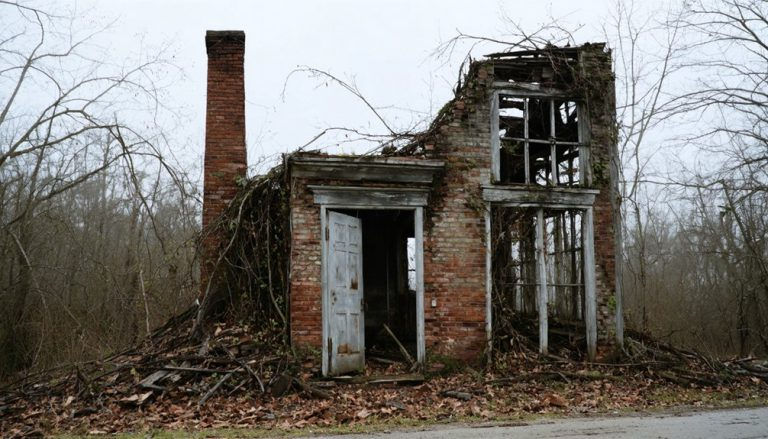
Cahawba, Alabama, holds a unique place in American history as the state’s first permanent capital. Today, it stands as a fascinating ghost town that offers visitors a rare glimpse into the past. Nestled at the confluence of the Alabama and Cahaba Rivers, this site combines natural beauty with rich historical significance. Exploring Cahawba reveals stories of early Alabama politics, antebellum life, and the forces that shaped the South.
The Rise and Fall of Cahawba
Cahawba was founded in 1819 and chosen as Alabama’s first capital for its strategic location. The town was designed with grand ambitions, featuring a grid layout and plans for impressive government buildings. However, Cahawba’s time as the capital was short-lived. Flooding from nearby rivers made the location difficult to maintain, and by 1826, the capital had moved to Tuscaloosa.
After losing its status, Cahawba slowly declined. The town suffered from repeated floods and economic challenges. By the late 19th century, it was largely abandoned. Today, the remnants of Cahawba stand as a testament to the ambitions and struggles of early Alabama settlers.
Exploring Cahawba Today
Visitors to Cahawba can walk among the ruins of old homes, churches, and public buildings. The site is now part of the Old Cahawba Archaeological Park, which preserves the area and offers educational programs. Walking trails wind through the landscape, allowing visitors to imagine the town as it once was.
Highlights include:
The Governor’s Mansion Ruins: Foundations and partial walls remain, hinting at the grandeur planned for the capital.
The Old Cahawba Cemetery: This historic cemetery holds graves dating back to the early 1800s, offering insight into the people who lived and died in the town.
The Archaeological Interpretive Center: Here, visitors can learn about ongoing excavations and the history uncovered at the site.
The park also hosts events such as guided tours and historical reenactments, making it a lively place to connect with Alabama’s past.
Nature and Wildlife at Cahawba
Beyond history, Cahawba is a haven for nature lovers. The area’s location at the meeting point of two rivers creates a rich ecosystem. Birdwatchers can spot species like the swallow-tailed kite and the prothonotary warbler. The rivers themselves support diverse fish populations, making the area popular for fishing.
Seasonal wildflowers bloom across the fields, adding color to the ruins and trails. The mix of history and nature makes Cahawba a peaceful retreat for those seeking both education and relaxation.
Why Cahawba Matters
Cahawba is more than just a ghost town. It tells a story about early Alabama’s hopes, challenges, and transformations. The town’s rise and fall reflect broader themes in Southern history, including settlement patterns, economic shifts, and environmental challenges.
Preserving Cahawba allows current and future generations to connect with this history firsthand. It also highlights the importance of protecting historic sites that might otherwise be forgotten.
For travelers interested in history, nature, or off-the-beaten-path destinations, Cahawba offers a unique experience. It invites visitors to step back in time and explore a place where the past still lingers in the landscape.
Hanton City, Rhode Island
Hanton City, Rhode Island, is a place that many overlook when exploring the state’s rich history and natural beauty. This abandoned settlement, nestled within the forests of Smithfield, offers a unique glimpse into the past and a quiet escape for those who enjoy hiking and exploring off-the-beaten-path locations. If you are curious about forgotten places or want to experience a piece of Rhode Island’s heritage, Hanton City holds several hidden gems waiting to be discovered.

The Story Behind Hanton City
Hanton City is not a city in the traditional sense but rather the ruins of a small 18th-century settlement. It was once home to a handful of families who farmed the land and lived off the forest. Over time, the settlement was abandoned, and nature reclaimed the area. Today, the remains of stone foundations and old walls stand as silent witnesses to the lives once lived there.
The exact reasons for the abandonment are unclear, but historians suggest that economic hardships, changing land use, and migration to more urban areas contributed to its decline. Exploring Hanton City offers a rare chance to connect with Rhode Island’s rural past and imagine the daily lives of early settlers.
How to Find Hanton City
Hanton City is located within Lincoln Woods State Park, near the town of Smithfield. It is not marked by large signs or tourist facilities, which adds to its mysterious charm. To reach the site, visitors typically follow hiking trails that wind through dense woods and rocky terrain.
Here are some tips for visiting:
Wear sturdy hiking shoes as the trails can be uneven and rocky.
Bring a map or GPS device since the area is remote and cell service may be limited.
Visit during daylight hours to safely navigate the trails.
Respect the site by not disturbing the ruins or leaving trash behind.
The hike to Hanton City is moderately challenging but rewarding, with scenic views of the surrounding forest and occasional glimpses of local wildlife.
Exploring the Ruins
Once you arrive at Hanton City, you will notice several stone foundations and walls scattered across a clearing. These ruins are the remains of homes, barns, and other structures that formed the settlement. The craftsmanship of the stonework reflects the resourcefulness of the settlers who used local materials to build their homes.
Walking among the ruins, you can imagine the layout of the community and how families lived close to one another. The site also offers a peaceful atmosphere, perfect for reflection or photography.
Nature and Wildlife Around Hanton City
The area surrounding Hanton City is rich in natural beauty. The forest is home to a variety of trees, including oak, maple, and pine, which provide vibrant colors in the fall. Birdwatchers may spot species such as woodpeckers, owls, and warblers.
In addition to birds, the forest shelters deer, foxes, and small mammals. The quiet environment makes it an excellent spot for nature lovers who want to experience Rhode Island’s wildlife in a serene setting.
Nearby Attractions to Combine with Your Visit
While Hanton City itself is a hidden gem, the surrounding region offers other interesting places to explore:
Lincoln Woods State Park: This park features a large pond, picnic areas, and several hiking trails. It’s a great spot for fishing, swimming, or simply relaxing in nature.
Smithfield Historical Society: Learn more about the area’s history and early settlers through exhibits and archives.
Blackstone River Bikeway: A scenic trail that follows the Blackstone River, perfect for biking or walking.
Combining a visit to Hanton City with these nearby attractions can make for a full day of outdoor adventure and historical discovery.
Tips for Preserving Hanton City
Because Hanton City is an archaeological site, visitors need to help preserve its integrity. Here are some ways to do that:
Stay on marked trails to avoid damaging fragile areas.
Do not remove stones or artifacts from the site.
Avoid climbing on the stone walls to prevent collapse.
Pack out all trash and leave the area as you found it.
By following these guidelines, visitors can help ensure that Hanton City remains a special place for future generations.
Final Thoughts on Visiting Hanton City
Hanton City offers a rare chance to step back in time and explore a forgotten chapter of Rhode Island’s history. Its quiet ruins and natural surroundings provide a unique experience for hikers, history buffs, and nature enthusiasts alike. Whether you are looking for a peaceful hike or a glimpse into early American life, Hanton City is a destination worth discovering.
Sunbury, Georgia
Sunbury, Georgia, may not be the first place that comes to mind when planning a trip, but this small town holds a wealth of history, charm, and natural beauty waiting to be discovered. Nestled along the banks of the Midway River, Sunbury offers visitors a unique blend of coastal scenery, historic sites, and quiet streets that invite exploration. Whether you are a history buff, nature lover, or simply looking for a peaceful getaway, Sunbury has something special to offer.

Discovering Sunbury’s Rich History
Sunbury’s history dates back to the 18th century, when it was a bustling port town. Once a key trading hub in colonial Georgia, the town played an important role in commerce and transportation. Today, remnants of that past remain visible in the well-preserved historic buildings and landmarks.
One of the most notable sites is the Sunbury Historic District, where you can stroll along streets lined with old homes and churches that tell stories of the town’s colonial and antebellum eras. The district offers a glimpse into the architectural styles and community life of early Georgia settlers.
Nearby, the Sunbury Cemetery holds graves dating back to the 1700s, providing a tangible connection to the people who shaped the town. Walking through this quiet resting place offers a reflective experience and a chance to appreciate the town’s deep roots.
Exploring Natural Beauty Along the Midway River
Sunbury’s location on the Midway River makes it a perfect spot for outdoor enthusiasts. The river and surrounding marshlands create a peaceful environment rich with wildlife and scenic views.
Visitors can enjoy kayaking or paddleboarding on the calm waters, taking in the sights of birds, fish, and native plants. The area is especially popular for birdwatching, with species such as herons, egrets, and ospreys commonly spotted.
For those who prefer to stay on land, the nearby Sunbury Wildlife Management Area offers hiking trails and opportunities to observe local flora and fauna. The mix of salt marshes, tidal creeks, and hardwood forests creates a diverse habitat that supports a variety of species.
Local Flavors and Community Spirit
Sunbury’s small size means it doesn’t have a bustling restaurant scene, but the local eateries that do exist offer authentic Southern flavors and a welcoming atmosphere. Family-owned diners and cafes serve up classic dishes like shrimp and grits, fried green tomatoes, and fresh seafood caught from nearby waters.
The town also hosts occasional community events and festivals that celebrate its heritage and culture. These gatherings provide a chance to meet locals, enjoy live music, and sample homemade treats.
Why Sunbury Should Be on Your Travel List
Sunbury offers a rare chance to experience a quiet, historic town where nature and history come together. Its hidden gems provide a break from crowded tourist spots and invite visitors to slow down and appreciate simple pleasures.
Whether wandering through centuries-old streets, paddling along the river, or enjoying a home-cooked meal, Sunbury leaves a lasting impression. It’s a place where the past lives on and the natural world thrives, waiting for curious travelers to explore.
Eastern State Penitentiary, Philadelphia
The Eastern State Penitentiary in Philadelphia, Pennsylvania, stands as one of the most iconic and eerie landmarks in American history. Once a revolutionary prison, it now lies abandoned, its crumbling walls telling stories of punishment and reform, with haunting echoes of the past. This post explores the penitentiary’s history, architecture, and legacy, revealing why it continues to fascinate visitors and historians alike.

The Birth of a New Prison Model
Eastern State Penitentiary opened in 1829 with a bold vision: to reform prisoners through isolation and reflection rather than physical punishment. This idea was revolutionary at the time. The prison’s design reflected this philosophy, featuring a radial layout with cell blocks extending from a central hub. Each inmate was confined to a single cell, where they spent most of their time alone.
This system, known as the “Pennsylvania system,” aimed to encourage penitence and rehabilitation. Prisoners were kept in solitary confinement, with no contact with others, no talking, and limited light. The goal was to make them reflect on their crimes and change their ways.
Architectural Innovation and Design
Eastern State Penitentiary’s architecture was groundbreaking. The prison was designed by John Haviland, who used the Gothic Revival style to create a fortress-like appearance. The imposing stone walls, pointed arches, and tall towers gave the building a cathedral-like feel, symbolizing moral authority and control.
The radial design allowed guards to monitor multiple cell blocks from a central watchtower, improving security and surveillance. Each cell had a skylight, called the “eye of God,” meant to remind prisoners that they were always being watched. The cells were small, about 7 by 12 feet, with a simple bed, a toilet, and a sink.
Life Inside the Walls
Life inside Eastern State Penitentiary was harsh and isolating. Prisoners spent 23 hours a day in their cells, with only one hour allowed for exercise in solitary yards. The silence was strictly enforced, and any communication was severely punished.
Despite the intention to promote reform, the system often led to mental health problems. Many inmates suffered from depression, anxiety, and hallucinations due to the extreme isolation. Some even went insane. The penitentiary’s strict rules and conditions sparked debates about the ethics and effectiveness of solitary confinement.
Decline and Closure
By the early 20th century, the Pennsylvania system fell out of favor. Critics argued that solitary confinement was inhumane and ineffective. Overcrowding and poor conditions worsened, and the prison struggled to maintain order.
Eastern State Penitentiary closed in 1971 after more than 140 years of operation. The building was left abandoned and slowly deteriorating, yet it remained a powerful symbol of prison reform’s history.
The Penitentiary Today
Today, Eastern State Penitentiary operates as a historic site and museum. Visitors can explore the cell blocks, guard towers, and exercise yards, experiencing the eerie atmosphere firsthand. The site offers guided tours, including daytime visits and special nighttime ghost tours that highlight its haunted reputation.
The penitentiary also hosts art installations and events that reflect on justice, punishment, and human rights. Its preservation allows people to learn about the history of incarceration and the impact of prison design on inmates’ lives.
The Haunting of Eastern State Penitentiary
The rest of this post explores the haunting secrets of Eastern State Penitentiary, revealing why it remains a magnet for ghost hunters, history buffs, and curious travelers alike. Opened in 1829, Eastern State Penitentiary was designed to reform prisoners through isolation and reflection. Its radial floor plan, with cellblocks extending from a central hub, was revolutionary at the time. Each inmate lived in a solitary cell with a skylight, intended to inspire penitence and moral reform. This model influenced prison design worldwide.

Despite its noble goals, the penitentiary quickly gained a reputation for harsh conditions. Inmates faced long periods of isolation, strict silence, and minimal human contact. These conditions often led to mental breakdowns and despair, setting the stage for the penitentiary’s dark legacy.
Architecture That Feels Haunted
The prison’s architecture contributes heavily to its haunted reputation. The massive stone walls, crumbling corridors, and rusted iron bars create an atmosphere of desolation. The cells, many still intact, feel frozen in time, with graffiti and personal marks left by prisoners.
Visitors often describe a heavy, oppressive feeling inside the penitentiary. The silence is broken only by the echoes of footsteps and distant sounds that seem to come from nowhere. This eerie ambiance makes it easy to imagine the suffering and unrest that once filled these halls.
Famous Inmates and Their Stories
Eastern State Penitentiary housed some of the most notorious criminals in American history. One of the most famous was Al Capone, the infamous gangster who spent several years in prison during the 1920s. Capone’s cell was reportedly one of the few that had a radio and a small heater, highlighting his influence even behind bars.
Another notable inmate was Willie Sutton, a bank robber known for his clever escapes. Stories say Sutton’s spirit still roams the penitentiary, adding to the tales of ghostly encounters.
These stories add layers to the penitentiary’s haunted reputation, blending history with legend.
Paranormal Activity and Ghost Sightings
Eastern State Penitentiary is considered one of the most haunted places in the United States. Visitors and staff have reported numerous paranormal experiences over the years. Common reports include:
Cold spots in certain cells and hallways
Unexplained noises such as footsteps, whispers, and doors slamming
Shadowy figures are seen moving through the corridors
Feelings of being watched or sudden drops in temperature
Paranormal investigators have conducted numerous studies here, using equipment like EMF detectors and infrared cameras. Some have captured unexplained sounds and images, though skeptics argue these could be natural phenomena.
The Haunted Tours and Events
Today, Eastern State Penitentiary offers guided tours that highlight both its historical importance and its haunted reputation. The daytime tours focus on the prison’s history, architecture, and famous inmates. At night, special haunted tours and events attract thrill-seekers eager to experience the penitentiary’s spooky side.
One popular event is the annual Halloween haunted house, where actors and special effects bring the prison’s dark past to life. Visitors report heightened sensations and eerie encounters during these events, making them a unique way to explore the penitentiary’s secrets.
Why Eastern State Penitentiary Continues to Fascinate
The penitentiary’s blend of history, architecture, and ghost stories creates a powerful draw. It offers a glimpse into a harsh chapter of criminal justice while feeding the human fascination with the supernatural. The stories of suffering, isolation, and unrest resonate deeply, making the penitentiary more than just an old prison.
For many, visiting Eastern State Penitentiary is a chance to connect with the past viscerally. The haunting atmosphere encourages reflection on justice, punishment, and humanity. Visiting during the off-season can offer a quieter, more personal experience, but the haunted events during Halloween are unmatched for atmosphere.
Eastern State Penitentiary remains a powerful reminder of the complexities of justice and the human stories behind prison walls. Its haunting secrets continue to draw visitors who want to experience history and the supernatural in one place. Whether you come for the architecture, the history, or the ghost stories, the penitentiary offers a unique and unforgettable experience.
Visiting Tips and Practical Information
If you plan to visit Eastern State Penitentiary, here are some tips to make the most of your trip:
Book tickets in advance: The site is popular, especially during Halloween and special events.
Take a guided tour: Guides provide detailed history and share stories that bring the prison to life.
Wear comfortable shoes: The site is large, and you will walk a lot.
Visit the gift shop: It offers books, souvenirs, and educational materials about the prison and criminal justice.
Respect the site: Remember, this was a place of suffering and punishment. Photography is allowed, but be mindful of other visitors.
Reflecting on the Past and Future
Eastern State Penitentiary stands as a reminder of how society has grappled with crime and punishment. Its history shows the challenges of balancing justice, reform, and human dignity. The prison’s legacy encourages ongoing conversations about prison conditions and the treatment of inmates.
Exploring this abandoned penitentiary offers more than just a glimpse into the past. It invites us to think critically about the future of incarceration and the importance of humane treatment for all.
Tips for Exploring Ghost Towns Safely and Respectfully
Visiting ghost towns can be exciting, but it’s important to be prepared and respectful:
Research ahead: Know the history, access rules, and safety concerns.
Respect private property: Some ghost towns are on private land.
Stay on trails: Avoid damaging fragile ruins or natural habitats.
Bring essentials: Water, snacks, sunscreen, and a first aid kit.
Travel with a buddy: Some sites are remote, and cell service may be limited.
Leave no trace: Pack out all trash and avoid graffiti or vandalism.
Planning Your Ghost Town Adventure
To get the most out of your visit:
Choose towns that match your interests, whether history, photography, or hiking.
Check seasonal weather conditions; some ghost towns are best visited in spring or fall.
Combine ghost-town visits with nearby attractions such as national parks or historic sites.
Consider guided tours for deeper insights and safer exploration.
You can show your appreciation with a virtual coffee if you have found value in my blog.

Do not forget to subscribe to get my monthly newsletter.
Some of the links found on my website are affiliate links. I earn from qualifying purchases as an Amazon Associate and an Expedia Associate. Through other links, I may also receive a small commission at no extra cost to you. Using them supports me, helps offset the cost of running this website, and ensures I can continue to provide free content and resources.
I truly appreciate the support!


Comments