


Top Must-Do Activities in the Finger Lakes Region, New York

Updated: May 14
CrazyDsAdventures April 2026 Newsletter
Important Note:
I appreciate all the people who have subscribed to my blog, and I would like to inform you that, moving forward, all my monthly newsletters will now be posted as blog posts. This decision was made after careful consideration because the emails sent as a newsletter were read by fewer than 10% of my subscribers. Turning the newsletter into a blog post will create more content for people to view and enjoy, rather than just a select few. If you have any questions, please feel free to contact me. I appreciate your understanding.
The Finger Lakes region in upstate New York offers a unique blend of natural beauty, outdoor adventure, cultural experiences, and culinary delights. Whether you are a nature lover, wine enthusiast, history buff, or someone looking for a relaxing getaway, this area has something to offer. With its long, narrow lakes shaped like fingers, rolling hills, and charming towns, the Finger Lakes provide a perfect backdrop for memorable activities. Here are the top 10 must-do activities that capture the essence of this remarkable region.
Explore Watkins Glen State Park in the Finger Lakes
Watkins Glen State Park offers one of the most stunning natural experiences in New York State. Known for its dramatic gorge and cascading waterfalls, this park draws visitors who want to explore breathtaking scenery and enjoy outdoor activities. Whether you are an avid hiker, a nature lover, or someone seeking a peaceful retreat, Watkins Glen provides a unique opportunity to connect with nature’s beauty.

The Gorge Trail Experience
The heart of Watkins Glen State Park is the Gorge Trail, a 1.5-mile path that winds through a narrow gorge carved by Glen Creek. This trail features 19 waterfalls, each with its own charm and character. Walking along stone steps and bridges, visitors get close to the rushing water and towering cliffs.
Highlights along the trail include:
Rainbow Falls: Named for the rainbows often visible in its mist.
Cavern Cascade: A waterfall that plunges into a deep pool surrounded by rock walls.
Sullivan Falls: One of the tallest waterfalls in the park, offering a spectacular view.
The trail is well-maintained but can be slippery in wet weather, so sturdy shoes are recommended. The path’s design allows visitors to experience the gorge from multiple angles, including behind some waterfalls, creating memorable photo opportunities.
Wildlife and Plant Life
Watkins Glen State Park is home to diverse plant and animal species. The gorge’s microclimate supports ferns, mosses, and wildflowers that thrive in the moist environment. In spring and summer, the park bursts with green foliage and colorful blooms.
Visitors might spot:
Songbirds such as warblers and thrushes.
Small mammals like squirrels and chipmunks.
Various amphibians are near the creek.
The park encourages visitors to observe wildlife quietly and respect their habitats. This approach helps maintain the natural balance and ensures future visitors can enjoy the same rich ecosystem.
Activities Beyond Hiking
While the Gorge Trail is the main attraction, Watkins Glen State Park offers other activities for visitors:
Picnicking: Designated areas with tables and grills provide a perfect spot for a family meal surrounded by nature.
Camping: The park has campsites for tents and trailers, allowing overnight stays under the stars.
Fishing: Glen Creek and nearby Seneca Lake offer fishing opportunities for anglers seeking bass, trout, and other species.
Winter Sports: In colder months, the park transforms into a place for cross-country skiing and snowshoeing.
These options make Watkins Glen a year-round destination for outdoor enthusiasts.
Nearby Attractions
Watkins Glen is located in the Finger Lakes region, known for its scenic beauty and outdoor recreation. After exploring the park, visitors can enjoy:
Seneca Lake: The largest of the Finger Lakes, offering boating, swimming, fishing, and lakeside dining.
Local Wineries: The area is famous for vineyards producing Riesling and other wines.
Watkins Glen International: A race track hosting major motorsport events.
Village of Watkins Glen: Quaint shops, restaurants, and cultural sites provide a charming small-town atmosphere.
Visit Finger Lakes Wineries and Vineyards
The Finger Lakes region in New York has earned a reputation as one of the top wine destinations in the United States. With its unique climate, glacial lakes, and fertile soil, this area produces some of the finest wines, especially Rieslings and other cool-climate varieties. Whether you are a seasoned wine enthusiast or a casual traveler looking for a scenic getaway, the Finger Lakes offers a rich selection of wineries and vineyards that promise memorable experiences, and there are 108 of them to choose from. This guide highlights some of the best spots to visit and what makes them stand out.

Why the Finger Lakes Region is Ideal for Wine Lovers
The Finger Lakes region benefits from deep, narrow lakes that moderate the climate, protecting vines from extreme temperatures. This environment creates ideal conditions for growing grapes that thrive in cooler weather, such as Riesling, Gewürztraminer, and Cabernet Franc. The soil varies from shale to clay, adding complexity to the wines produced here.
Visitors to the region enjoy not only the wine but also the stunning landscapes, charming small towns, and farm-to-table dining options. Many wineries offer tours, tastings, and events that make the visit both educational and fun.
Top Finger Lakes Wineries to Include on Your Trip
Dr. Konstantin Frank Winery
Located on the eastern shore of Keuka Lake, Dr. Konstantin Frank Winery is a pioneer in the Finger Lakes wine scene. Known for introducing European vinifera grapes to the region, this winery produces award-winning Rieslings and other varietals. The tasting room offers panoramic views of the lake, making it a perfect spot to savor a glass while enjoying the scenery. This winery is rated number one in the Finger Lakes and has won the most awards. They are listed in the top 10 for wine tours and wine tastings.
Hermann J. Wiemer Vineyard
Hermann J. Wiemer Vineyard on Seneca Lake is famous for its commitment to quality and sustainable practices. Their Rieslings consistently receive high praise for their balance and elegance. The vineyard also produces excellent Pinot Noir and Chardonnay. Visitors can take guided tours to learn about the winemaking process and the vineyard’s history.

Fox Run Vineyards
Situated on Seneca Lake, Fox Run Vineyards combines beautiful grounds with a wide range of wines. Their Rieslings are particularly popular, but they also offer dry reds and sparkling wines. The tasting room features a cozy atmosphere and knowledgeable staff who help guests find wines that suit their tastes.
Ravines Wine Cellars
Ravines Wine Cellars focuses on producing dry, balanced wines that reflect the terroir of the Finger Lakes. Their vineyards are located on steep slopes overlooking Keuka and Seneca Lakes, which contributes to the unique character of their wines. The winery offers tastings and tours, including a chance to explore their barrel room.
Red Newt Cellars
Red Newt Cellars on Seneca Lake is known for its innovative approach and diverse wine portfolio. They produce everything from Riesling to Cabernet Franc, with a focus on quality and expression of the local terroir. The winery also features a farm-to-table restaurant, perfect for pairing wines with fresh, seasonal dishes.
Tips for Planning Your Finger Lakes Wine Adventure
Choose a base town: Consider staying in towns like Geneva, Watkins Glen, or Hammondsport. These offer easy access to multiple wineries and have charming accommodations and dining options.
Plan your route: The Finger Lakes have over 100 wineries. Narrow your list based on the lakes you want to explore—Seneca, Cayuga, and Keuka Lakes each have distinct wine trails.
Book tastings in advance: Some wineries require reservations, especially on weekends and during peak seasons.
Consider transportation: Hiring a driver or joining a wine tour can enhance your experience by allowing you to enjoy tastings without worrying about driving.
Explore beyond wine: Many wineries host events like live music, food pairings, and festivals. Check their calendars to catch something special.
What to Expect at Finger Lakes Wineries
Most wineries in the Finger Lakes offer a welcoming and relaxed atmosphere. You can expect:
Tastings of multiple wines: Usually 5 to 8 samples per visit, often including whites, reds, and sometimes dessert wines.
Educational insights: Staff often share stories about the vineyard, grape varieties, and winemaking techniques.
Scenic views: Many tasting rooms overlook lakes or vineyards, providing a peaceful backdrop.
Local food pairings: Some wineries have on-site restaurants or picnic areas where you can enjoy local cheeses, charcuterie, and other treats.
Unique Experiences at Finger Lakes Vineyards
Some wineries offer experiences beyond the typical tasting:
Barrel tastings: Sample wines still aging in barrels to understand how flavors develop.
Harvest participation: Join in grape picking during the fall harvest season.
Wine blending workshops: Create your own blend under expert guidance.
Seasonal events: From grape stomps to holiday markets, these add fun to your visit.
Seneca Lake Wine Trail
The Seneca Lake Wine Trail offers more than just stunning views and excellent wines. Nestled in the heart of New York’s Finger Lakes region, this trail is a treasure trove of unique wineries, charming small towns, and rich history. For wine lovers and travelers seeking an authentic experience, the Seneca Lake Wine Trail reveals hidden gems that go beyond the typical tasting room visit.

Discovering Unique Wineries Off the Beaten Path
While some wineries on the Seneca Lake Wine Trail are well-known, several smaller, family-owned vineyards provide a more intimate and personal experience. These hidden gems often focus on quality over quantity, crafting wines that reflect the local terroir with care.
Hermann J. Wiemer Vineyard: Known for its Rieslings, this winery combines traditional German techniques with Finger Lakes terroir. The vineyard’s commitment to sustainable practices makes it a standout.
Claudia’s Vineyard: A boutique winery with limited production, Claudia’s offers a cozy tasting room and handcrafted wines that highlight the region’s diversity.
Atwater Vineyards: This winery balances modern winemaking with a welcoming atmosphere. Their sparkling wines and dry whites are particularly noteworthy.
Visiting these smaller wineries allows for deeper conversations with winemakers and a chance to learn about the craft behind each bottle.
Exploring the Scenic Towns Along the Trail
The towns surrounding Seneca Lake add character and charm to the wine trail experience. Each town offers unique attractions, local eateries, and cultural spots that complement a day of wine tasting.
Geneva: Located at the northern tip of Seneca Lake, Geneva features historic architecture, boutique shops, and waterfront parks. It’s a great place to start or end your wine trail journey.
Watkins Glen: Famous for its state park and racing track, Watkins Glen also hosts several wineries nearby. The town’s vibrant dining scene pairs well with local wines.
Hector: A quieter, rural town with scenic views and farm-to-table restaurants. Hector’s wineries often focus on organic and biodynamic farming.
Taking time to explore these towns adds depth to the trip, offering a blend of nature, culture, and culinary delights.
Seasonal Events and Festivals to Experience
The Seneca Lake Wine Trail hosts several events throughout the year that showcase the region’s wines and community spirit. These gatherings provide opportunities to taste rare vintages, meet winemakers, and enjoy live music.
Seneca Lake Wine Trail Passport Weekend: This event encourages visitors to explore multiple wineries with special tastings and discounts.
Harvest Festivals: Celebrated in the fall, these festivals highlight the grape harvest with food, music, and family-friendly activities.
Winter Wine Weekend: A chance to enjoy the trail’s cozy atmosphere with seasonal wines and warm hospitality.
Planning your visit around these events can enhance the experience and introduce you to new favorites.

The Natural Beauty Surrounding Seneca Lake
Beyond the wineries and towns, the natural landscape around Seneca Lake is a major draw. The lake itself is the largest of the Finger Lakes, providing a stunning backdrop for wine tasting.
Hiking Trails: Nearby state parks offer trails with lake and vineyard views.
Boat Tours: Seeing the wineries from the water offers a fresh perspective and a relaxing break.
Scenic Drives: The roads around Seneca Lake wind through rolling hills and farmland, perfect for a leisurely drive between stops.
This connection to nature adds a peaceful element to the wine trail experience.
Cayuga Lake Wine Trail
The Cayuga Lake Wine Trail offers a unique experience for wine lovers seeking a blend of scenic beauty and exceptional wines. Nestled in the Finger Lakes region of New York, this trail features wineries showcasing the area’s rich viticultural heritage. Whether you are a seasoned wine enthusiast or a casual taster, the Cayuga Lake Wine Trail promises a memorable journey through vineyards, tasting rooms, and stunning lake views.

Discovering the Charm of Cayuga Lake
Cayuga Lake is the longest of the Finger Lakes, stretching over 38 miles. Its deep waters and surrounding hills create an ideal microclimate for growing grapes. The lake’s moderating effect on temperature helps produce wines with balanced acidity and complex flavors. Visitors to the wine trail enjoy not only the wines but also the picturesque landscapes, charming small towns, and local culinary delights.
The trail includes a variety of wineries, each with its own style and specialties. From crisp Rieslings to bold Cabernet Francs, the diversity of wines reflects the region’s versatility. Many wineries also offer tours, food pairings, and events that enhance the tasting experience.
Top Wineries to Visit on the Trail
1. Sheldrake Point Winery
Located on the eastern shore of Cayuga Lake, Sheldrake Point Winery is known for its welcoming atmosphere and stunning lake views. The winery produces a range of wines, including dry whites and reds, as well as some unique blends. Their Riesling and Gewürztraminer are particularly popular for their aromatic qualities and refreshing finish.
Visitors can enjoy tastings on the outdoor patio overlooking the lake, making it a perfect spot for relaxation. Sheldrake Point also hosts seasonal events like live music and food truck gatherings, adding to the vibrant local culture.
2. Thirsty Owl Wine Company
Thirsty Owl Wine Company stands out for its commitment to sustainable farming and innovative winemaking techniques. The winery offers a diverse portfolio, including Chardonnay, Pinot Noir, and a standout Cabernet Franc. Their wines often feature rich fruit flavors balanced by crisp acidity.
The tasting room provides a cozy setting with knowledgeable staff ready to guide visitors through the nuances of each wine. Thirsty Owl also partners with local farms to offer fresh, seasonal food pairings that perfectly complement their wines.
3. Lover’s Leap Vineyards
Perched on a hillside with panoramic views of Cayuga Lake, Lover’s Leap Vineyards combines breathtaking scenery with award-winning wines. The vineyard specializes in cold-hardy grape varieties suited to the Finger Lakes climate, such as Marquette and La Crescent.
Their tasting room is a favorite for those who appreciate both the art and science of winemaking. Lover’s Leap offers educational tours that explain the vineyard’s sustainable practices and the unique challenges of growing grapes in this region.
4. Cayuga Ridge Estate Winery
Cayuga Ridge Estate Winery is a pioneer in the region, known for its bold reds and elegant whites. The winery’s Cabernet Franc and Riesling have received accolades for their depth and balance. The estate also produces a sparkling wine that showcases the versatility of Finger Lakes grapes.
The winery’s tasting room features a rustic yet modern design, creating a comfortable environment for visitors. Cayuga Ridge often hosts wine dinners and special events that highlight local ingredients and culinary creativity.
Tips for Enjoying the Cayuga Lake Wine Trail
Plan your route: The wineries are located along the lake’s eastern and western shores. Mapping out your stops in advance helps maximize your time and ensures you don’t miss any favorites.
Designate a driver: Safety is key. Consider hiring a driver or joining a guided tour to enjoy the tastings without worry.
Try local food: Many wineries offer food pairings or have nearby restaurants featuring Finger Lakes cuisine. Sampling local cheeses, charcuterie, and farm-to-table dishes enhances the wine experience.
Check winery hours: Some wineries have seasonal hours or require reservations, especially on weekends or during events.
Take notes: Bring a notebook or use a wine app to record your impressions. This helps you remember your favorite wines and plan future visits.
What Makes Cayuga Lake Wines Special
The wines from Cayuga Lake stand out because of the region’s unique climate and soil. The lake’s depth helps regulate temperature swings, protecting vines from extreme cold in winter and heat in summer. This results in grapes that ripen slowly, developing complex flavors and balanced acidity.

The Finger Lakes region, including Cayuga Lake, is especially known for its Rieslings. These wines range from dry to sweet and often feature floral and citrus notes. Red wines like Cabernet Franc and Pinot Noir are gaining recognition for their structure and fruit-forward profiles.
Many wineries on the trail focus on sustainable and organic practices, reflecting a commitment to preserving the land and producing high-quality wines. Visitors can often learn about these efforts during tours and tastings.
Planning Your Visit
The best time to visit the Cayuga Lake Wine Trail is from late spring through early fall. This period offers pleasant weather and the chance to see vineyards in full bloom or harvest. Fall brings vibrant foliage, adding to the scenic beauty.
Accommodations range from cozy bed-and-breakfasts to lakeside inns. Staying overnight allows for a relaxed pace and the opportunity to explore nearby attractions, including hiking trails, historic sites, and farmers’ markets.
Keuka Lake Wine Trail
Keuka Lake, one of the Finger Lakes in New York, offers more than just stunning views. It features a remarkable wine trail that invites visitors to explore unique wineries, taste exceptional wines, and enjoy the charm of a less-crowded, authentic wine country experience. For wine lovers and travelers seeking a blend of nature, culture, and flavor, the Keuka Lake Wine Trail reveals hidden gems worth discovering.

Why Choose the Keuka Lake Wine Trail
The Keuka Lake Wine Trail stands out for its intimate atmosphere and diverse wineries. Unlike more commercialized wine regions, this trail offers a personal touch, where winemakers often greet visitors themselves. The trail circles Keuka Lake, providing scenic drives and opportunities to explore small towns along the way.
Visitors can expect:
Varied wine styles from crisp whites to bold reds
Boutique wineries with limited production and unique blends
Beautiful lake views that enhance the tasting experience
Friendly, knowledgeable hosts eager to share their craft
This trail is perfect for those who want to combine wine tasting with outdoor activities like hiking, boating, or simply relaxing by the water.
Top Wineries to Visit on the Trail
Each winery along the Keuka Lake Wine Trail offers something special. Here are a few standout stops:
1. Dr. Konstantin Frank Winery
Known for pioneering vinifera grapes in the Finger Lakes, Dr. Konstantin Frank Winery produces award-winning Rieslings and Gewürztraminers. The winery’s tasting room overlooks the lake, creating a peaceful setting to enjoy their elegant wines.
2. Heron Hill Winery
Heron Hill offers a wide range of wines, including some excellent dry reds and sparkling options. Their tasting room features a cozy atmosphere and often hosts live music events, making it a lively stop on the trail.
3. Keuka Lake Vineyards
This family-owned winery focuses on small-batch production with a strong emphasis on sustainability. Their tasting room is known for friendly service and a relaxed vibe, perfect for newcomers to wine tasting.
4. Fox Run Vineyards
Fox Run combines traditional winemaking with modern techniques. Their estate-grown grapes produce complex wines, especially their Chardonnay and Cabernet Franc. The winery also has a restaurant with lake views, ideal for pairing food and wine.
Tips for Planning Your Visit
To make the most of your trip along the Keuka Lake Wine Trail, consider these practical tips:
Plan your route to maximize your time and avoid backtracking.
Designate a driver or consider local shuttle services to enjoy tastings safely.
Check winery hours, as some may have seasonal schedules or require reservations.
Bring a notebook to jot down your favorite wines and tasting notes.
Pair tastings with local food by visiting nearby restaurants or packing a picnic.
The trail is accessible year-round, but spring through fall offers the best weather and vineyard views.

Beyond Wine: Exploring Keuka Lake
While wine tasting is the main attraction, Keuka Lake offers plenty more to enjoy:
Boat tours and rentals let you experience the lake from the water.
Hiking trails around the lake provide scenic overlooks and nature walks.
Local farmers' markets and shops offer fresh produce and handmade goods.
Historic sites in nearby towns add cultural depth to your visit.
Combining these activities with winery stops creates a well-rounded trip that appeals to a variety of interests.
Supporting Local Wineries and Communities
Visiting the Keuka Lake Wine Trail supports small businesses and local agriculture. Many wineries source grapes from nearby farms and use sustainable practices to protect the environment. By choosing this trail, visitors help preserve the region’s natural beauty and cultural heritage.
Canandaigua Lake Wine Trail
The Canandaigua Lake Wine Trail offers a unique experience for wine lovers seeking a blend of scenic beauty and exceptional wines. Nestled in the Finger Lakes region of New York, this trail features a collection of wineries that showcase the area’s rich viticulture and diverse grape varieties. Whether you are a seasoned wine enthusiast or a casual taster, the Canandaigua Lake Wine Trail provides a perfect day trip or weekend getaway filled with memorable flavors and welcoming atmospheres.

Discovering the Charm of Canandaigua Lake Wine Trail
The trail runs along the shores of Canandaigua Lake, one of the largest Finger Lakes, known for its clear waters and picturesque views. The wineries here benefit from the lake’s moderating climate, which helps produce grapes with balanced acidity and vibrant flavors. This region is especially known for its Rieslings, Chardonnays, and Cabernet Francs, but you will find a wide range of wines to suit different palates.
Visitors can enjoy tasting rooms that range from rustic and cozy to modern and elegant. Many wineries offer tours of their vineyards and production facilities, giving insight into the winemaking process. The trail also encourages visitors to explore local dining options, craft shops, and outdoor activities, making it a well-rounded destination.
Top Wineries to Visit on the Trail
1. Hermann J. Wiemer Vineyard
Located on the western side of Canandaigua Lake, Hermann J. Wiemer Vineyard is a pioneer in Finger Lakes winemaking. Known for its dry Rieslings, this winery combines traditional European techniques with local expertise. The tasting room offers a serene setting with vineyard views, and the staff provides detailed explanations of each wine’s characteristics.
Signature wines: Dry Riesling, Gewürztraminer, Pinot Noir
Highlights: Sustainable farming practices, award-winning wines
Visitor tip: Try their Riesling paired with local cheeses for a perfect match
2. Buttonwood Grove Winery
Buttonwood Grove Winery stands out for its welcoming atmosphere and diverse wine selection. The winery produces both classic Finger Lakes varieties and some unique blends. Their tasting room often features live music and food pairings, creating a lively environment for visitors.
Signature wines: Cabernet Franc, Merlot, Chardonnay
Highlights: Friendly staff, seasonal events, picnic areas
Visitor tip: Check their event calendar for special tasting sessions or festivals
3. Red Newt Cellars
Red Newt Cellars offers a modern approach to winemaking with a focus on quality and innovation. Their tasting room overlooks the vineyards and the lake, providing a stunning backdrop for sampling wines. Red Newt is also known for its culinary offerings, including a farm-to-table restaurant that complements their wines.
Signature wines: Riesling, Cabernet Franc, Pinot Noir Rosé
Highlights: On-site restaurant, vineyard tours, wine club membership
Visitor tip: Reserve a table at the restaurant to enjoy a full wine and food pairing experience
4. Heron Hill Winery
Heron Hill Winery combines history and quality, with vineyards dating back to the 1970s. The winery produces a broad range of wines, from dry to sweet, catering to different tastes. Their tasting room features a rustic charm and knowledgeable staff who guide visitors through the tasting experience.
Signature wines: Dry Riesling, Vidal Blanc, Merlot
Highlights: Historic vineyard, seasonal outdoor seating, educational tours
Visitor tip: Visit during harvest season to see the winemaking process in action

Beyond Wine: Exploring Canandaigua Lake Area
The Canandaigua Lake area offers more than just wineries. Visitors can explore charming downtown Canandaigua with its shops, restaurants, and historic sites. Outdoor enthusiasts can enjoy boating, hiking, and biking around the lake. Combining these activities with wine tasting creates a well-rounded trip that appeals to a variety of interests.
Skaneateles Lake Wine Tour
Skaneateles Lake, one of the Finger Lakes in New York, offers more than just stunning views and crystal-clear waters. It is also home to a growing number of wineries that produce exceptional wines in a picturesque setting. If you are planning a wine tour around this beautiful lake, you are in for a treat. This guide will help you explore some of the best wineries in the area, learn what makes them unique, and make the most of your visit.

Why Choose Skaneateles Lake for a Wine Tour
Skaneateles Lake stands out among the Finger Lakes for its clean water and charming small towns. The region’s cool climate and glacial soil create ideal conditions for growing grapes, especially varieties like Riesling, Chardonnay, and Cabernet Franc. Unlike some busier wine regions, Skaneateles offers a more intimate, relaxed experience, perfect for wine lovers who want to enjoy tastings without the crowds.
The wineries here often combine traditional winemaking techniques with modern innovations, resulting in wines that reflect the local terroir. Beyond wine, many vineyards provide beautiful outdoor spaces, food pairings, and events that make your visit memorable.
Top Wineries to Visit on Skaneateles Lake
1. Skaneateles Winery
Located just a short drive from the lake, Skaneateles Winery is a family-owned establishment known for its handcrafted wines. Their tasting room offers a cozy atmosphere where you can sample a variety of reds, whites, and rosés. The winery focuses on small-batch production, ensuring quality and attention to detail.
Highlights:
Award-winning Rieslings and Pinot Noirs
Friendly and knowledgeable staff
Seasonal events and live music
2. Lakewood Vineyards
Lakewood Vineyards sits on a gentle slope overlooking the lake, providing breathtaking views alongside excellent wines. They specialize in cold-hardy grape varieties, which thrive in the Finger Lakes climate. Their tasting room features a rustic design that complements the natural surroundings.
Highlights:
Unique blends and single-varietal wines
Outdoor patio with lake views
Wine and cheese pairing options
3. Tully Hill Vineyards
Tully Hill Vineyards is a boutique winery that prides itself on sustainable farming practices. Their wines are crafted with care, focusing on expressing the character of the local soil and climate. The vineyard offers guided tours that explain the winemaking process from vine to bottle.
Highlights:
Organic and biodynamic practices
Educational tours and tastings
Small group experiences for personalized attention

Tips for Planning Your Skaneateles Lake Wine Tour
To get the most out of your wine tour, consider these practical tips:
Start early: Wineries often open mid-morning, so starting early lets you visit more locations without rushing.
Design a route: Map out the wineries you want to visit to minimize driving time and maximize tasting time.
Book tastings in advance: Some wineries require reservations, especially on weekends or during events.
Designate a driver: If you’re traveling with a group, plan for a designated driver or consider hiring a local driver or shuttle service.
Bring a notebook: Jot down your favorite wines and tasting notes to remember what you liked.
Enjoy local food: Many wineries offer food pairings or nearby restaurants showcasing local cuisine.
What to Expect During Your Visit
When you arrive at each winery, you can expect a warm welcome and a chance to learn about the vineyard’s history and winemaking philosophy. Tastings typically include a flight of several wines, allowing you to compare different styles and grape varieties. Don’t hesitate to ask questions about the wine’s origin, production methods, or food pairing suggestions.
Many wineries also sell bottles on-site so that you can take home your favorites. Some offer memberships or wine clubs that provide regular shipments and exclusive access to new releases.
Beyond Wine: Exploring Skaneateles Lake
While the wineries are the main attraction, the area around Skaneateles Lake has plenty to offer. The charming village of Skaneateles features boutique shops, art galleries, and waterfront dining. You can also enjoy outdoor activities like hiking, boating, or simply relaxing by the lake.
Combining a wine tour with these experiences creates a well-rounded trip that appeals to all your senses.
Final Thoughts on Visiting Finger Lakes Wineries
I cannot stress this enough. PLEASE DO NOT DRINK AND DRIVE. Here are some highly recommended tours that you can take, so you will not have to worry about drinking and driving.
The Finger Lakes region offers a rich mix of quality wines, beautiful landscapes, and engaging experiences. Whether you want to explore historic vineyards, taste award-winning Rieslings, or relax by a lake with a glass of wine, this area has something for every traveler. Start planning your trip with a few key wineries and leave room to discover hidden gems along the way. Your next wine adventure awaits in the Finger Lakes.
Buttermilk Falls State Park
Nestled in the heart of New York State, Buttermilk Falls offers a refreshing escape for those who crave the tranquility of nature. This lesser-known spot combines stunning waterfalls, lush greenery, and peaceful trails that invite visitors to slow down and soak in the natural world. Whether you are an avid hiker, a photographer, or simply someone looking to unwind outdoors, Buttermilk Falls provides an ideal setting to connect with nature’s charm.

Discovering Buttermilk Falls
Buttermilk Falls is located near Ithaca, in the Finger Lakes region of New York. Unlike some of the more crowded tourist destinations, this area remains relatively quiet, making it perfect for visitors who want to avoid large crowds. The falls themselves cascade over a series of rock ledges, creating a picturesque scene that changes with the seasons. In spring and early summer, the water flows vigorously, while autumn brings vibrant foliage that frames the falls beautifully.
The park surrounding Buttermilk Falls covers several hundred acres, offering a variety of trails that range from easy walks to more challenging hikes. These paths wind through forests, alongside streams, and up to scenic overlooks. Along the way, visitors can spot native plants, birds, and sometimes even small wildlife, adding to the immersive experience.
What to Expect When Visiting
When planning a trip to Buttermilk Falls, it helps to know what to expect so you can make the most of your visit. The park is open year-round, but the best time to visit depends on your interests:
Spring and Summer: Water levels are high, making the falls more dramatic. The trails are lush and green, perfect for hiking and picnicking.
Fall: The changing leaves create a colorful backdrop, ideal for photography and peaceful walks.
Winter: Snow and ice transform the falls into a frozen wonderland, though some trails may be slippery or closed.
Visitors should wear sturdy shoes, especially if they plan to explore the trails. Bringing water, snacks, and a camera is also recommended. The park has picnic areas where you can relax and enjoy the surroundings.
Hiking Trails and Outdoor Activities
Buttermilk Falls offers several trails that cater to different skill levels and interests. Here are some popular options:
The Gorge Trail: This trail follows the creek and passes by the main waterfall. It features wooden bridges and stone steps, making it accessible for most visitors. The trail is about 1.5 miles round trip.
The Rim Trail: For those seeking a longer hike, it offers elevated views of the gorge and surrounding forest. It connects with other trails in the park and stretches several miles.
The Lake Loop: This easy trail circles a small lake near the park entrance, perfect for families or those wanting a gentle walk.
Besides hiking, visitors can enjoy birdwatching, photography, and picnicking. The park’s natural setting provides a peaceful atmosphere for meditation or reading.
Tips for a Great Visit
To ensure a pleasant experience at Buttermilk Falls, consider these practical tips:
Arrive early on weekends to find parking easily and enjoy quieter trails.
Check the weather forecast before your trip, as rain can make trails slippery.
Respect the environment by staying on marked paths and carrying out any trash.
Bring insect repellent during warmer months to avoid bites.
Wear layers since temperatures can vary, especially near the water.
Local visitor centers and websites provide up-to-date information on trail conditions and park alerts.
Nearby Attractions to Explore
Buttermilk Falls is part of a larger network of natural attractions in the Finger Lakes region. After exploring the falls, consider visiting:
Taughannock Falls State Park: Home to one of the tallest waterfalls east of the Rocky Mountains.
Cayuga Lake: Offers boating, fishing, and lakeside dining.
Ithaca Commons: A vibrant downtown area with shops, cafes, and cultural events.
These spots complement a visit to Buttermilk Falls and give a fuller experience of the region’s natural beauty and local culture.
Why Buttermilk Falls Stands Out
What makes Buttermilk Falls special is its combination of accessibility and untouched charm. Unlike more commercialized parks, it retains a quiet, natural feel that invites visitors to slow down and appreciate the environment. The variety of trails means it suits a wide range of outdoor enthusiasts, from casual walkers to serious hikers.
The falls themselves are a highlight, with water tumbling over layered rock formations, creating a soothing soundscape. This setting encourages mindfulness and offers a break from the noise of daily life.
The Town of Skaneateles
Nestled on the northern tip of one of the Finger Lakes, Skaneateles, New York, offers more than just stunning lake views. This charming town blends natural beauty, rich history, and a welcoming community, making it a destination worth exploring beyond the usual tourist spots. Whether you are a local looking for new adventures or a visitor seeking authentic experiences, Skaneateles holds many surprises waiting to be uncovered.

A Walk Through Skaneateles Village
The heart of the town is its quaint village, where tree-lined streets and historic buildings create a peaceful atmosphere. Strolling through the village, you’ll find unique shops, cozy cafes, and art galleries that showcase local talent. The village’s architecture reflects its 19th-century roots, with well-preserved homes and storefronts that tell stories of the past.
One standout is the Skaneateles Historical Society Museum, which offers insights into the town’s development and the lives of its early residents. It’s a small but rich collection that helps visitors connect with the area’s heritage.
Exploring Skaneateles Lake
Skaneateles Lake is one of the cleanest lakes in the United States, known for its clear waters and scenic surroundings. While many come for boating and fishing, the lake’s shoreline has hidden spots perfect for quiet reflection or a picnic away from crowds.
For those who enjoy hiking, the nearby trails provide stunning views of the lake and surrounding hills. The Skaneateles Creek Trail is a favorite among locals, offering a peaceful walk along the water with opportunities to spot native birds and wildlife.
Local Eateries with a Twist
Skaneateles offers a surprising variety of dining options that go beyond the typical lakeside fare. Small, family-owned restaurants serve dishes made from locally sourced ingredients, reflecting the region’s agricultural heritage.
One gem is a farm-to-table bistro that changes its menu seasonally, ensuring fresh and flavorful meals. Another is a bakery known for its artisan breads and pastries, perfect for a morning treat or a casual lunch.
Dickens Christmas in Skaneateles
The holiday season brings a special kind of charm to small towns across America, but few places capture the spirit quite like Skaneateles, New York. Each year, this picturesque village transforms into a scene straight out of a Charles Dickens novel. The Dickens Christmas celebration in Skaneateles offers visitors a chance to step back in time and experience the warmth, joy, and traditions of a Victorian holiday. This event has become a beloved tradition for locals and visitors alike, drawing crowds eager to enjoy the festive atmosphere and unique activities.

A Step Back in Time: The Dickens Christmas Experience
Skaneateles embraces the Victorian era with open arms during the Dickens Christmas event. The entire village is decorated with period-appropriate wreaths, garlands, and gas lamps, creating an authentic 19th-century ambiance. Streets are lined with vendors dressed in traditional costumes, offering handmade crafts, seasonal treats, and gifts that reflect the spirit of the season.
Visitors can expect to see:
Street performers, including carolers, magicians, and actors portraying characters from Dickens’ stories.
Horse-drawn carriage rides provide a scenic tour of the village’s historic district.
Traditional food stalls serving hot cider, roasted chestnuts, and other Victorian-era delicacies.
The event is designed to engage all the senses, from the smell of pine and cinnamon in the air to the sound of live music echoing through the streets.
Activities for All Ages
One of the reasons Dickens Christmas in Skaneateles is so popular is its wide appeal. Families, couples, and solo travelers find plenty to enjoy. Children can participate in craft workshops where they make ornaments or holiday cards, while adults might explore the antique shops and galleries that stay open late during the event.
Highlights include:
Storytelling sessions featuring classic Dickens tales are perfect for sparking imagination and holiday cheer.
Visits with Santa Claus in a cozy, Victorian-style setting.
Live theater performances that bring scenes from A Christmas Carol to life.
These activities create a festive environment that encourages visitors to slow down and savor the holiday season.
Local Businesses and Community Spirit
The success of Dickens Christmas in Skaneateles depends heavily on the involvement of local businesses and volunteers. Shops and restaurants decorate their storefronts to match the Victorian theme, offering special menus and holiday discounts. This collaboration strengthens the community and supports the local economy during the winter months.
For example, several bakeries feature traditional English Christmas treats like mince pies and plum pudding, while bookstores highlight classic literature and holiday-themed books. The event also encourages visitors to shop locally, making it a win-win for everyone involved.
Planning Your Visit
If you’re considering attending Dickens Christmas in Skaneateles, planning will help you make the most of your experience. The event typically takes place over a weekend in early December, so booking accommodations early is recommended. Skaneateles offers a range of lodging options, from charming bed-and-breakfasts to boutique hotels.
Tips for visitors:
Dress warmly and in layers, as many activities take place outdoors.
Bring comfortable walking shoes to explore the village’s cobblestone streets.
Check the event schedule online for special performances and workshops.
Arrive early to avoid crowds and enjoy a stroll through the decorated village.
Public parking is available, but carpooling or using local shuttle services can make your visit more convenient.
The Unique Charm of Skaneateles
Skaneateles itself adds to the magic of the Dickens Christmas celebration. Known for its stunning lake views and well-preserved historic architecture, the village provides a perfect backdrop for a Victorian holiday. The community’s dedication to preserving its heritage shines through during the event, making it feel like a genuine step back in time.
Visitors often comment on the friendly atmosphere and the attention to detail in every aspect of the celebration. From the carefully chosen decorations to the period music and costumes, everything contributes to an immersive experience that feels both festive and authentic.
Why Dickens Christmas Stands Out
Many towns host holiday events, but Dickens Christmas in Skaneateles stands out for its commitment to authenticity and community involvement. The event goes beyond simple decorations and sales; it creates a living history experience that educates and entertains.
The focus on Charles Dickens’ works connects visitors to the origins of many Christmas traditions, reminding us of the holiday’s deeper meanings of generosity, kindness, and family. This connection makes the event more meaningful and memorable.
Final Thoughts on Visiting Dickens Christmas in Skaneateles
If you want to experience a holiday celebration that combines history, community, and festive fun, Dickens Christmas in Skaneateles is a destination worth considering. The event offers a unique chance to enjoy the season in a setting that feels both magical and welcoming.
Outdoor Activities Beyond the Lake
While the lake is a major attraction, Skaneateles offers other outdoor activities that reveal its natural beauty. The nearby Green Lakes State Park features two glacial lakes with striking turquoise waters, hiking trails, and picnic areas. It’s a perfect spot for families and nature enthusiasts.
For those interested in winter sports, the area transforms into a haven for cross-country skiing and snowshoeing, offering a different way to enjoy the landscape during the colder months.
Discovering Local Art and Craftsmanship
Skaneateles has a vibrant arts scene that often goes unnoticed. Local artists and artisans display their work in galleries and studios throughout the town. Visitors can find handmade pottery, paintings, jewelry, and textiles that reflect the region’s character.
Workshops and art classes are available for those who want to try their hand at creating something unique. These experiences offer a deeper connection to the community and its creative spirit.
Staying in Skaneateles
Accommodations in Skaneateles range from charming bed-and-breakfasts to boutique inns. Many places emphasize comfort and personalized service, making guests feel at home. Staying overnight allows visitors to experience the town’s peaceful evenings and early mornings, times when the village reveals a quieter, more intimate side.
Discover the Corning Museum of Glass
Glass has shaped human creativity and technology for thousands of years. Few places capture this rich history and artistry better than the Corning Museum of Glass. Located in Corning, New York, this museum offers visitors a unique chance to explore glass art, science, and history all under one roof. Whether you are an art lover, a history buff, or simply curious, the Corning Museum of Glass provides an unforgettable experience.

The Museum’s Unique Collection
The Corning Museum of Glass holds one of the most comprehensive collections of glass art in the world. It spans over 3,500 years of glassmaking history, showcasing pieces from ancient civilizations to contemporary artists. Visitors can see delicate Roman glassware, intricate Venetian glass, and bold modern sculptures.
Some highlights include:
Ancient Glass Artifacts: These pieces reveal early glassmaking techniques and the cultural significance of glass in ancient societies.
Venetian Glass: Known for its elegance and craftsmanship, Venetian glass showcases mastery of color and form.
Contemporary Glass Art: The museum features works by living artists who push the boundaries of glass as a medium, using it to express new ideas and emotions.
This variety allows visitors to appreciate how glass has evolved and how artists continue to innovate with this versatile material.
Live Glassmaking Demonstrations
One of the most engaging features of the Corning Museum of Glass is its live glassblowing demonstrations. Skilled artisans work in front of visitors, shaping molten glass into beautiful objects. Watching the process reveals the skill, precision, and creativity involved in glassmaking.
Visitors can learn about:
The tools used in glassblowing
The temperatures required to shape glass
Techniques such as blowing, molding, and sculpting
These demonstrations make the art form accessible and exciting, turning abstract concepts into tangible experiences.
Educational Programs and Workshops
The museum offers a range of educational programs designed for all ages and skill levels. From school field trips to adult workshops, there are opportunities to deepen understanding and hands-on experience.
Programs include:
Family Workshops: Activities where children and parents create simple glass projects together.
Artist Residencies: Opportunities to see professional artists at work and learn about their creative process.
Special Exhibitions: Themed shows that focus on particular aspects of glass art or history, often accompanied by lectures and tours.
These programs help visitors connect with glass art on a personal level and inspire creativity.
The Rakow Research Library
For those interested in the history and science of glass, the Rakow Research Library is a treasure trove. It contains over 30,000 books, manuscripts, and archives related to glassmaking. Scholars and enthusiasts can explore rare documents and gain insights into the technical and cultural aspects of Glass.
The library supports research that enriches the museum’s exhibitions and educational efforts, making it a vital resource for the glass community worldwide.
Planning Your Visit
The Corning Museum of Glass is open year-round, with hours varying by season. It is accessible by car and public transportation, with ample parking available. Tickets can be purchased online or at the museum entrance.
Tips for visitors:
Allocate at least half a day to explore the museum and fully watch the demonstrations.
Check the schedule for live glassblowing times to plan your visit accordingly.
Consider joining a guided tour for deeper insights into the collection.
Visit the museum shop for unique glass art pieces and souvenirs.
The museum also features a café where visitors can relax and reflect on the stunning works they have seen.
Why the Corning Museum of Glass Matters
This museum does more than display beautiful objects. It preserves an important part of human culture, and technology has played a crucial role in art, science, and daily life. By showcasing its history and contemporary uses, the Corning Museum of Glass connects visitors to a material that is both ancient and modern.
The museum also supports artists and researchers, helping to keep the craft alive and evolving. It invites everyone to appreciate the skill and imagination behind glass art.
Hike the Finger Lakes Trail
The Finger Lakes Trail offers some of the most rewarding hiking experiences in New York State. Stretching over 580 miles, this trail winds through forests, gorges, and rolling hills, showcasing the natural beauty of the Finger Lakes region. Whether you are a seasoned hiker or a beginner, preparing well can make your journey safer and more enjoyable. Here are essential tips to help you make the most of your hike on the Finger Lakes Trail.

Plan Your Route Carefully
The Finger Lakes Trail is extensive, so deciding which section to hike is the first step. Some parts are more challenging, while others are suitable for casual day hikes.
Research trail segments: The trail passes through various state parks and forests. Popular sections include the area around Watkins Glen State Park, known for its waterfalls, and the stretch near Taughannock Falls.
Consider your fitness level: Some parts have steep climbs and rocky terrain. Choose a segment that matches your experience and stamina.
Check trail maps and guides: Official maps are available online and at visitor centers. They provide details on trail length, elevation changes, and points of interest.
Plan your timing: The trail is open year-round, but spring and fall offer the best weather and scenery. Summer can be hot and buggy, while winter requires special gear.
Pack Smart and Light
Carrying the right gear can make your hike comfortable and safe. Avoid overpacking to keep your load manageable.
Footwear: Wear sturdy hiking boots with good ankle support and traction. The trail can be slippery in wet areas.
Clothing: Dress in layers to adjust to changing temperatures. Moisture-wicking fabrics help keep you dry.
Navigation tools: Bring a map, compass, or GPS device. Cell service is spotty in some areas.
Water and food: Carry at least two liters of water per person. Pack energy-rich snacks like nuts, dried fruit, or granola bars.
Safety items: Include a first-aid kit, whistle, and flashlight or headlamp.
Weather protection: A rain jacket and sun protection (hat, sunscreen) are essential.
Know the Trail Conditions
Trail conditions can vary depending on the season and recent weather.
Check for trail updates: Visit the Finger Lakes Trail Conference website or local park offices for current trail status and closures.
Be prepared for mud and slippery rocks: Spring rains can make some sections challenging.
Watch for wildlife: The area is home to deer, foxes, and occasionally black bears. Keep a safe distance and store food securely.
Respect private property: Parts of the trail cross private lands. Stay on marked paths and follow posted rules.
Practice Leave No Trace Principles
Preserving the natural beauty of the Finger Lakes Trail is important for future hikers.
Pack out all trash: Carry a small bag for your waste and any litter you find.
Stay on the trail: Avoid creating new paths that can damage vegetation.
Camp responsibly: Use designated campsites if you plan to stay overnight.
Minimize campfire impact: Use a camp stove instead of open fires when possible.
Take Advantage of Nearby Attractions
The Finger Lakes region offers more than just hiking. Plan to explore local sights to enrich your trip.
Waterfalls and gorges: Watkins Glen and Taughannock Falls State Parks are must-see spots.
Wine country: The Finger Lakes are famous for vineyards and tasting rooms.
Small towns: Visit charming towns like Ithaca or Hammondsport for dining and local culture.
Lakes and boating: Spend some time on one of the Finger Lakes for kayaking or fishing.
Stay Safe on the Trail
Safety should always be a priority during your hike.
Tell someone your plans: Share your route and expected return time with a friend or family member.
Hike with a buddy: If possible, avoid hiking alone.
Carry identification and emergency contacts in a waterproof bag.
Know your limits: Turn back if you feel tired or the weather worsens.
Be cautious near water: Slippery rocks near waterfalls and streams can cause falls.
Enjoy the Experience
Hiking the Finger Lakes Trail is not just about reaching a destination. Take time to appreciate the sights and sounds around you.
Explore Historic Downtown Ithaca
Historic downtown Ithaca, New York, offers a unique blend of rich history, vibrant culture, and stunning natural beauty. Nestled at the southern tip of Cayuga Lake, this small city has a lot to offer visitors and locals alike. From its well-preserved architecture to its lively arts scene and diverse dining options, downtown Ithaca invites exploration and discovery. This post will guide you through the highlights of this charming area, helping you experience its character and appeal firsthand.

A Walk Through History
Downtown Ithaca’s history dates back to the early 19th century, when it began as a small settlement. Many buildings from the 1800s still stand, showcasing architectural styles such as Greek Revival, Italianate, and Victorian. Walking through the streets, you can see these historic structures that tell stories of the city’s past.
One notable landmark is the Ithaca Commons, a pedestrian mall that serves as the heart of downtown. It was developed in the 1970s to preserve the historic feel while creating a welcoming space for community events and shopping. The Commons features brick walkways, benches, and public art, making it a perfect spot to soak in the atmosphere.
Local Shops and Boutiques
Downtown Ithaca is home to a variety of independent shops and boutiques that reflect the city’s creative spirit. Whether you are looking for handmade jewelry, vintage clothing, or unique gifts, you will find something special here.
Gimme! Coffee offers locally roasted coffee in a cozy setting, perfect for a quick break.
The Bookstore Plus is a beloved independent bookstore with a great selection of new and used books.
Handwork features artisan crafts and handmade goods from local artists.
These shops provide a personal shopping experience that big chains cannot match. Supporting them helps keep the downtown area vibrant and diverse.
Dining and Culinary Delights
Food lovers will find plenty to enjoy in downtown Ithaca. The area boasts a wide range of restaurants, cafes, and bars, many of which emphasize fresh, local ingredients.
Moosewood Restaurant is famous for its vegetarian and vegan dishes, using organic produce from nearby farms.
Just a Taste offers small plates and a great wine selection, ideal for sharing with friends.
The Ithaca Ale House serves locally brewed craft beers alongside hearty pub fare.
Farmers’ markets and food festivals also add to the culinary scene, giving visitors a chance to taste seasonal specialties and meet local producers.
Arts and Culture
Ithaca’s downtown is a hub for arts and culture. Galleries, theaters, and music venues provide entertainment and inspiration throughout the year.
The State Theatre of Ithaca hosts concerts, films, and live performances in a beautifully restored historic building.
Cayuga Art Center showcases contemporary art exhibitions and offers workshops.
Street murals and sculptures add color and creativity to public spaces.
Events like the Ithaca Festival and First Friday Art Walk bring the community together and highlight local talent.
Outdoor Spaces and Scenic Views
Despite being a city center, downtown Ithaca offers easy access to nature. The nearby Cayuga Waterfront Trail runs along the lake, providing scenic views and a peaceful place for walking or biking.
Dewitt Park, located near the Commons, is a green oasis with mature trees and benches, perfect for relaxing after exploring the shops and galleries.
For a panoramic view of the city and the lake, visitors can head to Liberty Pole Plaza, a historic site with a monument and open space.
Experience the Local Spirit
What makes historic downtown Ithaca truly special is its community. The people here are passionate about preserving the city’s heritage while embracing new ideas and creativity. Visitors often comment on the friendly atmosphere and the sense of connection they feel.
Whether you are interested in history, food, art, or simply a pleasant place to stroll, downtown Ithaca offers a memorable experience. Take your time to explore its streets, talk to shop owners, and enjoy the blend of old and new that defines this charming city center.
Visit Taughannock Falls State Park
Taughannock Falls State Park offers one of the most striking natural attractions in New York State. Visitors come to witness the impressive waterfall that plunges 215 feet, making it one of the tallest single-drop waterfalls east of the Rocky Mountains. Beyond the falls, the park features rugged gorges, scenic trails, and diverse wildlife, making it a perfect destination for outdoor enthusiasts and nature lovers.

Discovering Taughannock Falls
Taughannock Falls stands out not only for its height but also for its unique geological formation. The waterfall drops over a cliff of Devonian shale and sandstone, creating a breathtaking sight as water crashes into the gorge below. The gorge itself stretches nearly three miles, carved by the Taughannock Creek over thousands of years.
Visitors can view the falls from several vantage points. The main overlook provides a panoramic view of the entire waterfall and the surrounding gorge. For a closer experience, the Gorge Trail leads down to the base of the falls, where you can feel the mist and hear the powerful roar of the water. This trail is about 1.5 miles round trip and offers a moderately challenging hike with stairs and rocky paths.
Hiking Trails and Outdoor Activities
Taughannock Falls State Park features a variety of trails suitable for different skill levels. Besides the Gorge Trail, the Rim Trail runs along the top of the gorge, offering stunning views of the falls and the Cayuga Lake valley. This trail is less strenuous and perfect for those who want a leisurely walk with plenty of photo opportunities.
Other trails include the North Rim Trail and the South Rim Trail, which provide longer hikes through forested areas and along the cliffs. These trails are great for birdwatching and spotting local wildlife, including deer, foxes, and various bird species.
The park also has picnic areas, a playground, and a campground for visitors who want to extend their stay. Fishing is allowed in designated areas, and the nearby Cayuga Lake offers opportunities for boating and swimming during warmer months.
Seasonal Highlights and Best Times to Visit
Each season brings a different charm to Taughannock Falls State Park. Spring is ideal for seeing wildflowers bloom and enjoying the fresh greenery. Summer attracts families and hikers looking to escape the heat with shaded trails and cool water views.
Fall is especially popular for the vibrant foliage that colors the gorge and surrounding forests. The contrast of red, orange, and yellow leaves against the rocky cliffs creates a spectacular scene. Winter transforms the falls into a frozen wonderland, attracting ice climbers and photographers eager to capture the icy formations.
To avoid crowds, visiting on weekdays or early in the morning is recommended. The park is open year-round, but some facilities may close during the winter months, so checking ahead is wise.
Practical Tips for Visiting
Parking and Entrance: The park has a main parking lot near the visitor center. There is a small entrance fee per vehicle, which helps maintain the park.
What to Bring: Wear sturdy hiking shoes, especially if you plan to explore the Gorge Trail. Bring water, snacks, and weather-appropriate clothing.
Safety: Stay on marked trails and be cautious near the edges of the gorge. The rocks can be slippery, especially after rain.
Accessibility: The main overlook is accessible by car and has paved paths suitable for wheelchairs and strollers.
Nearby Attractions: The park is close to Ithaca and the Finger Lakes region, known for wineries, farms, and other outdoor activities.
Connecting with Nature at Taughannock Falls
Spending time at Taughannock Falls State Park offers a chance to disconnect from daily routines and immerse yourself in nature’s beauty. Whether you enjoy hiking, photography, or simply relaxing by the water, the park provides a peaceful setting to recharge.
The combination of dramatic cliffs, flowing water, and lush forests creates a memorable experience for visitors of all ages. Families can enjoy educational programs and ranger-led walks during the summer, while solo adventurers can find quiet spots to reflect and explore.
The park’s natural features also support a variety of plants and animals, making it a valuable site for conservation and environmental education. Observing the changing seasons here helps deepen appreciation for the natural world.
Harriet Tubman National Historical Park
Harriet Tubman National Historical Park stands as a powerful tribute to one of America’s most courageous figures. It preserves the legacy of Harriet Tubman, a woman who risked everything to lead enslaved people to freedom and fought tirelessly for justice. Visiting this park offers more than a glimpse into history; it provides a chance to connect with the stories of resilience, bravery, and hope that shaped the nation.

The Life and Legacy of Harriet Tubman
Harriet Tubman was born into slavery around 1822 in Maryland. After escaping to freedom herself, she returned multiple times to guide others along the Underground Railroad. Tubman’s work extended beyond escape routes; she served as a nurse, spy, and scout during the Civil War, contributing to the Union’s efforts. Her life story embodies determination and selflessness.
The park preserves several key sites associated with Tubman’s life, including her birthplace, homes, and places where she planned her missions. These locations offer visitors a tangible connection to her story and the broader history of slavery and abolition in the United States.
What You Can See at Harriet Tubman National Historical Park
The park is located in Dorchester County, Maryland, and includes several important landmarks:
Harriet Tubman Home for the Aged: This was Tubman’s residence later in life, where she cared for elderly African Americans. The home reflects her lifelong commitment to helping others.
Brooks Chapel: A historic church where Tubman worshipped and found community support.
The Harriet Tubman Underground Railroad Visitor Center: This center provides interactive exhibits, films, and educational programs about Tubman’s life and the Underground Railroad.
Visitors can take guided tours that explain the significance of each site and share stories about Tubman’s missions. Walking these grounds allows people to imagine the risks she took and the courage required to defy a brutal system.
Educational Opportunities and Community Impact
The park serves as an educational resource for schools, historians, and the public. It offers programs that explore themes of freedom, human rights, and social justice. These programs encourage reflection on the ongoing struggle for equality and inspire visitors to consider their role in creating a fairer society.
Local communities benefit from the park through tourism and cultural events. The park hosts annual celebrations on Harriet Tubman’s birthday and Juneteenth, drawing visitors who want to honor her legacy and learn more about African American history.
Why Visiting Harriet Tubman National Historical Park Matters Today
In a time when conversations about race, history, and justice are more important than ever, Harriet Tubman National Historical Park provides a space for meaningful engagement. It reminds visitors that history is not distant but alive in the places and stories preserved here.
The park encourages visitors to reflect on the power of individual action. Tubman’s life shows how one person’s courage can change many lives. This message resonates with people seeking inspiration to face challenges in their own communities.
Visit the Seneca Falls Women’s Rights National Historical Park
The Seneca Falls Women’s Rights National Historical Park stands as a powerful reminder of the early struggle for women’s equality in the United States. This site marks the location of the first women’s rights convention held in 1848, a pivotal moment that sparked a movement still shaping society today. Visiting the park offers a unique opportunity to connect with the history of women’s rights and understand the courage and determination of those who fought for change.

The Historical Significance of Seneca Falls
Seneca Falls, New York, became the birthplace of the organized women’s rights movement when activists gathered there in July 1848. The convention was organized by Elizabeth Cady Stanton, Lucretia Mott, and others who sought to address the legal and social inequalities women faced. The event produced the Declaration of Sentiments, a document modeled after the Declaration of Independence, which boldly demanded equal rights for women, including the right to vote.
This convention was not just a local event; it was the catalyst for a nationwide movement. The ideas and energy generated at Seneca Falls inspired decades of activism, leading to significant legal reforms and the eventual passage of the 19th Amendment in 1920, which granted women the right to vote.
What You Can See at the Park
The Seneca Falls Women’s Rights National Historical Park preserves several important sites related to the 1848 convention and the broader women’s rights movement. Visitors can explore:
The Wesleyan Chapel: This is the actual building where the first women’s rights convention took place. The chapel has been restored to reflect its 19th-century appearance and includes exhibits about the convention and its leaders.
The Visitor Center: Here, you can find detailed information, artifacts, and interactive displays that tell the story of the women’s rights movement from its beginnings in Seneca Falls to the present day.
Historic Homes: Nearby homes of key figures like Elizabeth Cady Stanton are part of the park’s heritage, offering insight into the personal lives of these activists.
Walking through these sites provides a tangible connection to history, allowing visitors to imagine the conversations and debates that shaped the future of women’s rights.
Educational Programs and Events
The park offers a variety of educational programs designed to engage visitors of all ages. These include guided tours, lectures, and special events that highlight different aspects of the women’s rights movement. For example, the park often hosts anniversary celebrations of the 1848 convention, featuring reenactments and guest speakers.
Schools and community groups frequently visit the park to learn about the history of equality and civil rights. These programs emphasize the ongoing relevance of the issues first raised in Seneca Falls, encouraging new generations to continue the work toward gender equality.
Why Visiting Seneca Falls Matters Today
The story of Seneca Falls is not just about the past; it is a reminder of the ongoing struggle for equal rights. The park encourages reflection on how far society has come and the challenges that remain. It highlights the importance of activism, community, and perseverance in creating social change.
Visiting the park can inspire individuals to think critically about gender equality and civil rights in their own communities. It also honors the legacy of those who dared to speak out and demand justice, showing that change is possible when people come together with a shared vision.
The Continuing Impact of Seneca Falls
The Seneca Falls Women’s Rights National Historical Park serves as a symbol of hope and progress. It reminds us that social change often begins with a small group of committed individuals willing to challenge the status quo. The park preserves the memory of those early activists and their vision for a more just society.
Today, the legacy of Seneca Falls lives on in ongoing efforts to achieve gender equality worldwide. The park stands as a place of learning, inspiration, and reflection, inviting visitors to honor the past and consider their role in shaping the future.
The Women’s Hall of Fame
The Seneca Falls Women’s Hall of Fame honors women who have made significant contributions to society, inspiring generations through their courage, leadership, and dedication. Located in the historic town of Seneca Falls, New York, this Hall of Fame celebrates the achievements of women from various fields, including activism, education, science, and the arts. It stands as a powerful reminder of the progress made and the work still needed to achieve equality.

The Historical Significance of Seneca Falls
Seneca Falls holds a special place in the history of women’s rights in the United States. It was the site of the first women’s rights convention in 1848, where pioneers like Elizabeth Cady Stanton and Lucretia Mott gathered to demand equal rights for women. This event marked the beginning of a nationwide movement that would eventually lead to women gaining the right to vote and greater social freedoms.
The Women’s Hall of Fame in Seneca Falls connects visitors to this rich history by honoring women who have continued the fight for equality and justice. It serves as a bridge between the past and present, showing how the efforts of early activists laid the foundation for today’s achievements.
Honoring Trailblazers Across Fields
The Hall of Fame recognizes women from diverse backgrounds who have broken barriers and made lasting impacts. Some notable inductees include:
Susan B. Anthony: A key figure in the women’s suffrage movement, Anthony’s tireless campaigning helped secure voting rights for women.
Sojourner Truth: An abolitionist and advocate for women’s rights, Truth’s speeches challenged social norms and inspired change.
Maya Angelou: Celebrated poet and civil rights activist, Angelou’s work has influenced literature and social justice movements worldwide.
These women exemplify courage and determination. Their stories encourage visitors to reflect on the power of individual action and the importance of standing up for one’s beliefs.
How the Hall of Fame Inspires Visitors
The Women’s Hall of Fame offers more than just recognition; it provides an educational experience that motivates visitors to learn and engage. Through exhibits, personal stories, and interactive displays, guests gain insight into the challenges women have faced and the victories they have achieved.
Visitors often leave with a deeper understanding of how women’s contributions shape society. The Hall of Fame encourages people to support gender equality and to celebrate the achievements of women in their own communities.
Supporting the Legacy of Women’s Achievements
The Hall of Fame also supports ongoing efforts to promote women’s rights. It hosts events, workshops, and lectures that bring attention to current issues affecting women. These programs create opportunities for dialogue and action, helping to build a more inclusive future.
By visiting or supporting the Seneca Falls Women’s Hall of Fame, individuals help preserve the legacy of women’s achievements and inspire new generations to continue the work.
Planning a Visit to the Seneca Falls Women’s Hall of Fame
For those interested in exploring the Hall of Fame, Seneca Falls offers a welcoming environment rich in history and culture. The site is accessible year-round, with guided tours available to provide detailed information about the exhibits and the women honored.
Nearby attractions include the Women’s Rights National Historical Park and the Wesleyan Chapel, where the 1848 convention took place. Together, these sites offer a comprehensive look at the history and ongoing impact of the women’s rights movement.
It’s a Wonderful Life, Seneca Falls
The classic film It’s a Wonderful Life has touched the hearts of millions since its release in 1946. What many may not realize is that the story’s setting, the fictional town of Bedford Falls, was inspired by a real place: Seneca Falls, New York. This small town holds a special place in American culture, not only for its historical significance but also for its connection to this beloved movie. Exploring Seneca Falls reveals how the film’s legacy continues to influence the town’s identity and charm.
The Real Bedford Falls: Seneca Falls’ Role in Film History
Seneca Falls is often called the birthplace of the women’s rights movement, but it also served as the model for Bedford Falls in It’s a Wonderful Life. The film’s director, Frank Capra, sought a quintessential American small town to represent the warmth and community spirit central to the story. Seneca Falls, with its historic Main Street, classic architecture, and close-knit community, fits the vision perfectly.

The town’s streets and buildings inspired the movie’s set design, capturing the feel of a mid-20th-century American town. Visitors to Seneca Falls can still see landmarks that resemble those in the film, such as the old-fashioned storefronts and the iconic bridge, which plays a key role in the movie’s plot.
How Seneca Falls Celebrates the Film’s Legacy
Seneca Falls embraces its connection to It’s a Wonderful Life through various events and attractions that draw fans from across the country. Each year, the town hosts a festival celebrating the movie, featuring screenings, live performances, and tours of filming locations.
Local businesses often decorate their storefronts with movie-themed decor, creating an immersive experience for visitors. The town’s museum also includes exhibits dedicated to the film’s history and its impact on Seneca Falls. These efforts help keep the spirit of It’s a Wonderful Life alive and introduce new generations to its message of hope and community.
The Impact on Tourism and Local Economy
The association with It’s a Wonderful Life has significantly boosted tourism in Seneca Falls. Fans of the movie come to walk the streets of Bedford Falls’ real-life counterpart, eager to experience the charm and nostalgia that the film evokes. This influx of visitors supports local shops, restaurants, and hotels, providing a steady economic benefit to the town.
Tour guides share stories about the film’s production and how Seneca Falls influenced its setting. This storytelling adds depth to the visitor experience, making the town more than just a backdrop but a character in its own right. The connection to the movie also encourages preservation efforts, ensuring that Seneca Falls maintains its historic look and feel.
Lessons from Bedford Falls for Today’s Communities
It’s a Wonderful Life offers timeless lessons about the value of community, kindness, and resilience. Seneca Falls embodies these ideals, showing how a small town can thrive by supporting its residents and preserving its heritage. The story reminds us that every individual’s life has meaning and that communities grow stronger when people look out for one another.
Seneca Falls’ ongoing celebration of the film’s legacy encourages visitors and locals alike to reflect on these values. The town’s example shows how history and culture can come together to create a sense of belonging and pride.
Planning a Visit to Seneca Falls
For those interested in exploring the legacy of It’s a Wonderful Life, Seneca Falls offers a rich experience. Here are some tips for making the most of your visit:
Take a walking tour of the historic district to see buildings and sites that inspired the film.
Visit the It’s a Wonderful Life Museum to learn about the movie’s production and its ties to the town.
Attend the annual festival if your trip coincides with the event, enjoying themed activities and community celebrations.
Explore local shops and eateries that capture the small-town charm featured in the movie.
Walk across the bridge reminiscent of the one in the film, a spot that holds special significance for fans.
These activities provide a meaningful way to connect with the story and the town’s unique character.
The Enduring Appeal of It’s a Wonderful Life
The film’s message of hope and the importance of community continues to resonate, especially in times when people seek connection and reassurance. Seneca Falls stands as a living tribute to these themes, offering a place where the spirit of Bedford Falls lives on.
By visiting Seneca Falls, fans of It’s a Wonderful Life can experience firsthand the atmosphere that inspired the movie. The town’s dedication to preserving this legacy ensures that the story remains relevant and inspiring for years to come.
Finger Lakes Coffee Tour
Coffee lovers searching for a unique experience will find the Finger Lakes region a perfect destination. Known for its stunning lakes and wineries, the area also offers a growing coffee scene that combines local charm with quality brews. A Finger Lakes coffee tour lets visitors explore a variety of cafés, each with its own style, atmosphere, and specialty drinks. This guide highlights some of the best stops to include on your tour, helping you enjoy the rich flavors and welcoming vibes of upstate New York.

Why Choose a Finger Lakes Coffee Tour?
The Finger Lakes region is famous for its natural beauty and artisanal food culture. Coffee shops here reflect that spirit by focusing on craft, community, and sustainability. Unlike typical chain cafés, these local spots often source beans carefully, roast in small batches, and create unique blends that reflect the character of the area.
A coffee tour offers more than just great drinks. It’s a chance to meet passionate baristas, learn about coffee origins and brewing methods, and enjoy the cozy settings that make each café special. Whether you prefer a strong espresso, a creamy latte, or a cold brew, the Finger Lakes has options that will satisfy your taste buds.
Top Cafés to Visit on Your Finger Lakes Coffee Tour
1. Gimme! Coffee – Ithaca
Gimme! Coffee is a well-known name in the Finger Lakes coffee scene. Located in Ithaca, this café combines expert roasting with a welcoming atmosphere. Their beans are sourced from sustainable farms, and the staff takes pride in crafting each cup with precision.
Try their signature espresso or a pour-over to taste the full range of flavors. The café’s minimalist design and friendly service make it a great first stop on your tour.
2. The Bluebird Café – Geneva
The Bluebird Café offers a cozy, homey vibe with a focus on community. Located in Geneva, it’s a favorite among locals for its relaxed atmosphere and excellent coffee. They serve a variety of drinks, including seasonal specials that highlight local ingredients.
Don’t miss their house-made pastries, which pair perfectly with a cup of their rich, smooth coffee. The Bluebird is a great place to pause and soak in the Finger Lakes charm.
3. Moosewood Coffee – Watkins Glen
Moosewood Coffee stands out for its commitment to organic and fair-trade beans. Situated in Watkins Glen, this café is a must-visit for those who value ethical sourcing and quality roasting. Their cold brew is especially popular during warmer months.
The café’s rustic interior and friendly baristas create a welcoming environment. It’s an ideal spot to relax after exploring the nearby state park.
4. Revel Caffe – Canandaigua
Revel Caffe offers a modern twist on the traditional coffee shop. Located in Canandaigua, it features a sleek design and a menu that includes creative espresso drinks and locally inspired flavors. They also serve light bites and desserts that complement their coffee selections.
Revel’s focus on innovation and quality makes it a standout stop for coffee enthusiasts looking for something different.
5. The Village Coffee Company – Skaneateles
Though technically just outside the Finger Lakes, The Village Coffee Company in Skaneateles deserves mention. This café is known for its expertly roasted beans and strong community ties. Their baristas are passionate about coffee education and often host tastings and workshops.
The inviting atmosphere and excellent coffee make it worth the short trip.
What to Expect on a Finger Lakes Coffee Tour
A coffee tour in this region offers a mix of experiences. You’ll find everything from small, rustic cafés to modern, stylish spots. The baristas often share stories about their beans and brewing techniques, adding a personal touch to your visit.
The Finger Lakes’ natural beauty also enhances the experience. Many cafés have outdoor seating with views of lakes or charming town streets. This combination of great coffee and scenic surroundings makes the tour memorable.
Final Thoughts on Your Finger Lakes Coffee Tour
A Finger Lakes coffee tour is more than just sampling drinks. It’s about discovering local culture, meeting passionate people, and enjoying the unique character of each café. Whether you are a casual coffee drinker or a dedicated aficionado, this tour offers something special.
Finger Lakes Brewery and Beer Tour
The Finger Lakes region in New York has become a hotspot for craft beer lovers. With its scenic lakes, rolling hills, and rich agricultural heritage, it offers more than just beautiful views—it’s home to some of the most exciting breweries in the country. Whether you are a seasoned beer enthusiast or just starting to explore craft brews, the Finger Lakes Brewery and Beer Tour promises a memorable experience filled with unique flavors and welcoming atmospheres.
This guide will take you through some of the best breweries in the Finger Lakes, highlight must-try beers, and offer tips to make the most of your visit.

Why the Finger Lakes Region Stands Out for Beer Lovers
The Finger Lakes area benefits from a combination of factors that make it ideal for brewing. The clean water from the lakes, local grains, and hops grown in the region contribute to the quality and distinctiveness of the beers produced here. Many breweries focus on small-batch, artisanal brews that showcase creativity and craftsmanship.
The region’s growing reputation has attracted passionate brewers who experiment with styles ranging from traditional lagers to bold IPAs and sour ales. This diversity means there is something for every palate.
Top Breweries to Visit on Your Finger Lakes Brewery and Beer Tour
1. Ithaca Beer Co.
Located in Ithaca, this brewery has been a staple in the Finger Lakes craft beer scene since 1998. Known for its commitment to sustainability and quality, Ithaca Beer Co. offers a variety of beers that appeal to a wide audience.
Must-try beer: Flower Power IPA – A well-balanced IPA with floral and citrus notes, perfect for those who enjoy hoppy beers.
Experience: The taproom has a relaxed vibe with outdoor seating overlooking the city, making it a great spot to unwind.
2. Two Goats Brewing
Situated in Geneva, Two Goats Brewing combines traditional brewing methods with innovative flavors. Their beers often feature local ingredients, reflecting the Finger Lakes terroir.
Must-try beer: The Goat – A smooth, easy-drinking pale ale with hints of tropical fruit.
Experience: The brewery hosts regular events and food trucks, creating a lively community atmosphere.
3. Rooster Fish Brewing Company
This brewery in Watkins Glen is known for its creative approach to brewing and its focus on quality. Rooster Fish offers a range of styles, from crisp lagers to rich stouts.
Must-try beer: Sunrise IPA – Bright and refreshing with a balanced bitterness.
Experience: The tasting room is cozy and welcoming, perfect for sampling a flight of beers.
4. Southern Tier Brewing Company
Though technically just outside the Finger Lakes region in Lakewood, the Southern Tier deserves mention for its influence and popularity. It has a broad distribution but maintains a strong local presence.
Must-try beer: Pumking – A seasonal pumpkin ale that has become a cult favorite.
Experience: The brewery offers tours that explain the brewing process in detail, ideal for those interested in the craft behind the beer.
5. Finger Lakes Beer Company
Located in Auburn, this brewery focuses on classic styles with a modern twist. Their beers are approachable and crafted to highlight the best ingredients.
Must-try beer: Finger Lakes Lager – A crisp, clean lager that pairs well with local cuisine.
Experience: The taproom often features live music and community events.
Planning Your Finger Lakes Brewery and Beer Tour
When planning your tour, consider the following tips to maximize your enjoyment:
Map your route: The breweries are spread out, so plan your stops geographically to avoid backtracking.
Designate a driver or use local transportation: Safety first. Many towns offer shuttle services or ride-share options.
Check brewery hours: Some breweries have seasonal hours or close on certain days.
Try flights: Sampling small pours lets you taste a variety of beers without overindulging.
Pair with food: Many breweries partner with local food trucks or have on-site kitchens offering dishes that complement their beers.
Must-Try Beers Beyond the Breweries
While visiting the breweries, keep an eye out for special releases and collaborations. The Finger Lakes beer scene is dynamic, with brewers frequently experimenting with new recipes.
Sour ales: The region’s cool climate is ideal for fermenting tart, funky sour ales.
Barleywines: Rich and strong, these beers offer complex flavors perfect for sipping.
Fruit-infused beers: Local fruits like cherries and apples often find their way into seasonal brews.
Final Thoughts on Finger Lakes Brewery and Beer Tour
The Finger Lakes Brewery and Beer Tour offers a unique chance to experience some of the best craft beers in a beautiful setting. Each brewery has its own character and specialties, making every stop a new adventure. Whether you prefer hoppy IPAs, smooth lagers, or experimental sours, the region’s breweries deliver quality and creativity.
Letchworth State Park
Letchworth State Park is located just outside of the Finger Lakes, but I thought it deserves a mention because I have spent a lot of time here. Letchworth State Park, often called the “Grand Canyon of the East,” offers a stunning display of nature’s power and beauty. Located in western New York, this park spans more than 14,000 acres and features dramatic cliffs, waterfalls, and lush forests. Visitors come here to experience breathtaking views, outdoor adventures, and a peaceful escape from city life. This post explores the park’s unique features, activities, and tips to make the most of your visit.

The Gorge and Waterfalls
One of the most striking features of Letchworth State Park is the Genesee River Gorge. The river cuts through the park, creating a deep canyon with cliffs rising to 600 feet. Along the gorge, you will find three major waterfalls:
Upper Falls: The first waterfall you encounter, where the river narrows and plunges over a rocky ledge.
Middle Falls: The largest and most famous waterfall, dropping about 107 feet. It offers spectacular views from several lookout points.
Lower Falls: The final waterfall in the series, smaller but equally charming, surrounded by dense forest.
These waterfalls are accessible via well-maintained trails and scenic overlooks. The roar of the water and the mist in the air create a refreshing atmosphere, especially in spring and early summer, when the water flow is strongest.
Hiking Trails for Every Level
Letchworth State Park has over 66 miles of hiking trails, catering to all skill levels. Whether you want a short walk or a full-day trek, you’ll find a trail that suits your pace.
Gorge Trail: This trail runs along the rim of the gorge, providing continuous views of the river and waterfalls. It’s moderately challenging with some steep sections.
High Banks Trail: A longer trail that offers panoramic views of the park’s forests and valleys. It’s ideal for hikers seeking solitude and immersion in nature.
Nature Trail: A gentle, family-friendly path that passes through meadows and woodlands, perfect for spotting local wildlife.
Along the trails, you can see diverse plant species, from wildflowers in spring to vibrant foliage in autumn. Birdwatchers often spot hawks, owls, and songbirds.
Outdoor Activities Beyond Hiking
Letchworth State Park is not just for hikers. It offers a variety of outdoor activities that appeal to different interests:
Camping: The park has several campgrounds with tent and RV sites. Staying overnight lets you enjoy starry skies and early morning wildlife sounds.
Fishing: The Genesee River and nearby streams provide good fishing opportunities. Anglers can catch trout, bass, and other freshwater fish.
Horseback Riding: There are designated trails for horseback riding, allowing riders to explore the park’s scenic areas on horseback.
Winter Sports: In colder months, the park transforms into a playground for cross-country skiing and snowshoeing.
These activities make Letchworth a year-round destination, with each season offering a different experience.
History and Cultural Significance
Letchworth State Park also has a rich history. It was established in 1907 thanks to the efforts of William Pryor Letchworth, a businessman who donated his estate to create a public park. He wanted to protect the gorge and waterfalls from industrial development.
The park preserves several historic sites, including the Glen Iris Inn, Letchworth’s former home, now a charming lodge and restaurant. The park also honors the region's Native American heritage, with interpretive signs explaining the significance of the land to the Seneca people.
Planning Your Visit
To get the most out of your trip to Letchworth State Park, consider these practical tips:
Best Time to Visit: Late spring through early fall offers the best weather and full access to trails. Fall foliage is spectacular from late September to mid-October.
Park Hours and Fees: The park is open year-round, but some facilities close in winter. Entrance fees apply for vehicles; check the official website for current rates.
What to Bring: Comfortable hiking shoes, water, snacks, and a camera. If camping, bring appropriate gear for the season.
Safety: Stay on marked trails, especially near cliffs and waterfalls. Cell service can be spotty, so plan accordingly.
Enjoying the Views and Wildlife
One of the best ways to appreciate Letchworth is to pause and take in the views. The park has many overlooks with benches and picnic areas where you can relax. Wildlife is abundant, including deer, foxes, and a variety of birds. Early morning or late afternoon are the best times for wildlife spotting.
Belhurst Castle
Belhurst Castle stands as a striking landmark on the shores of Seneca Lake in New York. Its stone walls and grand architecture tell stories of a rich past, but many visitors and locals believe the castle holds more than just history. Tales of ghostly encounters and unexplained phenomena have made Belhurst Castle a magnet for those fascinated by the supernatural. This post explores the mysteries surrounding this historic site, offering insights into its haunted reputation and what visitors can expect when they step inside.

The History Behind Belhurst Castle
Built in the late 19th century, Belhurst Castle was originally a private estate designed by architect William Henry Miller. The castle’s unique blend of Gothic and Romanesque styles reflects the grandeur of the Gilded Age. Over the years, it has served various purposes, including a hotel, winery, and event venue.
Notable owners and dramatic events mark the castle’s history. Some stories hint at tragedy and loss, which often fuel ghost stories. For example, the original owner’s family experienced several untimely deaths, and the castle itself witnessed periods of abandonment and restoration. These elements contribute to the eerie atmosphere that surrounds Belhurst today.
Ghost Stories and Paranormal Activity
Visitors to Belhurst Castle often share accounts of strange sounds, sudden cold spots, and shadowy figures. Several rooms are said to be hotspots for paranormal activity:
The Tower Room: Guests report hearing footsteps and whispers when no one else is around.
The Wine Cellar: Some claim to see flickering lights and feel an unseen presence.
The Grand Ballroom: Apparitions have been spotted near the stage area, especially during evening events.
One of the most famous legends involves a woman in a white dress who appears near the castle’s gardens. Witnesses describe her as a sorrowful figure, believed to be connected to a tragic love story from the castle’s past.
Investigations and Evidence
Over the years, paranormal investigators have visited Belhurst Castle to document its haunted reputation. Using tools like EMF meters, infrared cameras, and audio recorders, they have captured unexplained phenomena. Some recordings include faint voices and unusual sounds that cannot be easily explained.
While skeptics argue that old buildings naturally produce noises and creaks, many visitors feel a genuine sense of unease or presence that goes beyond normal explanations. The combination of historical tragedies and these unexplained events keeps the castle’s haunted status alive.
Visiting Belhurst Castle Today
Belhurst Castle welcomes guests year-round, offering tours, wine tastings, and overnight stays. For those interested in the paranormal, special ghost tours and events are held, especially around Halloween. These tours provide a chance to explore the castle’s most haunted areas with guides who share detailed stories and historical context.
Visitors should prepare for a unique experience that blends history, architecture, and mystery. Whether you believe in ghosts or not, the castle’s atmosphere and stories create an unforgettable visit.
Tips for Visitors Interested in the Haunted Side
Book a guided ghost tour to hear firsthand accounts and historical details.
Visit during the evening when paranormal activity is said to be more intense.
Bring a flashlight and a camera to capture any unusual sights.
Respect the property and other guests; the castle is still a functioning venue.
The Cultural Impact of Belhurst Castle’s Haunting
Belhurst Castle’s haunted reputation has influenced local culture and tourism. It attracts ghost hunters, history buffs, and curious travelers alike. The castle’s story has been featured in books, documentaries, and local folklore, adding to the region’s appeal.
The castle also hosts events that celebrate its mysterious side, such as paranormal conferences and themed dinners. These activities help preserve the castle’s legacy while providing entertainment and education.
Why Belhurst Castle Remains a Haunted Treasure
The combination of its architectural beauty, rich history, and ghostly tales makes Belhurst Castle a unique destination. It offers more than just a glimpse into the past; it invites visitors to experience the unknown. The castle’s mysteries continue to inspire curiosity and wonder, making it a treasured part of New York’s heritage.
Whether you come for the wine, the history, or the chance to encounter something supernatural, Belhurst Castle promises an experience that stays with you long after you leave.
Final Thoughts on Why You Should Visit the Finger Lakes
The Finger Lakes region in New York offers a unique blend of natural beauty, rich history, and vibrant culture, making it a must-visit destination. Whether you seek outdoor adventures, world-class wineries, or charming small towns, the Finger Lakes deliver an experience that stays with you long after you leave. This post explores the key reasons to plan your trip to this captivating area now.
Stunning Natural Scenery and Outdoor Activities
The Finger Lakes are named for the eleven long, narrow lakes that stretch across the region like fingers. These lakes provide breathtaking views and countless opportunities for outdoor recreation. Visitors can enjoy:
Hiking through scenic state parks such as Watkins Glen and Taughannock Falls, where towering cliffs and cascading waterfalls create unforgettable landscapes.
Boating and kayaking on calm waters are perfect for exploring hidden coves and spotting local wildlife.
Fishing for bass, trout, and other species in the lakes and surrounding streams.
Winter sports, including cross-country skiing and snowshoeing, will be available when the season arrives.
The natural environment here changes beautifully with the seasons, offering vibrant fall foliage, lush summer greenery, and peaceful winter snowscapes. This variety means you can visit year-round and always find something special to enjoy.
A World-Renowned Wine Region
The Finger Lakes have earned a reputation as one of the top wine-producing areas in the United States. The unique climate and soil conditions around the lakes create ideal growing conditions for grape varieties like Riesling, Cabernet Franc, and Gewürztraminer. Wine lovers can:
Tour over 100 wineries scattered throughout the region.
Sample award-winning wines at tasting rooms with knowledgeable staff.
Attend seasonal wine festivals and events that celebrate local vintages.
Learn about sustainable and organic winemaking practices embraced by many vineyards.
Visiting the Finger Lakes offers a chance to experience wine culture in a relaxed, scenic setting, often paired with farm-to-table dining options that highlight local ingredients.

Rich History and Cultural Attractions
Beyond its natural beauty, the Finger Lakes region has a deep historical and cultural heritage. The area played a significant role in the women’s suffrage movement, with landmarks such as the Susan B. Anthony Museum and House in nearby Rochester. Visitors interested in history can explore:
Museums showcasing Native American artifacts and early settler life.
Historic villages and preserved architecture that tell stories of the past.
Art galleries and studios featuring local artists inspired by the landscape.
Seasonal cultural events include music festivals, theater performances, and craft fairs.
This blend of history and art adds depth to any visit, offering insights into the people and stories that shaped the region.
Charming Small Towns and Local Cuisine
The Finger Lakes are dotted with small towns that offer welcoming atmospheres and unique local flavors. Places like Skaneateles, Geneva, and Ithaca provide:
Quaint downtown areas with boutique shops, cafes, and farmers' markets.
Restaurants serving fresh, locally sourced dishes that highlight regional produce and dairy.
Friendly communities that host events such as farmers' markets, craft fairs, and holiday celebrations.
Opportunities to meet artisans, farmers, and chefs who are passionate about their craft.
Sampling the local cuisine is a highlight for many visitors, with options ranging from casual farm stands to upscale dining experiences.
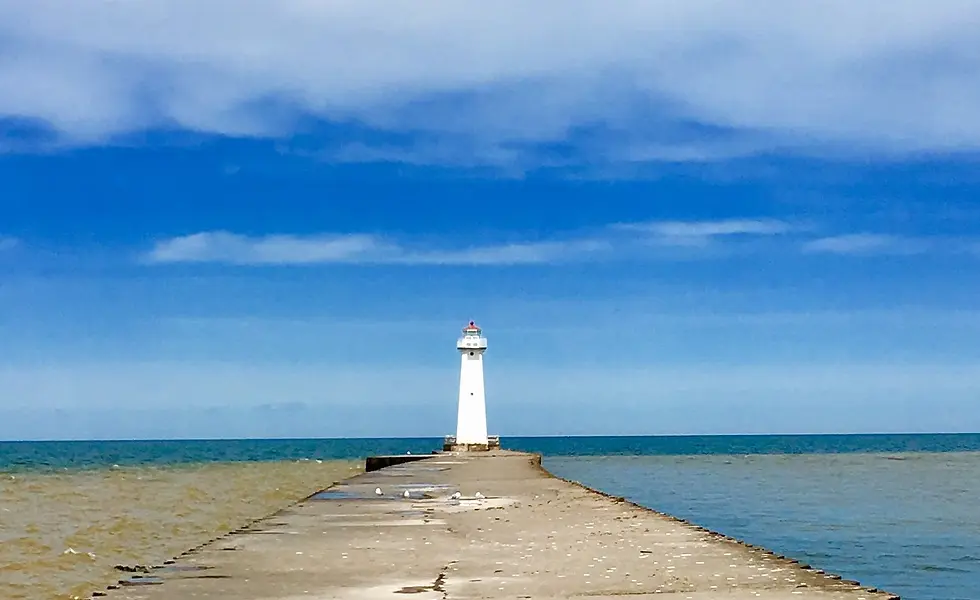
Relaxation and Wellness Opportunities
For those seeking rest and rejuvenation, the Finger Lakes offer plenty of options. The peaceful lakeside settings and natural surroundings create an ideal environment for:
Spa treatments and wellness retreats that focus on relaxation and holistic health.
Quiet spots for meditation, yoga, or simply enjoying nature's tranquility.
Scenic drives and picnic areas where you can unwind and soak in the views.
This focus on wellness complements the active outdoor lifestyle and cultural experiences, making the Finger Lakes a well-rounded destination for all types of travelers.
Easy Access and Year-Round Appeal
The Finger Lakes are conveniently located within driving distance of major cities like New York City, Boston, and Toronto, making them accessible for weekend getaways or longer vacations. The region’s infrastructure supports visitors with:
A range of accommodations from cozy bed and breakfasts to luxury resorts.
Well-maintained roads and clear signage for easy navigation.
Visitor centers and online resources to help plan your trip.
Each season offers something different, so whether you prefer the lively summer festivals or the quiet beauty of winter, the Finger Lakes welcome you with open arms.
Because of the scams going on with Airbnb and Vbro, I will not recommend places listed here on my blog. Here is a link to a couple of cases if you would like to read them.
Places to Stay:
You can show your appreciation with a virtual coffee if you have found value in my blog.

Do not forget to subscribe to get my monthly newsletter.
Some of the links found on my website are affiliate links. I earn from qualifying purchases as an Amazon Associate and an Expedia Associate. Through other links, I may also receive a small commission at no extra cost to you. Using them supports me, helps offset the cost of running this website, and ensures I can continue to provide free content and resources.
I truly appreciate the support!


Comments