


The History and Significance of the President’s Head Monument in Virginia

If you enjoy this blog post, consider subscribing to get my newsletter.
Comments are always welcome and appreciated.
The President’s Head Monument in Virginia stands as a striking symbol of history, artistry, and cultural memory. This unique monument captures the attention of visitors and historians alike, offering a glimpse into the past and the values that shaped the region. Exploring its origins, design, and ongoing impact reveals why this monument holds a special place in Virginia’s heritage.

Origins of the President’s Head Monument
The monument was conceived during a period when commemorating national leaders through public art became a popular way to express civic pride and historical awareness. Local leaders commissioned it in the early 20th century to honor a president whose legacy resonated deeply with the community.
The choice of location in Virginia was deliberate. Virginia, known as the birthplace of several U.S. presidents, provides a fitting backdrop for a monument dedicated to presidential memory. The monument’s placement near historic sites and public spaces ensures it remains accessible and visible to residents and tourists.
Design and Artistic Features
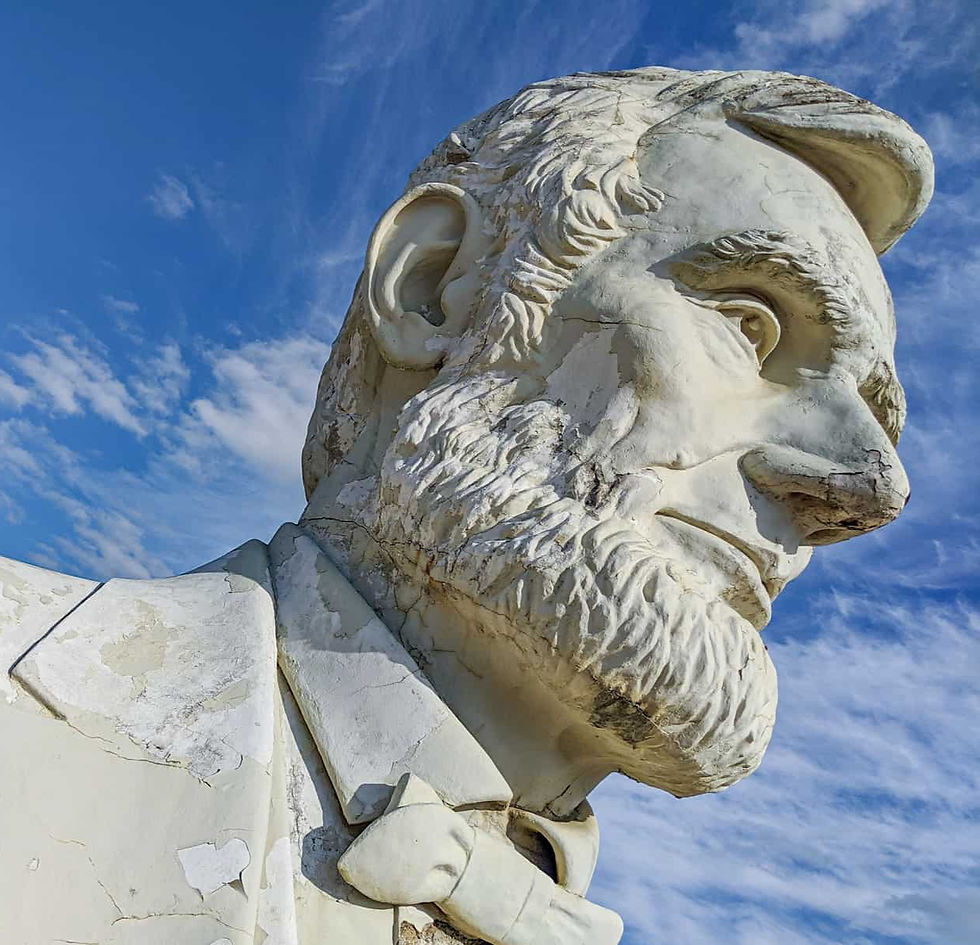
The President’s Head Monument is notable for its distinctive design. Unlike traditional full-figure statues, this monument focuses on the president’s head, carved with remarkable detail and realism. The sculptor employed a style that balances classical techniques with a modern sensibility, emphasizing the president’s facial features to convey character and dignity.
The monument’s construction uses locally sourced stone, chosen for durability and its symbolic connection to the region. The monument’s scale is imposing yet approachable, inviting viewers to reflect on the president’s impact without overwhelming the surrounding environment.
Historical Context and Symbolism
Understanding the monument's historical context adds depth to its significance. The president depicted played a pivotal role during a transformative era in American history. His leadership during times of conflict and change left a lasting imprint on the nation’s development.
The monument’s focus on the head symbolizes wisdom, vision, and leadership. It encourages viewers to consider the president’s ideas and decisions rather than just their physical presence. This artistic choice aligns with the broader cultural movement of the time, which sought to highlight intellectual and moral qualities in public memorials.
The Monument’s Role in Virginia’s Cultural Landscape
Over the decades, the President’s Head Monument has become more than a static tribute. It serves as a gathering place for educational programs, commemorative events, and community celebrations. Schools often organize field trips to the site, using it as a tangible connection to lessons about American history and governance.
Local historians and preservationists have worked to maintain the monument, recognizing its value as a cultural asset. Efforts include regular cleaning, structural assessments, and interpretive signage that provides visitors with background information and context.

Visitor Experience and Accessibility
Visitors to the monument often remark on its powerful presence and the contemplative atmosphere it creates. The site is designed to be accessible, with pathways and seating areas that encourage lingering and reflection. Informational plaques offer insights into the president’s life and the monument’s creation, enhancing the educational experience.
The surrounding area includes other historical landmarks, making the President’s Head Monument part of a broader itinerary for those interested in Virginia’s rich past. Nearby amenities such as parking and rest areas support a comfortable visit for individuals and groups.
Challenges and Preservation Efforts
Like many outdoor monuments, the President’s Head faces challenges from weathering and environmental factors. Rain, wind, and temperature changes can gradually cause deterioration. Preservation teams use modern conservation techniques to address these issues, ensuring the monument remains intact for future generations.
Community involvement plays a crucial role in preservation. Fundraising events and volunteer programs help support maintenance efforts. Public awareness campaigns highlight the monument’s importance, encouraging visitors to show respect and care.
The Monument’s Impact on Local Identity
The President’s Head Monument contributes to a sense of identity and pride within the local community. It connects residents to a shared history and fosters appreciation for leadership and civic responsibility. The monument also attracts tourists, supporting local businesses and cultural institutions.
By honoring a president with strong ties to Virginia, the monument reinforces the state’s role in shaping national history. It reminds us of the enduring influence of leadership and the importance of remembering those who have guided the country.
Educational Value and Future Opportunities
The monument offers rich opportunities for education and engagement. Schools, universities, and cultural organizations can develop programs that explore the president’s legacy, the art of monument-making, and the broader historical context.
Future initiatives might include interactive exhibits, digital tours, or community workshops that deepen understanding and participation. These efforts can help keep the monument relevant and meaningful in a changing world.
The farm is private property and not open to visitors. Cameras and security have been updated recently. Any unknown visitors may be prosecuted. Local photographer John Plashal occasionally offers tours of the heads.
Afterward, Adickes moved the busts to Williamsburg, Virginia, where entrepreneur Everette H. “Haley” Newman II invested around $10 million to create the open-air museum, Presidents Park. In 2004, the public could see the heads alongside the Presidential Pet Museum.
When you think about American presidents, images of historic speeches, important documents, and iconic landmarks often come to mind. Yet, many of these leaders shared their lives with beloved pets who offered companionship and comfort during challenging times. The Presidential Pet Museum in Williamsburg invites visitors to explore this unique side of history, showcasing the furry friends who lived alongside the nation’s presidents. This museum offers a charming and insightful experience that connects visitors with the personal lives of these famous figures.
Discovering the Presidential Pet Museum
Located in the heart of Williamsburg, the Presidential Pet Museum stands out as a one-of-a-kind attraction. It focuses on pets that have lived in the White House and presidents' homes throughout American history. The museum’s collection includes photographs, artifacts, and stories about dogs, cats, birds, and even more unusual pets that have shared the spotlight with presidents.

Visitors will find the museum engaging for all ages. Whether you are a history buff, a pet lover, or looking for a fun, educational outing, this museum offers a fresh perspective on presidential history. The exhibits highlight how pets influenced the daily lives of presidents and their families, providing comfort and companionship during times of stress and celebration.
Highlights of the Museum’s Collection
The museum features a variety of exhibits that bring presidential pets to life. Some of the most memorable include:
George Washington’s Dogs: Washington was known for his love of hunting dogs. The museum displays portraits and stories about his foxhounds, which were prized for their hunting skills and loyalty.
Abraham Lincoln’s Cats and Dogs: Lincoln’s pets are well-documented, including his dog Fido and several cats. The museum shares anecdotes about how these animals were part of Lincoln’s family life in the White House.
Theodore Roosevelt’s Menagerie: Roosevelt had a famously large collection of pets, including dogs, birds, and even a badger. The museum showcases photos and descriptions of these animals, illustrating Roosevelt’s adventurous spirit.
John F. Kennedy’s Welsh Terrier, Charlie: Kennedy’s dog, Charlie, was a beloved companion. Visitors can see memorabilia and learn about the close bond between the president and his pet.
These exhibits not only provide historical facts but also reveal the presidents’ personalities through their relationships with their pets. The museum’s storytelling approach makes history feel personal and relatable.
Why Visit the Presidential Pet Museum?
Visiting this museum offers several unique benefits:
A New Angle on History: Instead of focusing solely on political achievements, the museum shows presidents as people who cared deeply for their pets.
Educational for All Ages: Children and adults alike can enjoy learning about history through the lens of animals, making it easier to connect with the past.
Interactive Displays: Some exhibits include interactive elements, such as quizzes and touchscreens, that engage visitors and encourage deeper exploration.
Inspiration for Pet Owners: Seeing how presidents valued their pets can inspire visitors to appreciate their own furry friends even more.
The museum also hosts special events and talks that explore the role of pets in presidential history, giving visitors opportunities to learn from experts and enthusiasts.
Planning Your Visit
The Presidential Pet Museum is easy to reach in Williamsburg, a city known for its rich colonial history and charming streets. Here are some tips for making the most of your visit:
Check Opening Hours: The museum has seasonal hours, so check its website or call ahead before planning your trip.
Allow Enough Time: Plan to spend at least an hour exploring the exhibits to fully appreciate the stories and artifacts.
Combine with Other Attractions: Williamsburg offers many historical sites and museums, so consider pairing your visit with a tour of Colonial Williamsburg or the nearby Jamestown Settlement.
Bring the Family: The museum is family-friendly, with exhibits designed to capture younger visitors’ interest.
Admission fees are reasonable, and group discounts may be available for larger parties or school groups.
The Legacy of Presidential Pets
The Presidential Pet Museum reminds us that behind every leader is a personal story filled with moments of joy, companionship, and sometimes comfort during difficult times. Pets have played a quiet but meaningful role in shaping presidents' lives and, by extension, the history of the United States.
By visiting this museum, you gain insight into the softer side of leadership and the universal bond between humans and animals. It celebrates loyalty, friendship, and the simple pleasures pets bring to our lives, no matter who we are.
Whether you are a local or a visitor to Williamsburg, the Presidential Pet Museum offers a memorable experience that enriches your understanding of American history through the eyes of our furry leaders.
The President’s Head Monument never took off, however, and when the economy plunged into a recession in 2008, the park shut down. Contractor Howard Hankins, who would help build the park, was hired to destroy the busts. Instead, Hankins adopted all 42 heads and lugged them back to his private family farm 11 miles up the road for safekeeping.
With each bust weighing up to 20,000 pounds, it took nearly a week to move them all, and the backs of their heads were destroyed during the forklift transport to the farm. The eyes, however, remain intact.
Because of the scams going on with Airbnb and Vbro, I will not recommend places listed here on my blog. Here are links to a couple of cases if you would like to read them.
Places to Stay:
You can show your appreciation with a virtual coffee if you have found value in my blog.

Do not forget to subscribe to get my monthly newsletter.
Some links on my website are affiliate links. I earn from qualifying purchases as an Amazon Associate and an Expedia Associate. Through other links, I may also receive a small commission at no extra cost to you. Using them supports me, helps offset the cost of running this website, and ensures I can keep providing free content and resources.
I truly appreciate the support!
Comments