


Exploring the History and Significance of Hatfield Cemetery, West Virginia

If you enjoy this blog post, consider subscribing to get my newsletter.
Comments are always welcome and appreciated.
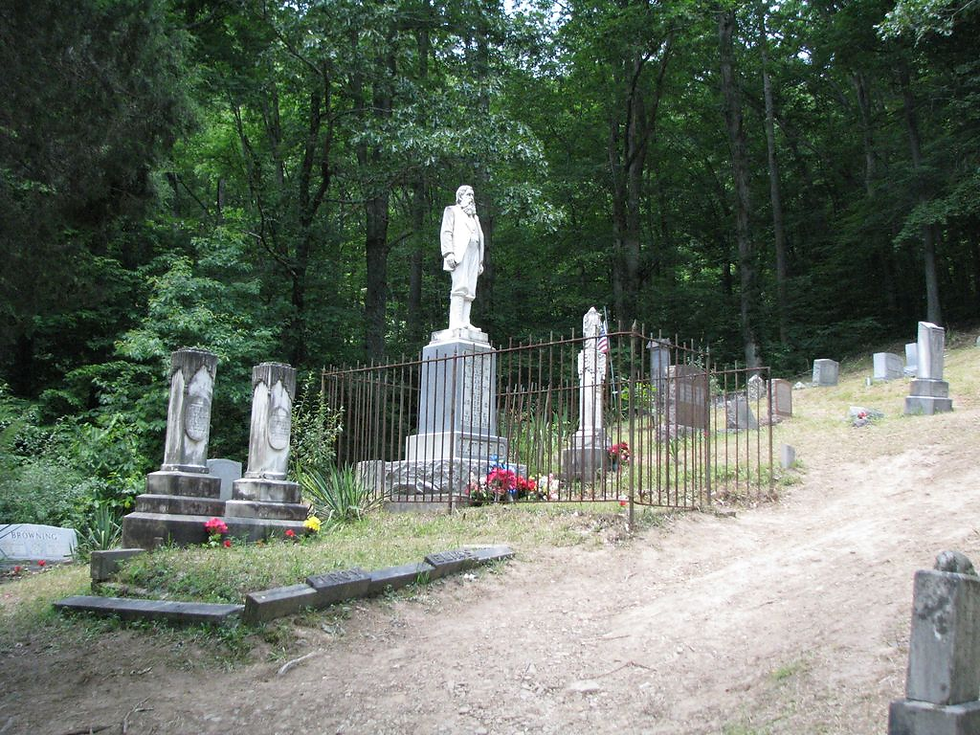
Hatfield Cemetery holds a unique place in local history, offering a window into the past through its weathered gravestones and the stories they tell. This historic site reflects the lives, struggles, and legacies of the community members who shaped the region. Exploring Hatfield Cemetery reveals more than names and dates; it uncovers cultural shifts, historical events, and personal narratives that still resonate today. The Hatfield Cemetery is located near Sarah Ann, Logan County, West Virginia.

Origins and Early History
Hatfield Cemetery dates back to the 18th century, established when the surrounding area was still developing. The cemetery began as a small burial ground for early settlers and local families. Its location was chosen for practical reasons—proximity to the community and the natural landscape that provided a peaceful resting place.
The earliest gravestones are simple, often hand-carved markers made from local stone. These markers provide insight into the craftsmanship and materials available at the time. Many inscriptions reflect the hardships early residents faced, including high infant mortality rates and the impact of epidemics.
Notable Burials and Stories
Several individuals buried in Hatfield Cemetery played significant roles in the community’s development. They include veterans from various American conflicts, local leaders, and pioneers who contributed to the area’s growth.
One notable figure is John Hatfield, after whom the cemetery is named. He was a respected community member and early settler whose family helped establish the nearby town. His gravestone, marked by a distinctive carving, serves as a focal point for visitors interested in local genealogy.
The cemetery also contains graves of soldiers from the Revolutionary War and the Civil War. These graves often feature military insignia and provide a tangible connection to the nation’s history. Visitors can learn about the personal sacrifices these individuals made and the broader historical context of their service.
Architectural Features and Symbolism
The gravestones and monuments in Hatfield Cemetery showcase a variety of styles and symbols that reflect changing attitudes toward death and remembrance. Early markers are modest, while later ones display more elaborate carvings and epitaphs.
Common symbols include:
Willow trees represent mourning and sorrow.
Lambs, symbolizing innocence, are often found on children’s graves.
Hourglasses indicate the passage of time and mortality.
These symbols offer insight into the community's beliefs and values over time. The craftsmanship also highlights the evolution of stone carving techniques and artistic trends.
Preservation Efforts and Challenges
Preserving Hatfield Cemetery is crucial for maintaining its historical and cultural value. Over the years, natural wear, weather, and vandalism have threatened the integrity of many gravestones. Local historical societies and volunteers have worked to document and restore damaged markers.
Efforts include:
Cataloging gravestones and inscriptions
Cleaning and repairing damaged stones using appropriate conservation methods
Installing informational signage to educate visitors about the cemetery’s history
Despite these efforts, challenges remain. Funding limitations and environmental factors continue to affect preservation efforts. Community involvement and awareness are essential to ensure the cemetery remains a respectful and informative site.

Visiting Hatfield Cemetery Today
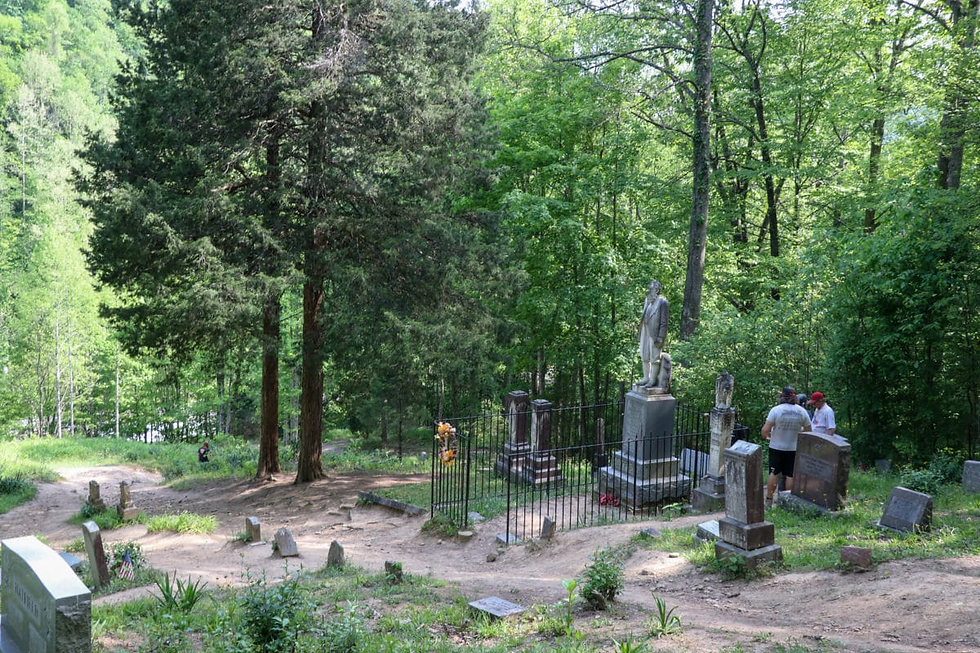
Hatfield Cemetery offers a quiet place for reflection and learning. Visitors can explore the grounds to connect with local history and appreciate the artistry of the gravestones. The site is accessible year-round, with walking paths that guide guests through different sections.
For those interested in genealogy, the cemetery provides valuable records that can supplement family research. Local archives often hold additional documents related to the individuals buried there, enriching the historical narrative.
Visitors are encouraged to respect the site by following guidelines such as:
Staying on designated paths
Avoiding touching or leaning on gravestones
Refraining from littering or disturbing the grounds
These practices help protect the cemetery for future generations.
The Cultural Importance of Cemeteries Like Hatfield
Cemeteries serve as more than resting places; they are cultural landmarks that preserve community memory. Hatfield Cemetery reflects the area's social history, including migration patterns, religious beliefs, and demographic changes.
Studying cemeteries helps historians and anthropologists understand how communities evolve. They reveal patterns of settlement, family structures, and even economic conditions through the monuments and inscriptions they contain.
Moreover, cemeteries like Hatfield foster identity and continuity. They remind current residents of their roots and the people who shaped their environment. This connection to the past can inspire preservation and respect for local heritage.
Final Thoughts on the Hatfield Cemetery
Stand tall, seekers of history and legend—the Hatfield Cemetery calls you to its hallowed ground. Nestled in the rugged hills of West Virginia, this resting place is more than a burial site; it is the silent witness to one of America’s most infamous feuds. Here lie the Hatfields, their legacy carved into stone and memory, their story echoing through generations.
Walking among these graves is stepping into the heart of Appalachian lore, where honor, vengeance, and family pride shaped a saga that still stirs the imagination. The cemetery is not just a destination—it is a pilgrimage into the soul of the mountains, a reminder that history is written not only in books but in the land itself.
So let your spirit be stirred. Visit Hatfield Cemetery, where the past whispers through the trees and the stones stand as sentinels of a tale that refuses to fade. This is not merely a journey—it is a call to witness the enduring power of heritage and legend.
Because of the scams going on with Airbnb and Vbro, I will not recommend places listed here on my blog. Here are links to a couple of cases if you would like to read them.
Places To Stay:
You can show your appreciation with a virtual coffee if you have found value in my blog.

Do not forget to subscribe to get my newsletter.
Some links on my website are affiliate links. I earn from qualifying purchases as an Amazon Associate and an Expedia Associate. Through other links, I may also receive a small commission at no extra cost to you. Using them supports me, helps offset the cost of running this website, and helps me keep providing free content and resources.
I truly appreciate the support!


Comments