


“Exploring the Best of Savannah, Georgia: Cemeteries, Cuisine, and Cobblestones”

If you enjoy this blog post, consider subscribing to get my newsletter.
Comments are always welcome and appreciated.
Savannah, Georgia, offers a unique blend of history, culture, and natural beauty that draws visitors from across the country. This charming city is known for its well-preserved architecture, lush public squares, and vibrant arts scene. Whether you are a history buff, a nature lover, or someone looking to enjoy Southern hospitality, Savannah has something to offer. This guide highlights some of the best attractions that showcase the city’s character and appeal.

Historic District and Its Squares
Savannah, Georgia, stands out as one of the most charming and well-preserved historic cities in the United States. Its Historic District offers a unique glimpse into the past with cobblestone streets, centuries-old architecture, and a layout centered around beautiful public squares. These squares are more than just green spaces; they are the heart of Savannah’s identity, reflecting its history, culture, and community spirit. This post explores the Historic District and its iconic squares, revealing why Savannah remains a must-visit destination for history lovers and travelers seeking authentic Southern charm.
The Unique Layout of Savannah’s Historic District
Savannah’s Historic District covers about 2.5 square miles and is one of the largest National Historic Landmark Districts in the country. What makes it truly special is its original city plan, designed in 1733 by General James Oglethorpe. The plan features a grid of streets interspersed with 22 public squares, each serving as a communal gathering spot.
This design was revolutionary for its time. The squares were intended to provide open space, promote social interaction, and offer safety by breaking up the urban landscape. Today, these squares remain green oases surrounded by historic homes, churches, and public buildings.
As you walk through the district, you'll see a blend of architectural styles, including Georgian, Federal, Gothic Revival, and Italianate. Preservation efforts have kept the area remarkably intact, letting people step back in time while enjoying modern amenities.
Discovering Savannah’s Iconic Squares

Each square in Savannah has its own story and character. Here are some of the most notable ones:
Johnson Square
Johnson Square is Savannah's oldest and largest square, established in 1733. It honors Robert Johnson, a colonial governor of South Carolina. The square features a monument to General Nathanael Greene, a hero of the American Revolutionary War. Historic buildings surround Johnson Square, including the Bank of America Plaza and Savannah City Hall.
Wright Square
Wright Square is known for its connection to Tomochichi, a Native American leader who played a crucial role in Savannah’s founding; a monument in the square honors Tomochichi’s friendship with Oglethorpe and his support for the early settlers. The square also features a striking fountain and is close to the historic First African Baptist Church, one of the oldest African American congregations in the country.
Madison Square
Madison Square is named after President James Madison and is home to the beautiful Unitarian Universalist Church. The square features a statue of General James Oglethorpe, reminding visitors of the city’s founder. Madison Square is a popular spot for locals and tourists alike, offering benches and shade under large oak trees.
Chippewa Square
Chippewa Square gained fame as the filming location for the bench scenes in the movie Forrest Gump. The square honors the soldiers who fought in the Battle of Chippewa during the War of 1812. Impressive buildings like the Savannah Theatre and the historic Mercer-Williams House surround it.
Factors That Make the Squares Special
Green Spaces: Each square offers lush landscaping with live oaks draped in Spanish moss, azaleas, and seasonal flowers.
Historic Monuments: Statues and memorials tell stories of Savannah’s past, from colonial times to the Civil War.
Community Events: Many squares host festivals, markets, and concerts, keeping the tradition of public gathering alive.
Architectural Surroundings: Historic homes, churches, and public buildings frame the squares and showcase Savannah’s architectural heritage.
How to Experience the Historic District and Squares
To fully appreciate Savannah’s Historic District, consider these tips:
Take a Walking Tour: Guided tours provide rich historical context and anecdotes about the squares and surrounding buildings. Many companies offer themed tours focusing on architecture, ghosts, or the Civil War.
Rent a Bike or Scooter: For a faster pace, explore the district on wheels. This allows you to cover more ground while enjoying the fresh air.
Visit Key Landmarks: Don’t miss the Cathedral of St. John the Baptist, the Owens-Thomas House, and the Savannah History Museum.
Enjoy Local Cuisine: The district is packed with restaurants serving Southern classics like shrimp and grits, fried green tomatoes, and pecan pie.
Relax in the Squares: Spend time sitting on a bench in one of the squares, soaking in the atmosphere and watching daily life unfold.
Preservation and Community Impact
Savannah’s commitment to preserving its Historic District and squares has had a lasting impact on the city’s culture and economy. The Historic Savannah Foundation, founded in 1955, played a key role in saving many buildings from demolition. Their work helped spark a nationwide historic preservation movement.
The squares continue to serve as vital community spaces, hosting events that bring residents and visitors together. This blend of history and active use keeps Savannah’s past alive and relevant.
Planning Your Visit
When planning a trip to Savannah’s Historic District, keep these practical points in mind:
Best Time to Visit: Spring and fall offer mild weather and blooming gardens. Summers can be hot and humid.
Accommodation: Stay in historic inns or bed-and-breakfasts within the district for an immersive experience.
Accessibility: The district is mostly walkable, but some cobblestone streets may be challenging for wheelchairs or strollers.
Local Guides: Look for certified guides who can share accurate, engaging stories about the area.
Savannah’s Historic District and its squares offer a rare chance to experience a living piece of American history. The city’s careful preservation and vibrant community life make it a destination that educates and delights visitors of all ages.
River Street and the Savannah River
No place captures Savannah better than River Street and the Savannah River. This vibrant waterfront area offers a unique blend of scenic beauty, cultural heritage, and lively attractions. Whether you are a first-time visitor or a returning traveler, exploring River Street and the Savannah River reveals the heart of Savannah’s spirit.

The Historic Appeal of River Street
River Street runs along the southern edge of downtown Savannah, hugging the Savannah River. This cobblestone street was once a bustling port where ships unloaded goods from around the world. Today, it preserves that historic feel while welcoming visitors with shops, restaurants, and galleries housed in old cotton warehouses.
As you walk along River Street, you can still see remnants of the city’s trading past. The cobblestones, iron railings, and brick buildings create an atmosphere that transports you back to the 18th and 19th centuries. Many of these buildings have been carefully restored, blending history with modern amenities.
What to do on River Street:
Browse unique boutiques selling local crafts and souvenirs.
Enjoy fresh seafood and southern cuisine at riverfront restaurants.
Visit art galleries featuring local artists and photographers.
Watch cargo ships and riverboats navigate the Savannah River.
The street is especially lively during festivals and events, such as the Savannah Music Festival and holiday celebrations, where live music and street performers add to the festive mood.
The Natural Beauty of the Savannah River
The Savannah River itself is a defining feature of the city. Stretching over 300 miles, it forms the border between Georgia and South Carolina. The river’s wide expanse and gentle flow create a peaceful backdrop for River Street’s activity.
Visitors can enjoy the river in many ways:
Take a riverboat cruise to see Savannah’s skyline and historic landmarks from the water.
Walk along the riverwalk, a scenic path that runs parallel to River Street.
Spot local wildlife such as herons, pelicans, and occasionally dolphins near the river’s mouth.
Relax on benches or grassy areas while watching the sunset over the water.
The river also played a crucial role in Savannah’s development as a port city. It allowed for trade and transportation that helped the city grow economically and culturally.
Dining and Entertainment Along the Waterfront
River Street offers a wide range of dining options that highlight Savannah’s culinary traditions. From casual cafes to upscale restaurants, many offer outdoor seating with river views.
Popular dishes include:
Shrimp and grits, a Southern classic
Fresh oysters and crab from nearby waters
Lowcountry boil, a flavorful mix of seafood, sausage, and corn
Sweet treats like pralines and pecan pie
For entertainment, several bars and music venues line the street, offering live jazz, blues, and other genres. The atmosphere is relaxed and welcoming, perfect for enjoying an evening out.
Tips for Visiting River Street and the Savannah River
To make the most of your visit, consider these practical tips:
Wear comfortable shoes for walking on cobblestones.
Visit on weekdays or early in the morning to avoid crowds.
Check the schedule for riverboat tours and book in advance.
Bring a camera to capture scenic views and historic details.
Explore nearby attractions such as the Savannah History Museum and the Old Fort Jackson.
River Street is also wheelchair accessible in many areas, but some cobblestone sections may be uneven, so plan accordingly.
The Lasting Appeal of Savannah’s Waterfront
River Street and the Savannah River offer a rare combination of history, nature, and culture. This area invites visitors to slow down and enjoy the simple pleasures of a southern river town. Whether you stroll along the cobblestones, savor fresh seafood, or watch riverboats glide by, you'll feel connected to Savannah’s past and present.
Savannah’s Museums and Historic Homes
Savannah, Georgia, is a city where history lives in every corner. Centuries-old buildings line its streets, and its museums and historic homes offer a window into the past. For visitors and history enthusiasts, exploring these sites reveals stories of the city’s founding, its role in American history, and the lives of those who shaped it. This post guides you through some of Savannah’s most notable museums and historic homes, helping you experience the city’s rich heritage firsthand.

The Telfair Museums: A Cultural Landmark
The Telfair Museums are a cornerstone of Savannah’s cultural scene. Founded in 1886, it is one of the South's oldest public art museums. The Telfair Museums consist of three distinct sites: the Telfair Academy, the Owens-Thomas House, and the Jepson Center for the Arts.
Telfair Academy
This Greek Revival mansion houses a collection of American and European art. Visitors can admire paintings, sculptures, and decorative arts while walking through elegant rooms that reflect 19th-century Savannah life.
Owens-Thomas House
Known for its architectural significance, this house offers a glimpse into early 19th-century life, including Savannah's complex history of slavery. The house features original furnishings and a rare urban slave quarters.
Jepson Center for the Arts
A modern addition to the Telfair Museums, the Jepson Center showcases contemporary art and hosts rotating exhibitions, contrasting with the historic buildings.
Visiting the Telfair Museums allows you to appreciate both art and history in a setting that connects past and present.
The Juliette Gordon Low Birthplace
The birthplace of Juliette Gordon Low, founder of the Girl Scouts of the USA, is a beautifully preserved home in Savannah’s historic district. The house offers guided tours that share stories about Low’s life and her impact on youth organizations nationwide.
The home itself is a fine example of Regency Revival architecture, with period furnishings and personal artifacts. Visitors learn about Low’s vision and the early days of the Girl Scouts, making this site a meaningful stop for families and history buffs alike.
The Owens-Thomas House and Slave Quarters
While part of the Telfair Museums, the Owens-Thomas House deserves special mention for its detailed interpretation of Savannah’s antebellum period. The house is one of the earliest examples of English Regency architecture in the United States.
What sets this site apart is its focus on the lives of enslaved people who lived and worked there. The urban slave quarters are among the best-preserved in the country, offering a rare look at the conditions and stories often left out of traditional historic tours.
The Davenport House Museum
Built in 1820, the Davenport House Museum is a Federal-style home carefully restored to reflect early 19th-century Savannah. The museum offers guided tours that explain the architecture, furnishings, and the lives of the Davenport family.
The house also highlights Savannah’s development after the Revolutionary War. Its location near the historic district makes it an easy and worthwhile stop for visitors interested in domestic life and urban growth in early America.
The Ships of the Sea Maritime Museum
Savannah’s history is deeply connected to its port, and the Ships of the Sea Maritime Museum tells that story. Located in a historic mansion on East Bay Street, the museum features exhibits on shipbuilding, navigation, and maritime trade.
Visitors can explore model ships, maritime art, and artifacts that illustrate Savannah’s role as a key Atlantic port. The museum also hosts educational programs and special events, making it a dynamic place to learn about the city’s nautical past.
The Green-Meldrim House
This Gothic Revival mansion is notable for its architecture and its role during the Civil War. The Green-Meldrim House served as General William Tecumseh Sherman’s headquarters during the Union occupation of Savannah in 1864.
The house offers tours highlighting its architectural features, including intricate woodwork and stained glass. Visitors also hear about Sherman’s famous “March to the Sea” and the house’s place in that critical moment of American history.
The Isaiah Davenport House
Another key historic home, the Isaiah Davenport House, was built in 1820 by master builder Isaiah Davenport. It now operates as a museum dedicated to preserving Savannah’s architectural heritage.
The house showcases Federal-style design and craftsmanship. It also tells the story of Savannah's historic preservation movement, which began in the 1950s when local citizens worked to save the house from demolition.
Experiencing Savannah’s History Today
Walking through Savannah’s museums and historic homes offers more than just a look at old buildings. It connects visitors to the people who lived, worked, and shaped the city. From the artistry of the Telfair Museums to the personal stories in the Owens-Thomas House, each site reveals a different piece of Savannah’s past.
Bonaventure Cemetery
Bonaventure Cemetery in Savannah, Georgia, is more than just a resting place for the departed. It is a place where history, art, and nature come together to create an atmosphere that is both haunting and beautiful. Visitors are often drawn to its moss-draped oaks, intricate sculptures, and the stories etched into every stone. This blog post explores what makes Bonaventure Cemetery a unique destination and offers practical insights for those who want to experience its charm firsthand.

The History Behind Bonaventure Cemetery
Bonaventure Cemetery dates back to the mid-19th century and was originally part of a large plantation. It became a public cemetery in 1907 and has since grown into one of Savannah’s most famous landmarks. The cemetery reflects the city’s rich past, including the lives of notable figures, veterans, and ordinary citizens whose stories contribute to Savannah’s cultural fabric.
The cemetery gained wider recognition through the book Midnight in the Garden of Good and Evil, which highlighted its mysterious and atmospheric qualities. This connection has made Bonaventure a must-visit spot for tourists interested in history and Southern Gothic charm.
What to See at Bonaventure Cemetery
Visitors to Bonaventure Cemetery will find a variety of sights that capture the imagination:
Sculptures and Monuments
The cemetery features many elaborate statues and monuments. One of the most famous is the statue of Little Gracie, a young girl whose angelic figure has become a symbol of innocence and peace. Other monuments feature intricate carvings of angels, crosses, and symbolic animals.
Ancient Oak Trees Draped in Spanish Moss
Bonaventure's natural beauty is undeniable. Towering oak trees covered in Spanish moss create a canopy that filters sunlight, casting eerie shadows on the pathways. This natural setting enhances the cemetery’s haunting atmosphere.
Famous Gravesites
Among the many graves, visitors can find the resting places of notable individuals such as poet Conrad Aiken and songwriter Johnny Mercer. These gravesites often attract fans and history enthusiasts alike.
The Winding Pathways
The cemetery’s layout encourages exploration. Meandering paths lead visitors through quiet sections where they can pause and reflect. The peaceful environment invites slow walks and photography.
Why Bonaventure Cemetery Stands Out
Bonaventure Cemetery is not just a place of rest; it is a living museum of art, history, and nature. Its unique combination of Southern Gothic aesthetics and serene beauty creates an experience that stays with visitors long after they leave. The cemetery invites reflection on life and death, while also offering a peaceful retreat from the busy city.
The stories behind the graves and the artistry of the monuments provide a deep connection to Savannah’s past. For those interested in history, art, or simply a quiet place to walk, Bonaventure offers something special.
Final Thoughts on Visiting Bonaventure Cemetery
Walking away from Bonaventure Cemetery, it’s hard not to feel like you’ve stepped through a living storybook. The Spanish moss sways gently overhead, the river glimmers just beyond the trees, and every statue and headstone seems to whisper a tale of Savannah’s past. It’s a place where beauty and melancholy intertwine—where you can wander for hours and still feel like you’ve only brushed the surface of its history.
What lingers most is the atmosphere: peaceful yet haunting, timeless yet alive. Bonaventure isn’t just about the famous names or ornate monuments—it’s about quiet moments of reflection, the way light filters through the oaks, and the reminder that memory and nature can coexist in such harmony.
If you’re looking for more than just a sightseeing stop, Bonaventure offers that rare chance to slow down, breathe deeply, and connect with something bigger than yourself. It’s not just a cemetery—it’s an experience that stays with you long after you’ve left its gates.
Savannah’s Food Scene
Savannah, Georgia, offers more than historic charm and scenic streets. Its food scene draws visitors and locals alike with a mix of traditional Southern flavors and fresh, innovative dishes. Whether you crave classic comfort food or modern culinary twists, Savannah’s restaurants and markets deliver memorable experiences. This post explores what makes Savannah’s food culture unique and highlights some must-try spots.

Southern Roots with a Fresh Twist
Savannah’s food scene is deeply rooted in Southern cooking traditions. Recipes passed down through generations still influence menus, but chefs also bring creativity to the table. This blend of old and new creates a dynamic dining environment.
Key Southern dishes to try:
Shrimp and grits
Fried green tomatoes
Lowcountry boil
Buttermilk fried chicken
Pecan pie
Many restaurants use locally sourced ingredients, adding freshness and supporting regional farmers. The coastal location also means seafood features prominently, from oysters to fresh-caught fish.
Popular Neighborhoods for Food Lovers
Certain areas in Savannah stand out for their concentration of great eateries and food markets. Exploring these neighborhoods gives a good sense of the city’s culinary diversity.
Historic District
The Historic District offers a mix of upscale dining and casual spots. Here, you can find elegant Southern cuisine alongside international flavors. Many restaurants occupy restored buildings, adding atmosphere to the meal.
Starland District
This up-and-coming neighborhood has a creative vibe. It’s home to food trucks, craft breweries, and small restaurants experimenting with fusion dishes and unique menus. Starland is perfect for adventurous eaters.
City Market
City Market is a lively area with a variety of dining options, from seafood shacks to barbecue joints. It’s a great place to sample different foods in one visit, especially during festivals or weekend events.
Must-Visit Restaurants and Cafes
Savannah’s food scene includes a range of establishments, from fine dining to casual cafes. Here are some standout places to consider:
Mrs. Wilkes’ Dining Room: Known for family-style Southern meals served in a communal setting. Expect hearty portions and classic recipes.
The Collins Quarter: Combines Australian coffee culture with Southern ingredients. Their brunch menu is popular for creative dishes and quality coffee.
Treylor Park: Offers playful takes on comfort food, like peanut butter and jelly wings or shrimp-and-grits tacos. The atmosphere is casual and fun.
Leopold’s Ice Cream: A historic ice cream parlor serving homemade flavors since 1919, a perfect stop for dessert lovers.
These spots showcase the range of Savannah’s food offerings, from traditional to inventive.
Food Markets and Festivals
Beyond restaurants, Savannah hosts markets and events that celebrate local food culture.
Savannah Farmers Market: Open on Saturdays, this market features fresh produce, baked goods, and artisanal products. It’s a good place to meet local vendors and taste seasonal items.
Savannah Food and Wine Festival: An annual event attracting chefs and food enthusiasts. It includes tastings, cooking demonstrations, and special dinners.
SCAD Sidewalk Arts Festival: While focused on art, this festival also highlights local food vendors, offering a chance to enjoy creative dishes alongside cultural activities.
These gatherings strengthen the community around food and provide opportunities to explore new flavors.
The Role of Seafood in Savannah’s Cuisine
Savannah’s coastal location makes seafood central to its food culture. Fresh catches influence menus across the city.
Popular seafood dishes include:
Oysters on the half shell
Blackened redfish
Crab cakes
Shrimp boils
Many restaurants source seafood directly from nearby waters to ensure freshness. Seasonal availability also affects what’s on offer, so that menus can change throughout the year.
Sweet Treats and Southern Desserts
No visit to Savannah is complete without sampling its desserts. Southern sweets are rich and comforting, often featuring pecans, peaches, or sweet potatoes.
Favorites include:
Pecan pie
Peach cobbler
Red velvet cake
Pralines
Local bakeries and cafes often put their own spin on these classics, making dessert a highlight of any meal.
Final Thoughts on Savannah’s Food Scene
Savannah’s food scene leaves you with a sense of richness that goes far beyond the plate. From soulful Southern staples to inventive modern twists, every meal feels like a story—one that blends tradition, culture, and hospitality into flavors you won’t forget. Walking through the city, you’re just as likely to stumble upon a cozy café serving shrimp and grits as you are a fine‑dining spot reimagining Lowcountry cuisine.
What lingers most is the warmth: the way chefs honor heritage while welcoming innovation, the way locals share their favorite haunts with pride, and the way each bite seems to carry a piece of Savannah’s identity. It’s a food scene that invites you to slow down, savor, and connect—not just with the dishes, but with the people and history behind them.
In the end, Savannah’s culinary landscape is more than a collection of restaurants—it’s a living reflection of the city itself: charming, layered, and unforgettable.
Tybee Island and Nearby Nature
The coastal region around Savannah, Georgia, offers a unique blend of natural beauty and outdoor adventure. Tybee Island, just a short drive from Savannah, stands out as a prime destination for those who want to experience the Atlantic coast's charm alongside the Lowcountry's rich ecosystems. This area invites visitors to explore sandy beaches, salt marshes, and historic landscapes that tell stories of both nature and culture. Whether you enjoy birdwatching, kayaking, or simply walking along the shore, Tybee Island and Savannah's nearby natural areas offer plenty of opportunities to connect with the environment.

Beaches and Coastal Ecosystems of Tybee Island
Tybee Island is best known for its wide, sandy beaches that stretch along the Atlantic Ocean. These beaches are not only perfect for sunbathing and swimming but also serve as important habitats for various species. The island’s shoreline supports nesting sea turtles and migratory shorebirds, making it a wildlife hotspot.
Visitors can explore the Tybee Island Marine Science Center, which offers educational programs about local marine life and conservation efforts. Walking along the beach at sunrise or sunset reveals a peaceful scene where dolphins sometimes swim close to shore, and pelicans glide overhead.
The island’s salt marshes, located just behind the beaches, are equally fascinating. These marshes act as natural filters and provide shelter for crabs, fish, and a variety of bird species. Kayaking through these marshes offers a quiet way to observe nature up close, with the chance to spot herons, egrets, and even the occasional alligator.
Savannah’s Nearby Nature and Green Spaces
Savannah itself is famous for its historic squares and oak-lined streets, but it also offers access to impressive natural areas. Just outside the city, Skidaway Island State Park is a favorite spot for hiking and wildlife watching. The park features trails that wind through maritime forests and salt marshes, where visitors can see live oaks draped with Spanish moss and spot deer or wild turkeys.
Another notable area is the Savannah National Wildlife Refuge, located about 30 minutes from downtown. This refuge protects thousands of acres of wetlands and is home to a wide range of birds, including bald eagles and wood storks. The refuge has several walking trails and observation points, making it easy to enjoy the peaceful surroundings and learn about the local ecosystem.
For those interested in water activities, the Wormsloe Historic Site offers trails along tidal creeks and views of ancient oak alleys. The site combines natural beauty with history, preserving the remains of one of Georgia’s oldest colonial settlements.
Activities to Experience the Natural Beauty
Exploring the natural wonders of Tybee Island and Savannah is not limited to sightseeing. There are many ways to engage actively with the environment:
Birdwatching: Both Tybee Island and the nearby wildlife refuges are excellent places to spot a variety of bird species. Bring binoculars and a field guide to identify shorebirds, raptors, and songbirds.
Kayaking and Paddleboarding: Rent a kayak or paddleboard to explore the calm waters of the salt marshes and tidal creeks. Guided tours are available for those unfamiliar with the area.
Hiking and Nature Walks: Trails at Skidaway Island State Park and Wormsloe Historic Site offer easy to moderate hikes through diverse habitats.
Fishing: Coastal waters and marshes offer good fishing spots for both beginners and experienced anglers.
Photography: The natural light and scenic views make this region a favorite for photographers, especially during golden hour.
Final Thoughts on Exploring Tybee Island and Savannah’s Nature
Exploring Tybee Island leaves you with a sense of balance—between relaxation and adventure, between coastal charm and natural wonder. The island’s sandy beaches invite you to slow down, while its marshes and trails remind you of the wild beauty that thrives just beyond the shoreline. Whether you’ve spent the day kayaking, climbing the lighthouse, or simply watching the waves roll in, Tybee has a way of grounding you in the moment.
Final thoughts: Tybee Island isn’t just a getaway; it’s a reminder of how restorative the ocean can be. The blend of laid‑back beach town vibes with rich history and ecology makes it more than a destination—it’s an experience that lingers long after you’ve left. You carry away not just memories of sun and sea, but a renewed appreciation for the rhythms of coastal life.
The Haunted Places in Savannah
Savannah, Georgia, is famous for its charming streets, historic architecture, and moss-draped oaks. But beneath its picturesque surface lies a darker side that draws visitors fascinated by the paranormal. Known as one of America's most haunted cities, Savannah offers a rich collection of ghost stories and eerie locations that have captured imaginations for centuries. Whether you are a skeptic or a believer, exploring Savannah’s haunted places reveals a unique blend of history, mystery, and spine-tingling encounters.
The History Behind Savannah’s Haunting Reputation
Savannah’s haunted reputation is deeply tied to its long and often turbulent history. Founded in 1733, the city has witnessed wars, epidemics, and tragedies that left emotional imprints on its buildings and streets. The Civil War, yellow fever outbreaks, and the struggles of early settlers contribute to the many ghost stories told today. Savannah’s preservation of historic homes and public spaces means many of these sites remain intact, allowing visitors to step back in time—and sometimes feel the presence of those who never left.
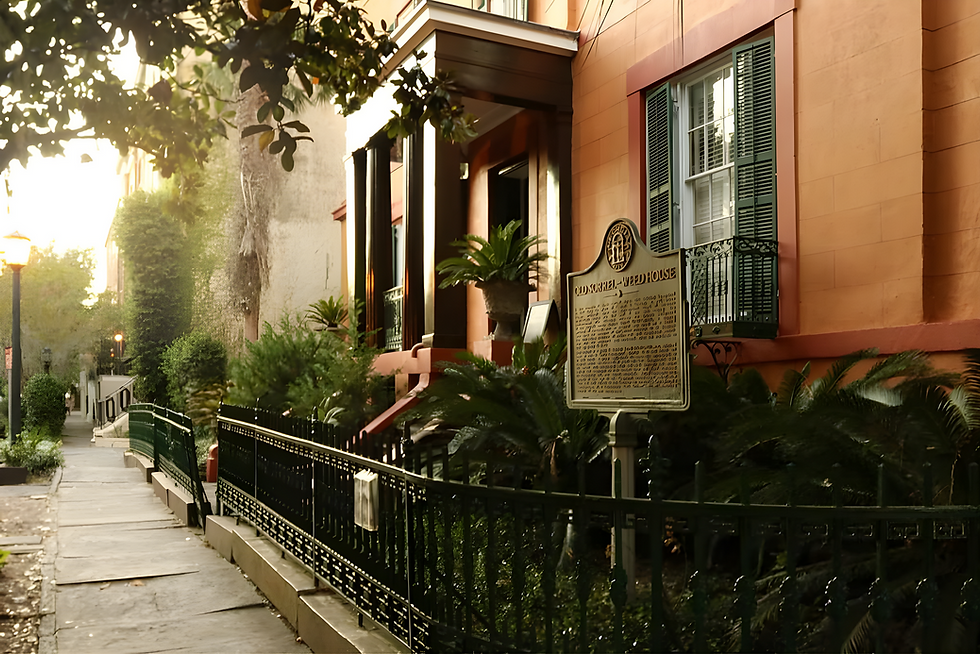
The Sorrel-Weed House
One of Savannah’s most famous haunted locations is the Sorrel-Weed House. Built in 1840, this Greek Revival mansion has a reputation for paranormal activity that attracts ghost hunters and curious tourists alike. Visitors report hearing footsteps, seeing shadowy figures, and experiencing sudden drops in temperature.
The house’s dark history includes tales of murder and suicide. Some say the spirits of former residents linger, especially in the upstairs bedrooms and the cellar. The Sorrel-Weed House offers guided ghost tours that share chilling stories and let guests experience the eerie atmosphere firsthand.
The Marshall House
Located in the heart of Savannah’s historic district, the Marshall House is a hotel with a haunted past. Built in 1851, it served as a hospital during the Civil War and later during yellow fever epidemics. Guests and staff have reported unexplained noises, apparitions, and objects moving on their own.
One of the most famous spirits is believed to be a little girl who appears in the hallways. The hotel embraces its haunted reputation, offering paranormal tours and encouraging visitors to share their own ghostly experiences. Staying overnight here offers a chance to experience Savannah’s haunted history up close.
Bonaventure Cemetery
Bonaventure Cemetery is not only a beautiful resting place but also a hotspot for ghost stories. The cemetery’s haunting beauty comes from its old oak trees, moss, and historic tombstones. Visitors often report feeling watched or sensing a presence as they walk among the graves.
One of the most famous legends involves the statue of a little girl named Gracie Watson. Some say her spirit still roams the cemetery, and visitors leave flowers or toys at her grave. Bonaventure’s peaceful yet eerie atmosphere makes it a must-visit for those interested in Savannah’s supernatural side.
The Pirate’s House
The Pirate’s House is a restaurant and historic site dating back to 1753. Originally a tavern and inn for sailors and pirates, it has long been associated with ghost stories. Patrons and staff have reported strange noises, flickering lights, and ghostly apparitions.
The building’s underground tunnels, once used for smuggling and secret meetings, add to the mystery. The Pirate’s House offers a unique mix of dining and ghost lore, making it a popular stop for visitors who want to experience Savannah’s haunted past while enjoying Southern cuisine.
The Kehoe House
The Kehoe House is a beautifully restored mansion turned bed-and-breakfast. Built in 1892, it is known for its elegant architecture and reported paranormal activity. Guests have shared stories of hearing voices and footsteps, and seeing unexplained shadows.
The house’s history includes tales of tragedy and loss, which some believe contribute to the lingering spirits. Staying at the Kehoe House offers a chance to experience Savannah’s haunted charm in a more intimate setting, with many guests hoping for a brush with the supernatural.
The Owens-Thomas House
The Owens-Thomas House is a historic home that offers a glimpse into Savannah’s past and its ghostly legends. Built in 1819, it is famous for its architecture and its role in the city’s history. Visitors and staff have reported strange sounds, cold spots, and ghostly figures.
The house also explores Savannah's history of slavery, adding a deeper layer to its stories. Some believe the spirits of enslaved people still linger, making the Owens-Thomas House a place of reflection as well as mystery.
Ghost Tours and Paranormal Experiences
Savannah offers a variety of ghost tours that take visitors through its most haunted locations. These tours combine history with storytelling, providing context for the supernatural tales. Some tours focus on walking through haunted squares and streets, while others explore specific buildings or cemeteries.
For those interested in a more hands-on experience, some companies offer paranormal investigations using equipment like EMF meters and spirit boxes. These experiences allow visitors to try to capture evidence of ghosts and learn about the science behind paranormal research.
Why Savannah’s Haunted Places Captivate Visitors
Savannah’s haunted places offer more than scares. They connect visitors to the city’s rich history and culture. Ghost stories often reflect real events and people, making the experience both educational and thrilling. The combination of beautiful architecture, historic significance, and eerie tales creates a unique atmosphere that keeps visitors coming back.

Exploring these haunted sites allows people to step into the past and imagine the lives of those who lived—and died—there. Whether you seek ghostly encounters or want to learn about Savannah’s history, the city’s haunted places provide a memorable adventure.
Practical Tips for Visiting Savannah
Best Time to Visit: Spring and fall offer mild weather and fewer crowds.
Getting Around: The Historic District is walkable, but bikes and trolleys are also popular.
Accommodation: Options range from historic inns to modern hotels.
Safety: Savannah is generally safe, but standard precautions apply, especially at night.
Final Thoughts on Visiting Savannah, Georgia
Savannah is a city where history and charm intertwine seamlessly. Its cobblestone streets, moss‑draped oaks, and stately squares invite visitors to slow down and savor the atmosphere. Whether you’re exploring haunted mansions, strolling along River Street, or enjoying Southern cuisine, Savannah offers timeless yet lively experiences.
Savannah's unforgettable appeal lies in its balance of elegance and mystery. The city’s historic architecture and vibrant arts scene coexist with ghostly legends and whispered tales, creating a destination that appeals to both the curious and the romantic.
In the end, visiting Savannah is more than a trip—it’s an immersion into Southern heritage, hospitality, and storytelling. It leaves you with memories of beauty, intrigue, and a sense that the city itself is a living narrative.
FAQ
What is the most famous cemetery in Savannah?
Bonaventure Cemetery is the most famous. It’s known for live oaks, Victorian monuments, notable graves, and its connection to Midnight in the Garden of Good and Evil.
Can you walk around Savannah’s cemeteries on your own?
Yes, many visitors explore on their own during open hours. Guided tours are also helpful because they explain symbolism, history, and local legends you might miss.
What food is Savannah best known for?
Savannah is known for Southern and Lowcountry dishes like shrimp and grits, fried green tomatoes, she-crab soup, biscuits, pralines, and fresh seafood.
Where are the cobblestone streets in Savannah?
The best-known cobblestones are near River Street and Factors Walk along the waterfront. This area shows Savannah’s old port history and has some of the city’s most atmospheric walks.
Is Savannah easy to explore on foot?
The historic district is very walkable, but bring comfortable shoes. Cobblestones, brick sidewalks, and uneven streets are part of the charm, but they can be tough on your feet.
The best way to understand Savannah is to slow down
Savannah rewards patience. Don’t treat it like a checklist city. Give yourself time to sit under the oaks, read the names on old stones, order something buttery, and walk carefully over the cobbles by the river.
The cemeteries show you what the city remembers. The food shows you how it welcomes people. The cobblestones show you where ships, workers, merchants, and travelers passed long before you arrived.
That mix is what makes Savannah stay with you. It’s graceful, haunted, delicious, and easy to love.
Because of the scams going on with Airbnb and Vbro, I will not recommend places listed here on my blog. Here are links to a couple of cases if you would like to read them.
Places To Stay:
You can show your appreciation with a virtual coffee if you have found value in my blog.

Do not forget to subscribe to get my newsletter.
Some links on my website are affiliate links. I earn from qualifying purchases as an Amazon Associate and an Expedia Associate. Through other links, I may also receive a small commission at no extra cost to you. Using them supports me, helps offset the cost of running this website, and helps me keep providing free content and resources.
I truly appreciate the support!



Comments