


Why I Retired Abroad: Expat Lessons on Adventure, Cost of Living, and Building a New Life

If you enjoy this blog post, consider subscribing to get my newsletter.
Comments are always welcome and appreciated.
I didn’t retire abroad because I had everything figured out. I did it because I was tired of waiting for the “perfect” version of retirement.
For years, I pictured retirement as a quieter life somewhere familiar. Same grocery store. Same routines. Same bills, just with more free time. Then I started asking a slightly uncomfortable question: what if retirement could be more than slowing down?
I wanted adventure while I still had the energy to enjoy it. I wanted a lower cost of living without feeling like I was shrinking my life. I wanted mornings that didn’t begin with traffic, errands, and a calendar full of obligations I had stopped caring about.
So I moved abroad.
It wasn’t all espresso by the sea and easy conversations in sunny plazas. Some days were confusing. Some were lonely. Some made me wonder why I’d traded comfort for challenge. But the move gave me something I didn’t expect: a fresh sense of aliveness.

I wanted retirement to feel like a beginning
The biggest reason I retired abroad was simple: I didn’t want retirement to feel like an ending.
I had spent decades making practical decisions. Family came first, and then work. Then houses, insurance, schedules, repairs, and all the normal adult things that quietly take over. None of that was bad. A lot of it was meaningful. But by the time retirement came into view, I could feel a part of me asking, “Is this the whole story?”
Moving abroad made me more curious.
I wanted to learn how to order coffee in another language. I wanted to get lost and find my way back. I wanted to wake up in a place where the day didn’t automatically unfold the way it always had.
That kind of adventure doesn’t require skydiving or climbing mountains, but I will still do that. For me, it looked like:
Figuring out which bus went to the market
Learning when shops closed for the afternoon
Trying food I couldn’t pronounce yet
Making small talk with neighbors one sentence at a time
Taking long walks with no particular goal
Those small adventures mattered. They pulled me out of autopilot.
There’s a certain courage in admitting that comfort can become too comfortable. I had built a life that worked, but it had also become narrow. Retiring abroad widened it again.
The lower cost of living opened up real breathing room
Money wasn’t the only reason I moved, but I’d be lying if I said it didn’t matter.
Retirement in the United States can feel expensive before it even starts. Housing, health care, transportation, insurance, and everyday services add up fast. I didn’t want to spend the next chapter watching every dollar with a knot in my stomach.
A lower cost of living gave me choices.
I didn’t move somewhere just because it was cheap. That’s a mistake I’ve seen people make. Low rent doesn’t help much if you feel isolated, unsafe, or cut off from the things you care about. I looked for a place where I could live well, not just spend less.
The difference showed up in ordinary ways.
A meal out didn’t feel like a luxury. Fresh produce became part of my daily rhythm. I could live without a car because walking, buses, and taxis covered most of what I needed. My housing costs were more manageable, and that changed the emotional weight of retirement.
Lower expenses didn’t create happiness on their own. They created space.
Space to travel a little. Space to say yes to learning a language. Space to help family when needed. Space to handle surprise costs without panic.
I also learned to be honest about hidden expenses. Moving abroad can save money, but it isn’t free. Visa fees, shipping costs, flights back home, legal paperwork, health insurance, temporary housing, and the occasional “I had no idea I’d need to pay for that” moment.
Before moving, I built a cushion. Not a fantasy cushion based on the cheapest possible month, but a real one that assumed mistakes, delays, and emergencies.
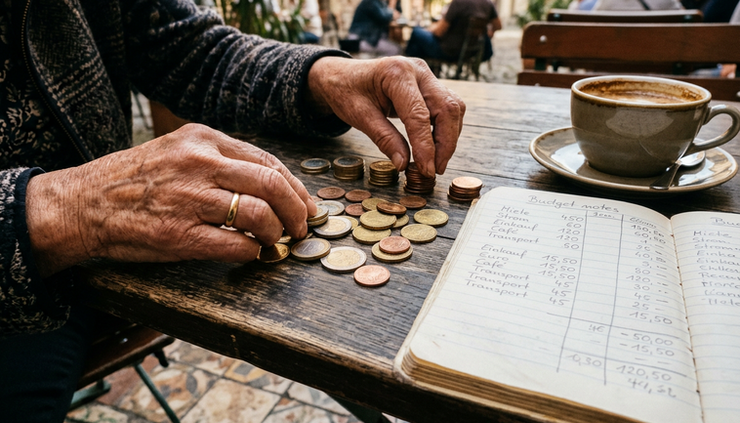
Here’s the practical money lesson I’d pass on: test your budget before you trust it.
If possible, spend a month or two in the country before committing. Rent a normal apartment, buy groceries, take local transportation, and live like a resident, not a vacationer. Vacation spending tells you almost nothing about daily life.
A simple trial budget should include:
Rent and utilities
Local transportation
Groceries and household basics
Dining out
Health coverage and prescriptions
Visa and residency costs
Travel back to the United States
Emergency savings
Currency exchange swings
Help with taxes or legal paperwork
This is informational only, not financial advice. Everyone’s situation is different, and cross-border taxes, pensions, Social Security, and health coverage can get complicated. A qualified tax or financial professional who understands expat life is worth the fee.
The culture shock was quieter than I expected
Before I moved, I thought culture shock would be dramatic. I pictured big misunderstandings, language disasters, and moments of total confusion.
There were a few of those.
But the harder adjustments were quieter.
I had to get used to a different pace. Repairs took longer. Paperwork required patience. Customer service didn’t always follow the script I knew. Personal space, meal times, noise levels, greetings, and social expectations all felt slightly unfamiliar at first.
At home, I knew how things worked without thinking. Abroad, even small tasks asked for attention.
Buying produce at the market could feel like a test. Paying a utility bill felt like solving a puzzle. Calling the internet company in another language was the kind of character-building I hadn't asked for.
At first, I found myself comparing everything.
Back home, this would be easier.
Back home, this would be faster.
Back home, this would make more sense.
That mindset made me miserable for a while. Then I started replacing comparison with observation. Instead of asking why things weren’t like home, I asked how things worked here.
That changed everything.
I learned to watch how locals handled lines, greetings, appointments, and meals. I learned that “on time” could mean something different depending on the situation. I learned that directness, politeness, humor, and privacy don’t translate perfectly from one culture to another.
The goal wasn’t to erase who I was. It was to stop assuming my way was the default.
A few habits helped:
I learned basic phrases before I needed them.
I apologized quickly when I misunderstood.
I stopped treating inconvenience like an insult.
I asked local friends for advice before making assumptions.
I gave myself permission to feel tired.
That last one matters. Living in another culture uses a lot of mental energy. Even a good day can be draining when your brain is translating words, signs, customs, and choices all at once.
Building community took effort, not luck
Loneliness is one of the most honest parts of retiring abroad.
People love to talk about beautiful views and cheaper rent. Fewer people talk about the first few months when nobody knows your name yet.
Back home, community often hides in plain sight. You have old friends, former coworkers, neighbors, doctors, favorite cashiers, and family routines. Abroad, you may have none of that at first.
I had to build a new community on purpose.
That felt awkward. I hadn’t made new friends from scratch in years. I had to become the person who showed up, introduced myself, and said yes even when staying home sounded easier.
I started with small, repeatable places:
A weekly language exchange
A local walking group
The same produce stand every few days
A neighborhood cafe
Volunteer events
Expat meetups, but not only expat meetups
The balance mattered. Other foreigners helped me understand visas, doctors, rental contracts, and where to find familiar ingredients. Local friendships helped me feel connected to the place itself.

I also learned not to rush friendship. In some places, friendship forms slowly. Being friendly doesn’t always mean being close. Invitations may take time. Trust may come after many small interactions rather than one long conversation.
So I kept showing up.
I greeted neighbors. I remembered names. I accepted imperfect conversations. I asked questions without turning people into tour guides for my new life.
Little by little, the place stopped feeling like a destination and started feeling like home.
The move changed my lifestyle more than my address
The biggest surprise was that moving abroad didn’t just change where I lived. It changed how I lived.
I love to learn more now. I buy less. I cook with what’s fresh nearby. I plan my days around morning errands, afternoon rest, and evening walks. I spend less time maintaining things and more time noticing things.
My life became smaller in square footage and larger in experience.
That trade felt strange at first. I had to let go of the idea that success meant having more space, more storage, more convenience, and more control. Abroad, I couldn’t keep every old habit. Some didn’t fit. Some were too expensive. Some no longer made sense.
I also became more flexible.
When the pharmacy didn’t have the exact brand I used back home, I asked what locals used. When a restaurant menu confused me, I ordered something anyway. When bureaucracy got frustrating, I brought snacks, copies of every document, and a sense of humor.
That flexibility became its own kind of freedom.
I came here with less, much less, and about four suitcases. The things I thought would make me feel at home weren’t always what mattered. A few photos, favorite recipes, comfortable shoes, and important documents were worth more than boxes of “just in case” items.
The emotional packing was harder.
I had to leave behind a version of myself that knew exactly how everything worked. I had to accept being a beginner again. That’s humbling, but it’s also good for the spirit.
Practical tips if retiring abroad is on your mind
Retiring abroad doesn’t have to be a wild leap. It can be a careful, thoughtful step toward a life that fits better.
Here’s what helped me most.
Visit in the off-season. A place can feel magical in perfect weather and lonely during rainy months. See it when daily life is normal.
Rent before buying. Give yourself time to understand neighborhoods, noise, transportation, and local rules. Buying too soon can turn a dream into a burden.
Learn the visa rules early. Tourist stays, residency permits, income requirements, and health insurance rules vary by country. Don’t rely on rumors from online groups.
Build a health care plan. Know where you’d go for routine care and emergencies. Bring copies of prescriptions and medical records.
Keep a U.S. address strategy. Banking, taxes, voting, and Medicare-related mail can require planning. Some people use family, mail services, or professional help.
Make language learning part of daily life. You don’t need fluency to begin, but effort matters. Even basic phrases show respect.
Protect your emergency fund. If possible, keep money available in more than one account. Cards get blocked, transfers stall, and surprises happen.
Stay connected to people back home. A new life shouldn’t require cutting off the old one. Schedule calls, visits, and shared rituals.
Give yourself a full year before judging the move. The first months can be intense. A year gives you seasons, routines, friendships, and a clearer view.

FAQ
Is retiring abroad only for wealthy people?
No. Many people consider it because their retirement income goes further in certain countries. That said, it still takes planning. Savings, health care, visas, taxes, and emergency travel all need room in the budget.
How do I choose the right country?
Start with lifestyle, not scenery. Think about climate, safety, health care, language, residency rules, transportation, distance from family, and whether you can picture an ordinary Tuesday there.
What was the hardest part of moving abroad?
The hardest part was losing my sense of competence for a while. Simple tasks became complicated. Once I accepted that being a beginner was part of the process, life got easier.
Do I need to speak the local language?
You can start with basic phrases in many places, especially where there’s an expat community. Long-term, learning the language makes daily life richer and shows respect for the people around you.
Should I sell everything before moving?
I wouldn’t rush that. Rent first, store only what truly matters, and give yourself time to decide. Some people settle abroad permanently. Others split time between countries. Keep your options open until the new life proves itself.
The life I found by leaving the familiar
Retiring abroad didn’t solve every problem. It didn’t make me younger, braver, or immune to ordinary worries. I still deal with bills, appointments, homesickness, and days when the washing machine manual might as well be written in code.
But it gave me a wider life.
It reminded me that retirement can be creative. It can be active. It can be a time to choose again, not because the old life was wrong, but because another version may be waiting.
I went looking for adventure, lower costs, and a lifestyle change. I found all three. I also found patience, humility, new friendships, and a deeper trust in my ability to adapt.
If the idea keeps tugging at you, don’t ignore it. Start with research. Take a scouting trip. Run the numbers. Talk to people who’ve done it. Picture your daily life, not just the postcard version.
The next chapter doesn’t have to look like the last one. Sometimes the best part of retirement begins when you’re willing to feel a little lost, then build a new life one ordinary day at a time.
If you have any questions or would like help, please leave a comment, or you can email me at craydsadventures@gmail.com
You can show your appreciation with a virtual coffee if you have found value in my blog.

Don’t forget to sign up for my monthly newsletter.
Some links on my website are affiliate links. I earn from qualifying purchases as an Amazon Associate and an Expedia Associate. Through other links, I may also receive a small commission at no extra cost to you. Using them supports me, helps offset the cost of running this website, and helps me keep providing free content and resources.
I truly appreciate the support!

Comments