


Unveiling the Mysteries of the Abandoned Nike Nuclear Missile Site S-13/14, Washington

If you enjoy this blog post, consider subscribing to get my newsletter.
Comments are always welcome and appreciated.
Seattle is known for its stunning outdoor spaces, and Nike Park stands out as a hidden gem for nature lovers and city explorers alike. This park offers a peaceful retreat from urban life and showcases the Pacific Northwest's natural beauty. Whether you want a quiet walk, a picnic, or to soak in the scenery, Nike Park offers the perfect setting. Nike Park in Seattle got its name from its former role as a Nike missile base active during the Cold War. This missile system was part of the U.S. military’s defense strategy against potential threats from the Soviet Union.
A Quiet Escape in the Heart of Seattle
Nike Park is tucked away in a residential area, making it a calm spot away from the usual city noise. The park features a mix of open grassy areas and wooded trails, giving visitors a chance to experience different types of natural environments in one place. The trees provide shade on sunny days, and the gentle sounds of birds and rustling leaves create a relaxing atmosphere.
Visitors often appreciate the park’s well-maintained, easy-to-navigate paths. These trails suit all ages and fitness levels, making the park accessible to families, joggers, and casual walkers. The layout encourages exploration without feeling overwhelming.
Why Nike Park Stands Out
Nike Park stands out for its balance of natural beauty and accessibility. It provides a quiet, green space within the city that feels like a small nature reserve. The park’s size and layout encourage visitors to slow down and appreciate the simple pleasures of being outdoors.
For Seattle residents and visitors seeking a break from the city’s busy pace, Nike Park offers a refreshing option. It’s a place to connect with nature without traveling far. People come here and don’t realize this used to be a missile site.
Nike Missile Site
The remnants of Cold War military installations scatter across the United States, silent witnesses to a tense era. Among these, the abandoned Nike nuclear missile site S-13/14 stands out as a compelling piece of history. Hidden in plain sight, this site holds stories of defense strategies, technological advances, and the ever-present threat of nuclear conflict. Exploring this location reveals more than rusted equipment and crumbling bunkers; it opens a window into a pivotal chapter of American defense.

The Origins of Nike Missile Sites
During the Cold War, the United States faced the constant threat of Soviet air attacks. To counter this, the military developed the Nike missile program, a network of surface-to-air missile sites designed to protect major cities and strategic locations. The Nike Ajax was the first operational missile, followed by the more advanced Nike Hercules, which could carry nuclear warheads.
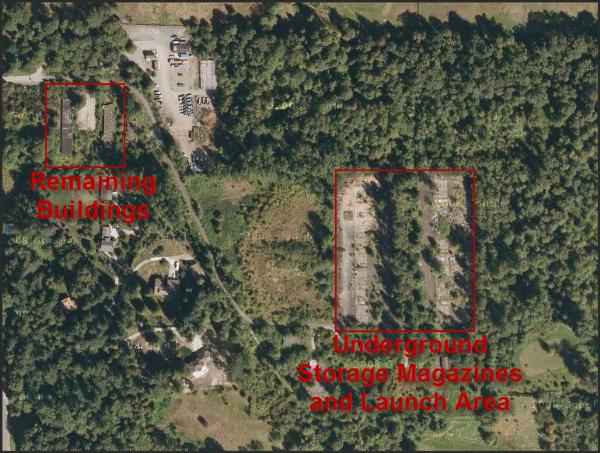
Site S-13/14 was part of this defensive shield. Positioned strategically, it served as a frontline deterrent against potential bomber attacks. The site included missile launch areas, radar stations, and underground control centers. Its design reflected the urgency and secrecy of the time, with reinforced structures built to withstand possible attacks.
Layout and Features of Site S-13/14
The Nike missile sites followed a standard layout, but each had unique adaptations based on location and terrain. Site S-13/14 consisted of two main areas: the launch area and the Integrated Fire Control (IFC) area.
Launch Area
This section housed missile silos, storage bunkers, and fueling stations. Missiles were stored horizontally and raised to vertical positions before launch. The launch area was heavily fortified with blast-resistant walls and underground tunnels connecting various facilities.
Integrated Fire Control Area
The IFC contained radar equipment, command centers, and communication systems. Operators tracked incoming targets and guided missiles during flight. The underground bunkers featured thick concrete walls and air filtration systems to protect personnel from chemical or nuclear attacks.
The site’s remote location helped conceal its purpose, but it was also accessible enough for maintenance and rapid deployment. Over time, as missile technology evolved and threats changed, the site’s operational importance diminished.
Life at the Site During Operation
Personnel stationed at Nike missile sites like S-13/14 lived under strict protocols. The threat of nuclear war was real, and readiness was a daily routine. Guards patrolled the perimeter, technicians maintained missile systems, and officers monitored radar screens around the clock.
Training exercises simulated attacks, ensuring that crews could respond instantly. Despite the tension, the site functioned as a small community, with barracks, mess halls, and recreational areas. The isolation and secrecy created a unique environment that blended military discipline with camaraderie.
Reasons for Abandonment
By the late 1960s and early 1970s, advances in missile technology and changes in defense strategy rendered many Nike sites obsolete. Intercontinental ballistic missiles (ICBMs) and satellite surveillance shifted the focus away from surface-to-air missile defense.
Site S-13/14 was decommissioned and abandoned, left to the elements. The military removed sensitive equipment, but the physical structures remained. Over decades, nature reclaimed much of the site, with rusting metal and crumbling concrete marking the passage of time.
Exploring the Site Today
Visiting the abandoned Nike missile site S-13/14 offers a rare glimpse into Cold War history. The site is often overgrown, with vegetation creeping through cracks in the pavement and buildings. The remaining bunkers are inaccessible and likely contain dark corridors and empty control rooms. This site was explorable until a large number of homeless people decided to live inside; it was not safe to do so. When the City of Seattle learned of this, it closed off access to the underground areas. However, the site provides valuable insights for historians, photographers, and those interested in military heritage.

The Legacy of Nike Missile Sites
Although abandoned, sites like S-13/14 represent an important era in American defense history. They remind us of the constant vigilance required during the Cold War and the technological efforts to prevent nuclear conflict.
Preserving these sites, even in their ruined state, helps educate future generations about the complexities of military strategy and the human stories behind them. Some former Nike sites have been converted into museums or historical parks, while others remain untouched, silent monuments to a tense past.
What the Site Tells Us About the Cold War
The Nike missile program, including site S-13/14, illustrates the balance of power and fear that defined the Cold War. It shows how technology was harnessed to create layers of defense and how military planning extended into everyday life.
The site also highlights the rapid pace of change in military technology. What was once cutting-edge became obsolete within decades, reflecting shifting threats and new approaches to national security.
Final Thoughts on the Abandoned Nike Missile Site S-13/14
Exploring the abandoned Nike nuclear missile site S-13/14 uncovers more than physical ruins. It reveals a story of preparedness, innovation, and the shadow of nuclear threat that shaped a generation. For those interested in history, military technology, or Cold War culture, the site offers a tangible connection to a complex past.
Visiting or studying such locations encourages reflection on how nations protect themselves and the costs of conflict. It also inspires curiosity about the hidden places that hold pieces of history waiting to be rediscovered.
Many scams exist on Airbnb and Vrbo. I won't recommend places listed there on my blog. Here are links to a couple of cases you can read if you would like. Airbnb currently faces over 200 lawsuits.
Places to Stay:
You can show your appreciation with a virtual coffee if you have found value in my blog.

Do not forget to subscribe to get my monthly newsletter.
Some links on my website are affiliate links. I earn from qualifying purchases as an Amazon Associate and an Expedia Associate. Through other links, I may also receive a small commission at no extra cost to you. Using them supports me, helps offset the cost of running this website, and ensures I can keep providing free content and resources.
I truly appreciate the support!


Comments