


Top Hiking Trails to Explore in Michigan’s Great Outdoors

Michigan offers some of the most diverse and scenic hiking experiences in the Midwest. Whether you crave rugged cliffs overlooking vast lakes, dense forests filled with wildlife, or peaceful trails winding through dunes and wetlands, Michigan’s outdoor spaces deliver. This post highlights some of the best hiking trails across the state, helping you plan your next adventure in Michigan’s great outdoors.
The Best Hiking Trails in Michigan
Pictured Rocks National Lakeshore
Pictured Rocks National Lakeshore offers one of the most stunning natural experiences in the Midwest. Located along the southern shore of Lake Superior in Michigan’s Upper Peninsula, this park draws visitors with its colorful sandstone cliffs, pristine beaches, and lush forests. Whether you seek adventure, relaxation, or a chance to connect with nature, Pictured Rocks delivers a unique blend of scenic beauty and outdoor activities.

The Unique Geology of Pictured Rocks
The park’s name comes from the striking cliffs that stretch for nearly 40 miles along Lake Superior’s shoreline. These cliffs display layers of sandstone in shades of red, orange, yellow, and white. The colors come from mineral deposits like iron and manganese, which have been shaped by wind, water, and ice over thousands of years.
Visitors can see natural formations such as arches, caves, and waterfalls carved into the cliffs. One famous spot is Chapel Rock, a towering sandstone formation that looks like a cathedral spire. Another highlight is Miners Castle, a large rock outcrop with panoramic views of the Lake.
Outdoor Activities for Every Interest
Pictured Rocks National Lakeshore offers a variety of ways to explore its beauty:
Hiking: The park has over 100 miles of trails, ranging from easy walks to challenging backcountry routes. The Lakeshore Trail follows the cliffs and offers breathtaking views of the water and rock formations. For a longer trek, the North Country Trail passes through the park, connecting it to a vast network of trails across several states.
Kayaking: Paddling along the shoreline is a popular way to see the cliffs up close. Kayakers can explore sea caves and hidden beaches that are inaccessible by land. Guided tours are available for those new to the sport or unfamiliar with the area.
Boat Cruises: For a more relaxed experience, boat tours provide a comfortable way to admire the cliffs and learn about the park’s history and geology. These cruises often include stops at landmarks like Grand Island and the Au Sable Lighthouse.
Camping: The park has several campgrounds and backcountry sites for overnight stays. Sleeping under the stars near Lake Superior’s shore is a memorable experience, especially during clear nights when the Milky Way is visible.
Wildlife and Nature Watching
Pictured Rocks is home to diverse wildlife, including white-tailed deer, black bears, and a variety of bird species. Birdwatchers can spot eagles, hawks, and migratory songbirds throughout the year. The park’s forests and wetlands provide important habitats for these animals.
In spring and summer, wildflowers bloom along the trails, adding bursts of color to the landscape. Fall brings vibrant foliage, making it a perfect time for photographers and nature lovers to visit.
Nearby Attractions to Explore
While visiting Pictured Rocks, you can also explore nearby points of interest:
Munising Falls: A short hike leads to a 50-foot waterfall surrounded by lush forest.
Grand Island: Located just offshore, this island offers additional hiking trails and secluded beaches.
Au Sable Lighthouse: This historic lighthouse stands at the mouth of the Au Sable River and is accessible by boat or a long hike.
For hiking, the Chapel Loop Trail is a popular choice, offering about 5 miles of moderate hiking with views of colorful rock formations and the iconic Chapel Rock.
Trail length: 5 miles loop
Difficulty: Moderate
Highlights: Sandstone cliffs, Chapel Rock, Lake Superior views, waterfalls
For a longer trek, the North Country Trail passes through the park, stretching over 40 miles with varied terrain and spectacular overlooks. This trail is perfect for hikers seeking solitude and a deeper connection with nature.
Sleeping Bear Dunes National Lakeshore
Sleeping Bear Dunes National Lakeshore in Michigan offers one of the most striking natural landscapes in the Midwest. This protected area along Lake Michigan’s shoreline features towering dunes, dense forests, clear inland lakes, and miles of pristine beaches. Visitors can explore a variety of outdoor activities while soaking in breathtaking views that change with every season. This post highlights what makes Sleeping Bear Dunes a must-visit destination and offers practical tips to make the most of your trip.
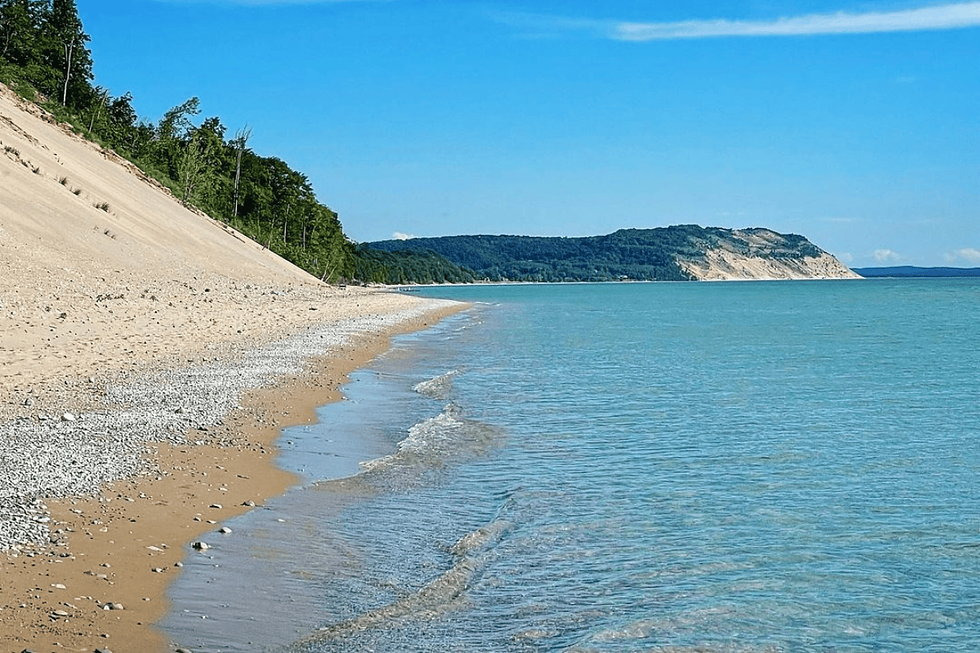
The Unique Landscape of Sleeping Bear Dunes
Sleeping Bear Dunes is famous for its massive dunes that rise as high as 450 feet above Lake Michigan. These dunes formed over thousands of years through the interaction of wind, water, and glacial deposits. The shifting sands create a dynamic environment where visitors can climb steep slopes and enjoy panoramic views of the Lake and surrounding forests.
The dunes are not just sand; they are home to diverse plant and animal life adapted to this unique habitat. You might spot rare orchids, pitcher plants, or even the elusive piping plover, a threatened bird species that nests on the beaches. The contrast between the sandy dunes and the lush greenery of the inland forests adds to the park’s visual appeal.
Activities to Experience at Sleeping Bear Dunes
There is no shortage of activities for outdoor enthusiasts at Sleeping Bear Dunes. Here are some popular options:
Hiking: Trails range from easy walks to challenging climbs. The Dune Climb is a favorite for families, offering a fun way to scale the dunes. For longer hikes, the Empire Bluff Trail provides stunning views of Lake Michigan and Sleeping Bear Bay.
Swimming and Beachcombing: The park has several sandy beaches perfect for swimming, sunbathing, and searching for colorful stones or fossils. Platte River Point and Glen Haven Beach are popular spots.
Kayaking and Canoeing: The calm waters of Glen Lake and Crystal River offer excellent paddling opportunities. Renting a kayak or canoe lets you explore quiet coves and observe wildlife from the water.
Scenic Drives: The Pierce Stocking Scenic Drive is a 7.4-mile route that passes overlooks, forests, and dunes. It’s a great way to see the park if you prefer a less strenuous experience.
Camping: Several campgrounds within the park provide a chance to stay overnight surrounded by nature. Sites fill up quickly during peak season, so reservations are recommended.
Nearby Attractions to Explore
While Sleeping Bear Dunes offers plenty to see and do, the surrounding region has additional attractions worth visiting:
Leland: A charming historic fishing village with shops, galleries, and waterfront dining.
Traverse City: Known for its wineries, cherry orchards, and vibrant downtown.
M-22 Scenic Highway: A picturesque drive along Lake Michigan’s coast with stunning views and quaint towns.
Combining a visit to Sleeping Bear Dunes with these nearby spots creates a well-rounded Michigan adventure.
The Dune Climb trail is a must-try for those who want to challenge themselves by climbing steep dunes and enjoying panoramic views of Lake Michigan.
Trail length: 1 mile (Dune Climb)
Difficulty: Moderate to strenuous
Highlights: Dunes, Lake Michigan views, forest trails
The Empire Bluff Trail is another favorite, providing a 1.5-mile hike to a bluff overlooking the Lake. It’s a shorter but rewarding hike with breathtaking vistas, especially at sunset.
Porcupine Mountains Wilderness State Park
Porcupine Mountains Wilderness State Park, often called the “Porkies,” offers one of the most expansive and untouched natural areas in Michigan. Located in the Upper Peninsula along Lake Superior’s southern shore, this park covers over 60,000 acres of forest, rivers, waterfalls, and rugged terrain. It stands out as a destination for outdoor lovers seeking a mix of adventure, tranquility, and stunning scenery.
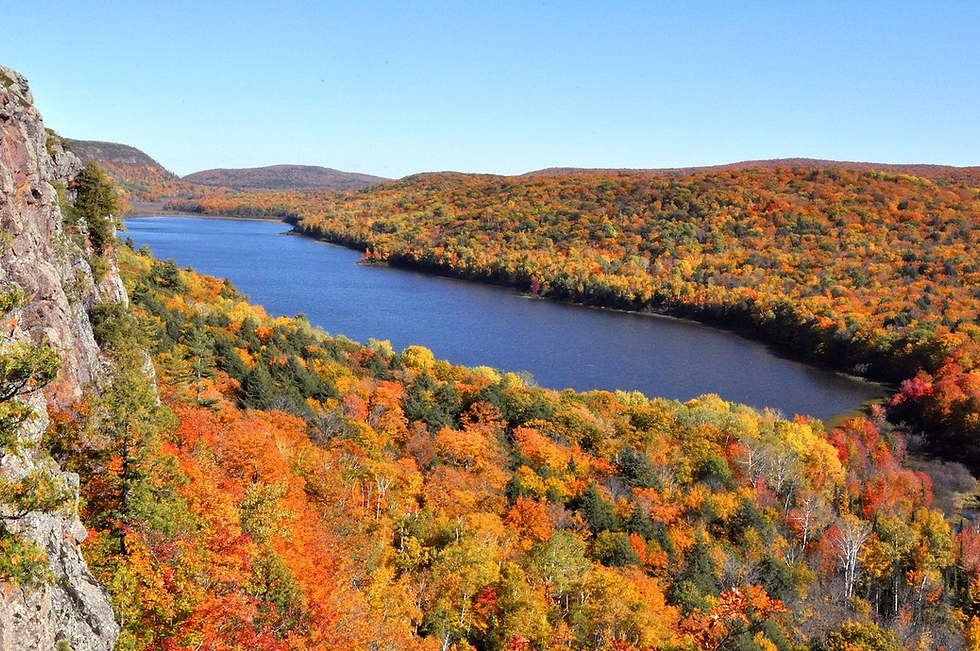
Discovering the Landscape and Natural Features
The Porcupine Mountains are among the oldest mountain ranges in North America, shaped by glaciers and time. Visitors will find dense hardwood and conifer forests, old-growth trees, and a variety of wildlife. The park’s terrain includes steep ridges, deep valleys, and crystal-clear lakes.
One of the most popular natural attractions is the Presque Isle River with its series of waterfalls. The river cascades over rocky ledges, creating scenic spots perfect for hiking and photography. The Lake of the Clouds viewpoint offers a breathtaking panoramic view of the forested hills and water below, especially vibrant during the fall foliage season.
Hiking Trails for Every Level
Porcupine Mountains Wilderness State Park features over 90 miles of hiking trails. These range from easy walks to challenging backcountry routes. Some notable trails include:
Lake of the Clouds Trail: A moderate 3.2-mile round trip that leads to the famous overlook.
Escarpment Trail: A longer 8-mile trail that follows the edge of the mountains with stunning views.
Manido Falls Trail: A short, family-friendly path to a beautiful waterfall.
Hikers should prepare for varying terrain and weather conditions. Trail maps are available at the park visitor center, and it’s wise to bring water, snacks, and proper footwear.
Wildlife Watching Opportunities
The park is home to a variety of animals, including black bears, white-tailed deer, moose, and many bird species. Early-morning or late-evening hikes increase the chance of spotting wildlife. Birdwatchers can enjoy sightings of eagles, hawks, and songbirds. Remember to keep a respectful distance from animals and follow park guidelines to protect the ecosystem.
Camping and Accommodations
For those wanting to immerse themselves fully in nature, the park offers several campgrounds with sites for tents and RVs. The Presque Isle Campground is the largest, providing access to hiking trails and the river. Backcountry camping is also allowed with a permit, offering a more secluded experience.
If camping is not preferred, nearby towns such as Ontonagon and Silver City provide lodging options, including cabins, motels, and bed-and-breakfasts.
Seasonal Activities and Events
Porcupine Mountains Wilderness State Park is a year-round destination. In summer, visitors enjoy hiking, fishing, kayaking, and swimming in Lake Superior. Fall brings spectacular colors and cooler temperatures ideal for outdoor exploration.
Winter transforms the park into a snowy playground. Cross-country skiing and snowshoeing are popular, with groomed trails available. The quiet, snow-covered forest offers a peaceful retreat from busy city life.
The park also hosts educational programs and guided hikes during peak seasons. These events provide insights into the park’s natural history, geology, and wildlife.
Tahquamenon Falls State Park
Tahquamenon Falls State Park offers one of Michigan’s most stunning natural attractions. Located in the Upper Peninsula, this park draws visitors with its impressive waterfalls, lush forests, and abundant wildlife. Whether you are an avid hiker, a nature photographer, or simply looking for a peaceful escape, Tahquamenon Falls State Park offers a memorable experience showcasing the raw beauty of Michigan’s wilderness.
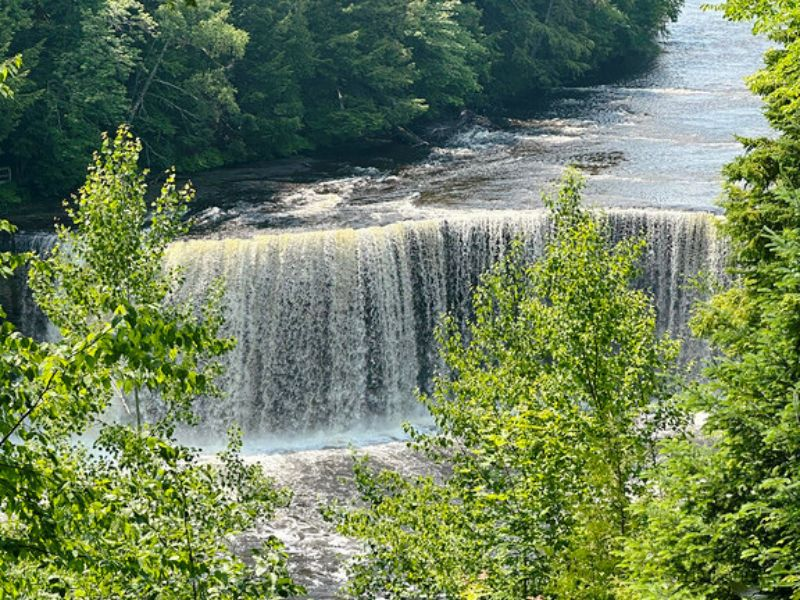
Discover the Waterfalls
The park is best known for its two main waterfalls: the Upper Falls and the Lower Falls. The Upper Falls is one of the largest waterfalls east of the Mississippi River, with water cascading over 50 feet and spanning nearly 200 feet wide. The water’s amber color comes from tannins leached from the surrounding cedar swamps, giving the falls a unique and captivating appearance.
The Lower Falls consists of five smaller cascades spread across a quarter-mile stretch of the Tahquamenon River. Visitors can reach the Lower Falls by hiking or taking a shuttle service during the busy season. Both falls offer excellent photo opportunities and peaceful spots to enjoy the sound of rushing water.
Hiking Trails and Outdoor Activities
Tahquamenon Falls State Park features over 20 miles of hiking trails that wind through dense forests and along the river. Trails vary in difficulty, making it easy for visitors of all skill levels to explore the area. Popular routes include the River Trail, which connects the Upper and Lower Falls, and the Gorge Overlook Trail, offering panoramic views of the Upper Falls.
The Upper Falls Trail offers easy access to the largest waterfalls east of the Mississippi, with boardwalks and viewing platforms.
Trail length: 1 mile (Upper Falls Trail)
Difficulty: Easy
Highlights: Tahquamenon Falls, boardwalks, forest scenery
For a more extended hike, the Lower Falls Trail covers about 4 miles and passes through wetlands and forested areas, ending at the picturesque Lower Falls.
In addition to hiking, the park supports other outdoor activities such as fishing, canoeing, and birdwatching. The Tahquamenon River is home to several fish species, including trout and smallmouth bass, attracting anglers throughout the year. Canoeing along the river provides a peaceful way to experience the park’s natural beauty from a different perspective.
Seasonal Highlights
Each season brings a different charm to Tahquamenon Falls State Park. Spring and early summer are ideal for witnessing the falls at their fullest, thanks to snowmelt and seasonal rains. Fall is a spectacular time for visitors who want to see the forest’s vibrant colors reflected in the river and waterfalls. Winter transforms the park into a snowy wonderland, where frozen waterfalls create breathtaking ice formations. Snowshoeing and cross-country skiing are popular activities during the colder months.
Visitor Facilities and Tips
The park offers several amenities to make your visit comfortable and enjoyable. There is a visitor center near the Upper Falls with exhibits about the park’s natural history and local wildlife. Restrooms, picnic areas, and a gift shop are also available. For those planning to stay overnight, the park has campgrounds with sites suitable for tents and RVs.
To make the most of your visit, consider arriving early in the day, especially during peak seasons, to avoid crowds. Wear sturdy hiking shoes and bring insect repellent during warmer months. If you plan to explore the Lower Falls, check shuttle schedules or prepare for a moderate hike.
Wildlife and Nature Observation
Tahquamenon Falls State Park is home to a variety of wildlife species. Deer, black bears, and foxes inhabit the forested areas, while birdwatchers can spot eagles, hawks, and woodpeckers. The park’s diverse ecosystems support many plant species, including wildflowers, ferns, and towering pines.
Visitors interested in nature observation should bring binoculars and a camera with a zoom lens. Early morning or late afternoon are the best times to see wildlife, as animals tend to be more active during these periods.
Getting There and Nearby Attractions
The park is located about 70 miles northeast of Sault Ste. Marie, Michigan. It is accessible by car via Highway M-123, which runs through the park. Nearby towns like Paradise and Newberry offer dining and lodging options for visitors.
While in the area, consider visiting the nearby Whitefish Point, home to the Great Lakes Shipwreck Museum, or exploring the scenic Lake Superior shoreline. These attractions complement a trip to Tahquamenon Falls State Park and provide additional opportunities to experience Michigan’s natural and cultural heritage.
Hartwick Pines State Park
Hartwick Pines State Park offers one of Michigan’s most impressive natural experiences. Located in the northern part of the Lower Peninsula, this park is a sanctuary for those who appreciate old-growth forests, peaceful trails, and a glimpse into the region’s logging history. Visitors can explore towering white pines, hike scenic paths, and enjoy a variety of outdoor activities that bring them closer to nature.

Explore the Old-Growth Forest
One of the main attractions at Hartwick Pines State Park is its old-growth forest. This area contains some of the last remaining virgin white pines in Michigan, with trees that have stood for over 300 years. Walking through this forest feels like stepping back in time. The towering pines create a canopy that filters sunlight, casting a serene glow on the forest floor.
The park’s Old Growth Forest Trail is an easy 1.2-mile loop that allows visitors to experience this unique ecosystem up close. Along the trail, interpretive signs explain the importance of these trees and the efforts to preserve them. This trail is suitable for all ages and offers a peaceful walk surrounded by nature’s grandeur. The park also offers longer trails for those who want to explore deeper into the forest and spot wildlife like deer and birds.
Hiking and Outdoor Activities
Hartwick Pines State Park features over 14 miles of hiking trails that vary in difficulty and scenery. Whether you want a short stroll or a longer trek, there’s a path for you. Some trails wind through dense forest, while others lead to open meadows or along the Au Sable River.
In addition to hiking, the park offers opportunities for:
Cross-country skiing in winter on groomed trails
Snowshoeing through quiet snowy woods
Bird watching, with species like woodpeckers, warblers, and owls commonly spotted
Fishing in the nearby Au Sable River, known for its trout population
These activities make Hartwick Pines a year-round destination for outdoor enthusiasts.
Discover the Logging History
Hartwick Pines State Park is not only about natural beauty but also about history. The park includes the Forest Resources Museum, which showcases Michigan’s logging past. Exhibits feature antique tools, machinery, and photographs that tell the story of the logging industry that once dominated the area.
Visitors can also see a working sawmill and watch demonstrations of traditional logging techniques. This hands-on experience helps people understand the hard work and skill required to harvest timber in the early 20th century.
Camping and Facilities
For those who want to extend their visit, the park offers a campground with over 200 sites. Many sites are shaded by tall trees, providing a cool and comfortable setting for tents or RVs. The campground includes modern amenities such as flush toilets, showers, and a camp store.
There are also picnic areas with tables and grills, perfect for a family outing or a quiet lunch surrounded by nature. The park’s visitor center provides maps, information, and helpful staff ready to assist with planning your visit.
Experience Michigan’s Natural Heritage
Hartwick Pines State Park offers a rare chance to see old-growth forests and learn about the state’s logging history in one place. It’s a destination that appeals to families, hikers, history buffs, and anyone who wants to connect with nature. The park’s combination of natural beauty, outdoor activities, and educational opportunities makes it a must-visit spot in Michigan.
Plan your visit to Hartwick Pines and discover the quiet strength of these ancient trees and the stories they hold. Whether you spend a few hours or several days, the park promises a memorable experience that highlights the best of Michigan’s wilderness.
North Higgins Lake State Park
North Higgins Lake State Park offers visitors a chance to experience some of Michigan’s most beautiful natural settings. Located on the northern shore of Higgins Lake, this state park combines clear waters, sandy beaches, and lush forests, making it a perfect destination for outdoor enthusiasts and families alike. Whether you want to swim, hike, or relax, North Higgins Lake State Park has something to offer.

Discovering the Lake and Beaches
Higgins Lake is known for its crystal-clear water and sandy bottom, which creates ideal conditions for swimming and water activities. The park’s beach area provides ample space for visitors to spread out and enjoy the sun. The water tends to stay cool even in summer, making it refreshing on hot days.
Visitors often enjoy:
Swimming in the clean, shallow waters near the shore
Kayaking or paddleboarding across the calm lake surface
Fishing for species like trout and bass, popular in Higgins Lake
The park’s shoreline is well-maintained, with picnic tables and grills nearby, so you can easily plan a full day by the water. The gentle slope of the beach makes it safe for children to play and wade.
Hiking Trails Through Michigan’s Forests
Beyond the Lake, North Higgins Lake State Park features several hiking trails that wind through dense forests of pine, oak, and maple. These trails vary in length and difficulty, offering options for casual walkers and more experienced hikers.
Some highlights include:
A loop trail that passes through mixed hardwood forests, perfect for birdwatching and spotting local wildlife
Paths that lead to scenic overlooks, offering views of Higgins Lake and the surrounding landscape
Trails with interpretive signs that explain the local ecosystem and the history of the area
The forest floor is often carpeted with wildflowers in spring and summer, adding color to your hike. Fall visitors will find the changing leaves especially striking, with vibrant reds and golds.
This park offers a variety of trails around Higgins Lake, known for its clear waters and sandy beaches. The Higgins Lake Trail is a 4-mile loop that takes hikers through mixed forests and along the shoreline.
Trail length: 4 miles
Difficulty: Easy to moderate
Highlights: Lake views, mixed forest, wildlife sightings
The trail is family-friendly and perfect for a day hike with opportunities to swim or picnic along the way.
Camping and Facilities
For those who want to extend their stay, the park offers well-equipped campgrounds. Sites include options for tents and RVs, with access to water and electricity. Campers appreciate the clean restrooms and shower facilities, which make overnight stays comfortable.
The park also has:
A playground for children
A boat launch for easy access to Higgins Lake
Picnic areas with shelters that can be reserved for group gatherings
Camping at North Higgins Lake State Park allows visitors to enjoy the peaceful sounds of nature after the crowds have left the beach.
Wildlife and Nature Observation
The park’s diverse habitats support a variety of wildlife. Birdwatchers can spot species such as bald eagles, ospreys, and woodpeckers. Small mammals like squirrels and chipmunks are common along the trails.
If you visit early in the morning or near dusk, you might see deer grazing near the forest edge. The Lake itself attracts turtles and frogs, adding to the rich biodiversity.
Visitors are encouraged to bring binoculars and cameras to capture these moments, but it’s important to observe wildlife from a respectful distance.
Planning Your Trip
North Higgins Lake State Park is open year-round, but the best time to visit depends on your interests. Summer offers warm weather for swimming and boating, while fall provides stunning foliage and quieter trails. Winter visitors can enjoy snowshoeing or cross-country skiing in the surrounding areas, though the park’s facilities may be limited.
Nearby towns offer additional amenities such as restaurants, shops, and water sports equipment rentals. This makes it easy to combine a day at the park with other local attractions.
The Manistee River Trail
The Manistee River Trail in Michigan offers a unique outdoor experience that combines scenic views, diverse wildlife, and peaceful forest surroundings. This trail is a favorite for hikers, nature lovers, and anyone looking to escape into the quiet beauty of the Michigan wilderness. Whether you are an experienced hiker or a casual walker, the Manistee River Trail provides a refreshing way to connect with nature.

Overview of the Manistee River Trail
The Manistee River Trail stretches approximately 23 miles along the Manistee River, winding through dense forests and alongside the riverbanks. It is located in the Manistee National Forest, a protected area known for its rich biodiversity and natural beauty. The trail is well-marked and maintained, making it accessible for most skill levels.
Hikers can expect to see a variety of landscapes, including hardwood forests, wetlands, and river views. The trail is mostly flat, with some gentle hills, making it suitable for families and those looking for a moderate hike. Along the way, there are several campsites and rest areas for those who want to extend their visit.
What to Expect on the Trail
Walking the Manistee River Trail means immersing yourself in a peaceful environment. The sound of the river flowing nearby accompanies much of the hike, creating a calming atmosphere. The trail passes through areas rich in wildlife, so keep an eye out for deer, birds, and small mammals.
The trail also features several river crossings via footbridges, adding a bit of adventure and variety to the hike. These crossings offer excellent spots for photography or for pausing to enjoy the view. The river itself is clear and often calm, making it a perfect backdrop for a break or a picnic.
Best Times to Visit
The Manistee River Trail is open year-round, but the best times to visit are late spring through early fall. During these months, the weather is mild, and the forest is vibrant with green foliage. Fall is especially popular because of the colorful leaves that paint the landscape in shades of red, orange, and yellow.
Winter visits are possible but require preparation for snow and colder temperatures. The trail can be used for snowshoeing or cross-country skiing during this season, offering a different but equally beautiful experience.
Nearby Attractions and Activities
After exploring the Manistee River Trail, visitors can enjoy other nearby attractions. The Manistee National Forest offers additional hiking trails, fishing spots, and picnic areas. The nearby town of Manistee has charming shops, restaurants, and historical sites worth visiting.
For those interested in water activities, the Manistee River is popular for kayaking and canoeing. Renting a kayak or canoe provides a different perspective of the river and the surrounding forest.
Why the Manistee River Trail Stands Out
What makes the Manistee River Trail special is its combination of accessibility and natural beauty. It offers a quiet retreat without the crowds found in more famous parks. The trail’s connection to the river adds a dynamic element that enhances the hiking experience.
The trail also supports a healthy ecosystem, and visitors often remark on the variety of plants and animals seen along the way. This makes it a great destination for photographers, bird watchers, and anyone interested in nature study.
Tips for Hiking in Michigan
Check trail conditions before heading out, especially in spring and fall when the weather can be unpredictable.
Bring water and snacks, as some trails have limited access to amenities.
Wear sturdy footwear suitable for mixed terrain,n including sand, rocks, and mud.
Respect wildlife and plants by staying on marked trails and packing out all trash.
Plan for changing weather by dressing in layers and carrying rain gear.
Final Thoughts on Hiking in Michigan
Michigan’s geography is unique, featuring two peninsulas surrounded by the Great Lakes. This setting creates a variety of landscapes that change with every trail you explore. You can hike through:
Dense hardwood forests filled with towering maples and oaks
Sandy dunes along Lake Michigan’s shoreline offer panoramic water views.
Wetlands and marshes are alive with birdlife and wildflowers.
Rolling hills and cliffs that provide challenging terrain and stunning overlooks
For example, the Porcupine Mountains Wilderness State Park in the Upper Peninsula offers rugged trails through old-growth forests and along Lake Superior’s rocky shore. Meanwhile, the Sleeping Bear Dunes National Lakeshore features towering dunes that rise dramatically from the Lake, creating a unique hiking experience.
Michigan’s hiking trails cater to all levels of experience. Whether you want a short, easy walk or a multi-day backpacking trip, you will find a trail that fits your needs. Some popular options include:
Easy trails like the Boardman Lake Trail in Traverse City are perfect for families and casual walkers.
Moderate hikes such as the North Country Trail segments, which offer a mix of terrain and scenic views
Challenging routes like the Manistee River Trail, where hikers can test their endurance while enjoying the remote wilderness
Many trails also feature interpretive signs and natural landmarks, making them educational for those interested in local history and ecology.
Hiking in Michigan is a year-round activity, with each season offering a different experience:
Spring brings wildflowers and fresh greenery.
Summer offers warm weather and lush forests.
Fall showcases vibrant foliage in reds, oranges, and yellows.
Winter transforms trails into snowy wonderlands for snowshoeing and cross-country skiing.
Fall is especially popular for hiking because of the spectacular color changes in the forests. Trails like the Pictured Rocks National Lakeshore provide breathtaking views of cliffs and waterfalls framed by autumn leaves.
Explore Michigan’s Hiking Trails Today
Michigan’s hiking trails offer a perfect blend of natural beauty, diverse terrain, and accessible adventure. Whether you want to escape the city for a few hours or embark on a longer wilderness trek, Michigan has a trail waiting for you. Discover the state’s forests, dunes, lakeshores, and wildlife on foot and experience the outdoors like never before.
You can show your appreciation with a virtual coffee if you have found value in my blog.

Do not forget to subscribe to get my monthly newsletter.
Some of the links found on my website are affiliate links. I earn from qualifying purchases as an Amazon Associate and an Expedia Associate. Through other links, I may also receive a small commission at no extra cost to you. Using them supports me, helps offset the cost of running this website, and ensures I can continue to provide free content and resources.
I truly appreciate the support!


Comments