


Top Must-Do Activities in Chincoteague, Virginia

Updated: Aug 8
If you enjoy this blog post, consider subscribing to get my newsletter.
Comments are always welcome and appreciated.
Chincoteague, Virginia, offers a unique blend of natural beauty, wildlife, and small-town charm that draws visitors year-round. Whether you’re a nature lover, history buff, or just looking for a peaceful getaway, this island town has something special to offer. Here are the top 10 activities you should not miss when visiting Chincoteague.

Explore Chincoteague National Wildlife Refuge
Chincoteague National Wildlife Refuge offers some of the most captivating hiking experiences on the East Coast. With its diverse ecosystems, from salt marshes to maritime forests, the refuge invites hikers to explore nature’s beauty while spotting unique wildlife. Whether you are a seasoned hiker or a casual nature lover, the trails here provide a perfect escape into the outdoors.
Discovering the Refuge’s Unique Landscape
The refuge spans over 14,000 acres, including parts of Assateague Island, known for its wild ponies and pristine beaches. Hiking here means walking through a variety of habitats:
Salt Marshes: These wetlands are rich with birdlife and marine creatures.
Maritime Forests: Tall pines and oaks create shaded paths.
Sandy Beaches: Open views of the Atlantic Ocean and opportunities to spot shorebirds.
Each trail offers a different perspective on the refuge’s natural environment, making every hike a new adventure.
Popular Hiking Trails to Explore
Several well-marked trails cater to different skill levels and interests. Here are some favorites:
Wildlife Loop Trail
This 3.5-mile loop is ideal for spotting birds, deer, and the famous Chincoteague ponies. The trail winds through marshes and forested areas, offering a mix of sun and shade. Bring binoculars for better wildlife viewing.
Beach Trail
Stretching along the oceanfront, this trail provides stunning views of the Atlantic and the chance to walk on soft sand. It’s a great spot for a peaceful stroll or a picnic by the water.
Life of the Marsh Trail
A shorter, 1.5-mile trail that takes hikers through salt marshes and tidal creeks. Interpretive signs along the way explain the importance of this ecosystem and the species that depend on it.

Tips for a Safe and Enjoyable Hike
To make the most of your hiking adventure at Chincoteague National Wildlife Refuge, keep these tips in mind:
Check the Weather: Coastal weather can change quickly. Dress in layers and bring rain gear if needed.
Wear Proper Footwear: Trails can be sandy or muddy, so sturdy hiking shoes are recommended.
Bring Water and Snacks: There are no services inside the refuge, so carry enough supplies.
Respect Wildlife: Observe animals from a distance and do not feed them.
Stay on Marked Trails: This helps protect the environment and keeps you safe.
Seasonal Highlights and Wildlife Watching
Different seasons bring unique experiences to the refuge. Spring and fall are excellent for birdwatching during migration periods. Summer offers warm beach hikes and chances to see nesting shorebirds. Winter trails are quieter, providing solitude and a chance to spot deer and other mammals.
The refuge is home to over 300 species of birds, including ospreys, herons, and egrets. The wild ponies roam freely, especially near the Wildlife Loop Trail, making them a popular sight for hikers.
Planning Your Visit
The refuge is open year-round, with visitor centers providing maps and information. Parking is available near trailheads, but it can fill up quickly during peak seasons. Arriving early helps secure a spot and enjoy the trails before crowds arrive.
Remember to bring a map or download one from the refuge’s official website. Cell service may be limited in some areas, so having a physical or offline map is useful.
Supporting Conservation Efforts
Chincoteague National Wildlife Refuge relies on visitors to help protect its delicate ecosystems. Follow Leave No Trace principles by packing out all trash and minimizing your impact. Consider volunteering or donating to support ongoing conservation projects that keep the refuge beautiful and accessible.
Watch the Wild Ponies on Assateague Island
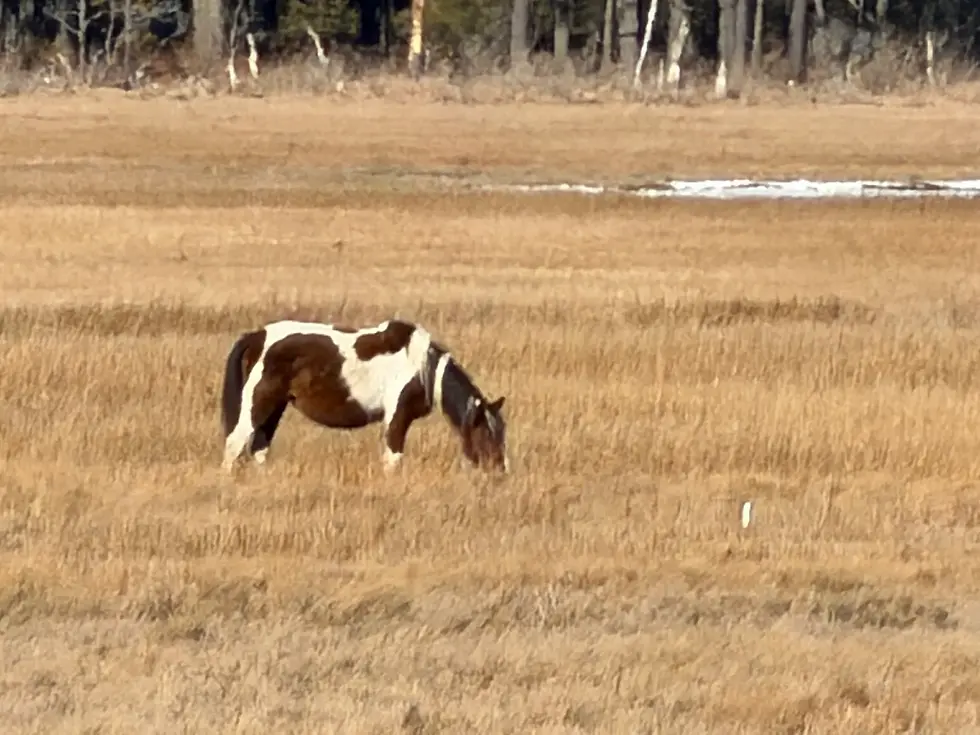
The wild ponies of Assateague Island have captured the imagination of visitors for decades. These iconic animals roam freely across the barrier island that stretches along the coasts of Maryland and Virginia. Their presence adds a unique charm to the island’s natural beauty and offers a glimpse into a rare and enduring wildlife story. Understanding these ponies, their history, and their habitat reveals why they remain a beloved symbol of Assateague Island.
Origins of the Assateague Ponies
The exact origins of the wild ponies on Assateague Island are debated. Still, most historians agree they descend from domesticated horses brought to the island by early settlers or shipwrecked Spanish horses in the 1600s. Over time, these horses adapted to the island’s harsh environment, developing traits that helped them survive without human care.

The ponies are smaller than typical horses, standing about 13 to 14 hands high, which classifies them as ponies rather than full-sized horses. Their size helps them navigate the island’s sandy terrain and dense vegetation. The ponies have thick coats that protect them during cold winters and hot summers.
Life on the Island
Assateague Island offers a challenging environment for the ponies. The island is a mix of sandy beaches, salt marshes, and maritime forests. Food sources vary seasonally, with the ponies grazing on grasses, beach plants, and shrubs. Freshwater is limited, so the ponies rely on rainwater pools and natural springs.
The ponies live in small herds, usually led by a dominant stallion. These herds consist of mares and their foals. Stallions fiercely defend their territory and mates, which helps maintain the herd’s structure. The social behavior of the ponies is fascinating to observe, as they communicate through body language, vocalizations, and grooming.
Conservation and Management
The wild ponies of Assateague Island are protected by both Maryland and Virginia state agencies, as well as the National Park Service. The island is divided between the Assateague State Park in Maryland and the Chincoteague National Wildlife Refuge in Virginia. Each side has its own management practices to ensure the ponies’ health and the island’s ecosystem balance.
One of the biggest challenges is controlling the pony population. Without natural predators, the ponies can reproduce rapidly, which risks overgrazing and damaging the island’s fragile environment. To address this, wildlife managers use a method called “Pony Penning,” an annual event in which some ponies are rounded up, and a few are auctioned to keep the population in check.
Visiting Assateague Island to See the Ponies
Assateague Island is a popular destination for nature lovers, photographers, and families. Visitors can see the ponies in their natural habitat by hiking, biking, or driving along designated trails and roads. The Maryland side offers campgrounds and visitor centers with educational exhibits about the ponies and the island’s ecosystem.
When observing the ponies, it’s important to keep a safe distance. The ponies are wild animals and can be unpredictable. Feeding or approaching them can harm both the ponies and visitors. Respecting their space helps ensure the ponies remain wild and healthy.
The Ponies’ Role in the Ecosystem
The ponies play a vital role in maintaining the island’s ecosystem. Their grazing helps control vegetation growth, which supports a variety of other wildlife species. By moving across different parts of the island, the ponies contribute to seed dispersal and soil aeration.
At the same time, the island’s environment shapes the ponies. The salty air, sandy soil, and limited freshwater create a unique habitat that influences their behavior and physical traits. This interaction between the ponies and their environment makes Assateague Island a living example of nature’s balance.
Challenges Facing the Ponies
Despite protections, the ponies face ongoing challenges. Climate change and rising sea levels threaten the island’s landscape, potentially reducing available habitat. Increased tourism can also stress the ponies if visitors do not follow guidelines.
Disease outbreaks and limited genetic diversity are concerns for the ponies’ long-term health. Wildlife managers monitor the population closely and conduct health checks to prevent serious problems.
Why the Assateague Ponies Matter
The wild ponies of Assateague Island are more than just a tourist attraction. They represent resilience and adaptation in a changing environment. Their story connects people to nature and history, reminding us of the importance of protecting wild places and animals.
For those who visit or learn about the ponies, the experience often inspires a deeper appreciation for wildlife conservation. The ponies show how humans and nature can coexist when respect and care guide our actions.

Visit the Chincoteague Museum
Chincoteague Island has a history that stretches back centuries. Originally inhabited by Native American tribes, the island later became a hub for fishing, boat building, and oyster harvesting. The museum captures this evolution with artifacts and displays that highlight the island’s maritime roots and the daily lives of its early residents.
Visitors learn about the island’s transformation from a quiet fishing village to a popular tourist destination. The museum also explains how the community has balanced development with the preservation of its natural surroundings, including the nearby Assateague Island National Seashore.
Highlights of the Museum Exhibits
The Chincoteague Museum features several permanent and rotating exhibits that showcase different aspects of island life:
Wild Ponies and the Pony Swim
The museum tells the story of the Chincoteague ponies, descendants of wild horses that have roamed the nearby Assateague Island for centuries. Exhibits include photographs, historical accounts, and artifacts related to the annual Pony Swim event, where ponies swim across the channel to Chincoteague Island. This tradition draws visitors from all over and is a key part of the island’s identity.
Maritime Heritage
Displays focus on the island’s fishing industry, boat-building techniques, and the lives of watermen who have worked the surrounding waters. Tools, models, and oral histories help visitors understand the challenges and rewards of this way of life.
Local Culture and Art
The museum also celebrates the island’s artistic community, featuring works by local painters, photographers, and craftspeople. These pieces reflect the natural beauty and cultural richness of Chincoteague.
Educational Programs and Events
The museum offers a variety of educational programs designed for all ages. School groups can participate in guided tours that bring history to life through interactive activities. Workshops and lectures cover topics such as wildlife conservation, island ecology, and local folklore.
Seasonal events, including special exhibits and community celebrations, provide opportunities for visitors to engage with the island’s heritage in a lively setting. These programs help foster a deeper appreciation for Chincoteague’s unique environment and history.
Planning Your Visit
The Chincoteague Museum is located near the heart of the island, making it easy to include in your travel itinerary. It is open year-round, with hours that accommodate both locals and tourists. Admission fees are reasonable, and the staff is known for being welcoming and knowledgeable.
Nearby attractions include the Chincoteague National Wildlife Refuge and the Assateague Lighthouse, both of which complement the museum experience by offering outdoor exploration and scenic views.
Why the Museum Matters Today
The Chincoteague Museum plays a crucial role in preserving the island’s heritage for future generations. It connects visitors to the stories and traditions that define the community, while also promoting awareness of environmental issues affecting the region.
By visiting the museum, you support efforts to maintain the island’s cultural and natural resources. You also gain a richer understanding of how people and nature have shaped each other on Chincoteague Island.
Enjoy Fresh Seafood at Local Restaurants
Chincoteague is known for its fresh seafood, especially oysters, clams, and blue crabs. The island’s restaurants serve up delicious dishes made from locally sourced ingredients.
Try steamed oysters or crab cakes at popular spots like Bill’s Seafood or The Crab Shack.
Sample the daily catch prepared with regional flavors.
Visit during the Chincoteague Oyster Festival for a seafood celebration.
Dining here offers a taste of the island’s coastal culture and culinary traditions.
Kayak Through the Marshes and Bays
Paddling a kayak through Chincoteague’s waterways is a peaceful way to explore the island’s natural beauty up close.
Rent a kayak from local outfitters like Assateague Island Kayak Tours.
Paddle through salt marshes, tidal creeks, and calm bays.
Spot wildlife such as herons, turtles, and even dolphins.
Kayaking offers a quiet adventure and a chance to see parts of the island inaccessible by foot or car.
Visit the Chincoteague Island Lighthouse
Chincoteague Island Lighthouse stands as a quiet guardian on Virginia’s Eastern Shore, offering visitors a glimpse into maritime history alongside stunning coastal views. This lighthouse is more than a navigational aid; it is a symbol of resilience and a window into the island’s rich past. Exploring this landmark reveals stories of the sea, the people who kept the light burning, and the surrounding natural beauty.

The Origins of Chincoteague Island Lighthouse
The Chincoteague Island Lighthouse was first lit in 1859. It was built to guide ships safely through the treacherous waters of the Atlantic Ocean and the nearby channels. At that time, the Eastern Shore was a hub for fishing and shipping, making the lighthouse essential for maritime safety.
The original structure was a 142-foot-tall white-brick tower, designed to be visible from miles away. Its light helped prevent shipwrecks on the shifting sandbars and shallow waters around the island. Over the years, the lighthouse has witnessed many changes, including technological upgrades and weather challenges.
Architecture and Design Features
The lighthouse’s design reflects the practical needs of the 19th century. Its cylindrical shape and sturdy brick construction helped it withstand harsh coastal storms. The tower’s height was carefully chosen to maximize visibility without being vulnerable to strong winds.
Inside, the lighthouse originally housed a Fresnel lens, a revolutionary invention that focused light into a powerful beam. This lens allowed light to reach farther, improving safety for sailors. The keeper’s quarters, attached to the tower, provided living space for the lighthouse keepers and their families, who maintained the light around the clock.
Life of the Lighthouse Keepers
Maintaining the Chincoteague Island Lighthouse was a demanding job. Keepers had to ensure the light was lit every night, clean the lens, and wind the clockwork mechanism that rotated the light. They also had to monitor weather conditions and report any maritime incidents.
The keepers lived in relative isolation, especially during storms or harsh winters. Their dedication ensured that the light never went out, saving countless lives. Stories from former keepers and their families reveal a close-knit community bound by duty and respect for the sea.
The Lighthouse Today
Today, the Chincoteague Island Lighthouse is no longer an active navigational aid but serves as a historic site open to visitors. The lighthouse was automated in the 1940s, and the original Fresnel lens was replaced with modern lighting equipment.
Visitors can climb the 131 steps to the top of the tower, where panoramic views of Chincoteague Island, Assateague Island, and the surrounding waters await. The climb offers a unique perspective on the island’s natural beauty and the role the lighthouse played in maritime navigation.
Exploring the Surrounding Area
Chincoteague Island itself is famous for its wild ponies, sandy beaches, and wildlife refuges. After visiting the lighthouse, many travelers explore the nearby Assateague Island National Seashore, known for its unspoiled coastline and diverse ecosystems.
The island’s small town offers charming shops, seafood restaurants, and museums that highlight local history and culture. Visitors often combine a lighthouse tour with kayaking, birdwatching, or simply relaxing by the water.
Preserving a Coastal Treasure
Efforts to preserve the Chincoteague Island Lighthouse have involved local organizations and volunteers dedicated to maintaining its structure and history. Preservation work includes restoring the brickwork, repainting the tower, and protecting the surrounding grounds.
These efforts ensure that future generations can experience the lighthouse and understand its importance to the island’s maritime heritage. Educational programs and guided tours help visitors appreciate the lighthouse’s role and the challenges faced by those who kept the light burning.
Final Thoughts on Chincoteague Island Lighthouse
The Chincoteague Island Lighthouse offers more than just a scenic stop; it connects visitors to a vital part of coastal history. Its sturdy presence reminds us of the hard work and dedication required to keep sailors safe. Exploring the lighthouse and its surroundings provides a meaningful experience that combines history, nature, and community.
Take a Boat Tour to Spot Dolphins and Wildlife
Boat tours departing from Chincoteague offer a chance to see marine life and explore nearby waters.
Choose from dolphin-watching cruises or eco-tours.
Learn about the local ecosystem from knowledgeable guides.
Bring a camera to capture dolphins, seabirds, and other wildlife.
These tours provide a fun and educational way to experience the island’s marine environment. Here are the ones I recommend.
Relax on Chincoteague Beaches
Chincoteague Island is often celebrated for its wild ponies and charming small-town vibe, but its beaches hold a quiet magic that many visitors overlook. These shores offer more than just sand and surf—they provide a peaceful escape, rich wildlife, and unique natural beauty. If you’re planning a trip or just curious about this coastal treasure, exploring the hidden gems of Chincoteague beaches will reveal why this destination stands apart.

Quiet Beaches Away from the Crowds
Unlike more commercialized beach destinations, Chincoteague’s beaches maintain a serene atmosphere. The island’s layout and protected status help keep the crowds thin, especially during weekdays and outside peak summer months. For those seeking solitude, Assateague Island National Seashore is a must-visit. This stretch of beach offers miles of undeveloped shoreline where you can walk for hours without seeing many people.
Visitors often find that early mornings and late afternoons are the best times to enjoy the calm waves and soft sand. The gentle sound of the ocean, combined with the absence of loud crowds, creates a perfect setting for relaxation or reflection.
Wildlife Encounters on the Shore
Chincoteague beaches are not just about the sand and water—they are also home to diverse wildlife. Bird watchers will appreciate the variety of species that frequent the area, including herons, ospreys, and migratory shorebirds. The island’s location along the Atlantic Flyway makes it a prime spot for observing birds during migration seasons.
One of the most famous residents of the area is the wild Chincoteague pony. While the ponies mostly roam the nearby marshes and Assateague Island, it’s not uncommon to spot them near the beach edges, especially during cooler months. These gentle animals add a unique charm to the beach experience.
Activities Beyond Sunbathing
Chincoteague beaches offer more than just lounging in the sun. Visitors can enjoy a variety of outdoor activities that highlight the natural environment:
Kayaking and Paddleboarding: The calm waters around the island are perfect for paddling. Rentals are available locally, and exploring the marshes by kayak offers a close-up view of the ecosystem.
Fishing: Both surf fishing and pier fishing are popular. Anglers often catch species like striped bass, bluefish, and flounder.
Beachcombing: The shoreline is scattered with shells, sea glass, and sometimes even fossils. Walking the beach with a keen eye can be rewarding.
Photography: The natural light and scenic views provide excellent opportunities for photographers, especially during sunrise and sunset.
Best Spots to Visit on Chincoteague Beaches
While the entire island offers beautiful beaches, some spots stand out for their unique features:
Beebe Beach: Located near the town center, this beach is easily accessible and family-friendly. It has picnic areas and calm waters ideal for children.
Wildlife Loop Trail Beach: This area combines hiking with beach access. After a walk through the marshes, you can relax on the nearby sandy shore.
Assateague Island: Just a short drive or bike ride away, this national seashore offers pristine beaches and the chance to see wild ponies in their natural habitat.
Each location has its own character, so exploring multiple spots can give you a fuller picture of what Chincoteague beaches have to offer.
Experience Chincoteague’s Natural Beauty
Chincoteague beaches invite visitors to slow down and connect with nature. Whether you’re watching the wild ponies graze near the dunes, spotting a rare bird, or simply feeling the sand between your toes, these shores offer a refreshing break from busy life. The island’s blend of quiet beaches, wildlife, and outdoor activities creates a memorable coastal experience.
Shop for Local Art and Crafts
Chincoteague has a vibrant local arts scene with galleries and shops featuring handmade crafts, paintings, and souvenirs.
Browse galleries like Gallery 12 or the Chincoteague Island Arts Organization.
Find unique gifts such as pottery, jewelry, and coastal-themed art.
Meet local artists during open studio events.
Shopping here supports the community and brings home a piece of the island’s creativity.
Attend the Annual Pony Penning Event
Every summer, a unique tradition unfolds on the shores of Virginia’s Eastern Shore, capturing the hearts of locals and visitors alike. The Chincoteague Pony Penning Event is more than just a spectacle; it’s a celebration of heritage, community, and the wild spirit of the famous Chincoteague ponies. This event offers a rare glimpse into a centuries-old practice that blends excitement, culture, and conservation.
What Is the Chincoteague Pony Penning Event?
The Chincoteague Pony Penning Event takes place annually on Assateague Island and the nearby town of Chincoteague. It involves rounding up wild ponies that roam freely on Assateague Island, swimming them across the channel to Chincoteague, and then auctioning some of the foals to support the local volunteer fire department.
This tradition began in the early 20th century as a way to manage the pony population and raise funds for community services. Today, it draws thousands of spectators who come to witness the ponies’ swim, the auction, and the lively festivities that surround the event.
The History Behind the Event
The story of the Chincoteague ponies dates back to the 1600s when shipwrecked horses are believed to have swum ashore on Assateague Island. Over time, these ponies adapted to the island’s harsh environment, developing unique traits that helped them survive.
The pony penning tradition began as a practical way to control herd size and prevent overgrazing. Local families and the volunteer fire department organized the event, which gradually evolved into a community celebration. The auction proceeds have helped fund fire equipment and other essential services, making the event a vital part of Chincoteague’s identity.
What to Expect at the Event
The Chincoteague Pony Penning Event usually takes place over several days in late July or early August. Here’s what visitors can look forward to:
Pony Swim: The highlight of the event is the swim across the Assateague Channel. The ponies are herded by skilled riders, known as “saltwater cowboys,” who guide them through the water to the mainland. This swim is both thrilling and heartwarming, showcasing the ponies’ strength and the riders’ expertise.
Pony Auction: After the swim, some of the foals are auctioned off in Chincoteague. This auction supports the volunteer fire department and helps maintain the pony herd. It’s a lively event where bidders compete to take home a piece of Chincoteague’s heritage.
Community Festivities: The event includes parades, live music, food vendors, and family-friendly activities. Visitors can explore local shops, enjoy seafood, and learn about the island’s history and wildlife.
Why the Event Matters
The Chincoteague Pony Penning Event is not just entertainment; it plays a crucial role in preserving the pony population and supporting the local community. The auction funds help maintain the herd and protect the island’s delicate ecosystem. The event also raises awareness about wildlife conservation and the importance of balancing human activity with nature.
For many, the event is a chance to connect with a living tradition that honors the relationship between people and animals. It highlights the resilience of the ponies and the dedication of the community that cares for them.
Tips for Visiting the Event
If you plan to experience the Chincoteague Pony Penning Event, here are some practical tips to make the most of your visit:
Arrive Early: The pony swim draws large crowds, so arriving early ensures a good viewing spot.
Bring Comfortable Gear: Wear comfortable shoes and sun protection, as you’ll spend time outdoors.
Explore Beyond the Event: Take time to visit Assateague Island National Seashore, where you can see ponies in their natural habitat and enjoy hiking or beachcombing.
Respect the Ponies: Remember that the ponies are wild animals. Keep a safe distance and follow the guidelines provided by event organizers.
Plan Accommodation: Lodging fills up quickly during the event, so book early if you want to stay nearby.
The Lasting Appeal of the Chincoteague Ponies
The ponies themselves are a big part of the event’s charm. Known for their sturdy build, gentle nature, and unique history, these ponies have inspired books, movies, and generations of fans. Their story is a reminder of how wildlife and human culture can coexist and thrive together.
Visitors often leave with a deeper appreciation for the ponies and the island’s natural beauty. The event creates memories that last a lifetime and encourages stewardship of this special place.
There are many scams on Airbnb and Vrbo; I will not recommend places listed here on my blog. Here is a link to a couple of cases that you can read if you would like to.
Places to Stay:
You can show your appreciation with a virtual coffee if you have found value in my blog.

Do not forget to subscribe to get my monthly newsletter.
Some of the links found on my website are affiliate links. I earn from qualifying purchases as an Amazon Associate and an Expedia Associate. Through other links, I may also receive a small commission at no extra cost to you. Using them supports me, helps offset the cost of running this website, and ensures I can continue to provide free content and resources.
I truly appreciate the support!


Comments