


Must-See Attractions and Activities in Charleston, South Carolina

If you enjoy this blog post, consider subscribing to get my newsletter.
Comments are always welcome and appreciated.
Charleston, South Carolina, offers a rich blend of history, culture, and natural beauty that draws visitors worldwide. Whether you are a history buff, a foodie, or someone who loves scenic views, Charleston has something to offer. This post highlights the top things to do in Charleston to help you plan an unforgettable trip to this charming Southern city.

Explore Historic Downtown Charleston, South Carolina
Historic Downtown Charleston, South Carolina, offers a unique blend of history, culture, and Southern charm that captivates visitors worldwide. Walking through its streets feels like stepping back in time, where cobblestone roads, colorful antebellum houses, and centuries-old landmarks tell stories of the past. This blog post explores the heart of Charleston’s historic district, highlighting its must-see sites, local experiences, and practical tips for making the most of your visit.
Discovering Charleston’s Rich History
Charleston’s historic district is one of the best-preserved in the United States. Founded in 1670, the city played a significant role in American history, from colonial times through the Civil War and beyond. The architecture reflects this rich past, with styles ranging from Georgian and Federal to Greek Revival.
Visitors can explore landmarks such as:
The Battery and White Point Garden: This waterfront promenade offers stunning views of Charleston Harbor and historic mansions. It once served as a defensive seawall protecting the city.
Rainbow Row: A series of thirteen colorful historic houses along East Bay Street, known for their pastel hues and charming shutters.
Historic Churches: Charleston is home to some of America's oldest churches, including St. Michael’s Episcopal Church, built in 1761.
Charleston City Market: A lively market where local artisans sell handmade crafts, sweetgrass baskets, and souvenirs.
Walking tours are a popular way to learn about these sites. Local guides share stories about Charleston’s role in trade, slavery, and the Civil War, providing context that deepens the experience.
Strolling Through Charleston’s Neighborhoods
Historic Downtown Charleston is divided into several neighborhoods, each with its own character:
French Quarter: Known for its art galleries, cobblestone streets, and historic warehouses.
South of Broad: Home to grand mansions and lush gardens, this area showcases the city’s wealth during the 18th and 19th centuries.
Harleston Village: A quieter residential area with charming homes and local parks.
Exploring these neighborhoods on foot or by carriage ride allows visitors to appreciate the city’s layout and architecture. Along the way, you’ll find hidden courtyards, wrought-iron gates, and historic plaques that reveal fascinating details.

Practical Tips for Visiting Downtown Charleston
To enjoy your visit fully, consider these tips:
Best Time to Visit: Spring and fall offer mild weather and fewer crowds. Summer can be hot and humid, while winter is mild but quieter.
Getting Around: Downtown Charleston is very walkable. For longer distances, consider renting a bike or using the free DASH shuttle, which covers key areas.
Where to Stay: Choose accommodations within or near the historic district to maximize your time exploring. Options range from boutique hotels to charming bed-and-breakfasts.
Respect Local Customs: Charleston values its history and community. Dress comfortably but respectfully, especially when visiting churches or historic sites.
Embracing the Southern Hospitality
One of Charleston’s most memorable qualities is its warm hospitality. Locals are proud of their city and eager to share its stories. Whether you’re chatting with a shop owner, dining at a family-run restaurant, or joining a guided tour, you’ll feel welcomed and valued.
This hospitality extends to the city’s pace of life. Downtown Charleston encourages visitors to slow down, savor the moment, and appreciate the blend of past and present.
Historic Downtown Charleston invites travelers to explore a city where history lives in every street and every meal. Its well-preserved architecture, rich culture, and welcoming atmosphere create an experience that stays with you long after you leave. Whether you’re a history buff, a food lover, or simply seeking a charming getaway, Charleston offers something special.
Visit Fort Sumter National Monument
Fort Sumter National Monument tells a powerful chapter of American history. This site marks the place where the first shots of the Civil War were fired, setting the stage for a conflict that shaped the nation. Visiting Fort Sumter offers more than just a glimpse into the past; it provides a chance to understand the complex heritage and enduring legacy of this pivotal moment.

The Historical Significance of Fort Sumter
Fort Sumter, located in Charleston Harbor, South Carolina, stands as a symbol of the tensions that led to the Civil War. Construction began in 1829 as part of a coastal defense system, but its most famous moment came in April 1861. Confederate forces fired on the Union-held fort, igniting the war that would last four years and change the United States forever.
The fort’s strategic position made it a key military target. Its location controlled access to one of the South’s busiest ports, making it vital for both Union and Confederate forces. The bombardment of Fort Sumter was not just a military action but a declaration of the deep divisions within the country.
What to Expect When Visiting Fort Sumter National Monument
Visitors to Fort Sumter National Monument can explore the ruins of the original fort and learn about its role in the Civil War through exhibits and ranger-led programs. The monument includes:
The Fort Sumter Visitor Education Center: Located on the mainland in Charleston, this center offers detailed exhibits, films, and artifacts that provide context about the fort and the war.
Boat Tour to the Fort: Access to Fort Sumter is by boat only, which adds to the experience. The ferry ride offers stunning views of Charleston Harbor and a sense of the fort’s isolation.
Guided Tours and Ranger Talks: Rangers share stories about the fort’s history, the soldiers who served there, and the broader conflict.
The site is well maintained, with interpretive signs that help visitors understand the fort’s architecture and the events that unfolded there. Walking through the fort’s walls, visitors can imagine the tension and uncertainty those inside faced during the bombardment.
The Architecture and Design of Fort Sumter
Fort Sumter’s design reflects the military engineering of its time. It was built as a masonry star fort, designed to withstand naval attacks. The walls are thick and angled to deflect cannon fire, and the fort’s shape allowed defenders to cover all approaches.
Despite its strong construction, the fort was vulnerable to the new artillery technology of the Civil War era. The 1861 bombardment caused significant damage, and the fort changed hands multiple times during the conflict. Today, visitors can see the scars of battle in the remaining walls and cannon placements.
The Role of Fort Sumter in American Memory
Fort Sumter is more than a historical site; it is a place of memory and reflection. The fort symbolizes the beginning of a war that tested the nation’s ideals and led to the abolition of slavery. It also reminds us of the cost of division and the importance of unity.
Each year, ceremonies and reenactments take place at Fort Sumter to honor those who fought and to educate the public about this critical period. The site encourages visitors to think about the causes and consequences of the Civil War and how its legacy continues to influence American society.
Connecting with Charleston’s Rich History
Fort Sumter National Monument is part of Charleston's broader historical fabric, a city known for its well-preserved architecture and deep roots in American history. Visitors often combine a trip to Fort Sumter with exploring Charleston’s historic district, plantations, and museums.
This connection enriches the visit, offering a broader understanding of the social, economic, and cultural factors that shaped the Civil War era. Charleston’s hospitality and charm make it a welcoming base for history enthusiasts.
Reflecting on the Legacy of Fort Sumter
Standing on the grounds of Fort Sumter, it is clear why this site remains a powerful symbol. The fort’s story reminds us of the challenges the United States faced and the resilience it showed. It invites visitors to consider how history shapes identity and the ongoing journey toward justice and reconciliation.
Exploring Fort Sumter National Monument offers a meaningful experience that combines education, reflection, and appreciation for the sacrifices made. It encourages a deeper connection to the past and a commitment to learning from it.
Discover Charleston’s Culinary Scene
Charleston, South Carolina, offers more than just charming streets and historic architecture. Its culinary scene stands out for food lovers eager to explore rich flavors and diverse influences. From traditional Southern dishes to innovative farm-to-table experiences, Charleston invites visitors to taste its unique blend of history and creativity.

The Roots of Charleston’s Cuisine
Charleston’s food culture reflects its history as a port city shaped by African, French, Caribbean, and Native American influences. This blend has shaped dishes that are both comforting and complex. Classic Southern staples like shrimp and grits, she-crab soup, and Lowcountry boil tell stories of the region’s past and its connection to the sea and land.
Local chefs honor these traditions while adding modern twists. For example, many restaurants use fresh, locally sourced ingredients from nearby farms and waters. This focus on quality and seasonality gives Charleston’s cuisine a fresh, vibrant character that changes with the seasons.
Must-Try Dishes and Where to Find Them
When visiting Charleston, certain dishes are essential to experience the city’s culinary identity:
Shrimp and Grits
A creamy, savory dish combining fresh shrimp with stone-ground grits. Try it at Husk, where the recipe highlights local shrimp and a rich, buttery base.
She-Crab Soup
A creamy crab bisque with a hint of sherry. Fleet Landing offers a classic version with a smooth texture and deep seafood flavor.
Lowcountry Boil
A hearty mix of shrimp, sausage, corn, and potatoes boiled with spices. The Ordinary serves a refined take on this communal dish, perfect for sharing.
Fried Green Tomatoes
Crispy and tangy, often served with a remoulade sauce. Callie’s Hot Little Biscuit pairs these with their famous biscuits for a Southern snack.
Pimento Cheese
A spread made with sharp cheddar and pimentos, often served as an appetizer or a sandwich filling. Brown Dog Deli offers a fresh, homemade version.
These dishes showcase the balance between tradition and innovation that defines Charleston’s food scene.

Charleston’s Food Markets and Festivals
For those who want to dive deeper into local flavors, Charleston’s markets and festivals provide excellent opportunities.
Charleston Farmers Market
Held every Saturday at Marion Square, this market features fresh produce, baked goods, and artisanal products from local vendors. It’s a great place to sample seasonal fruits and meet the people behind the food.
Charleston Wine + Food Festival
This annual event celebrates the city’s culinary talents with tastings, cooking demonstrations, and special dinners. It attracts chefs and food lovers from across the country.
City Market
A historic market where visitors can find handmade crafts and local food items like pralines and spices. It’s a lively spot to explore Charleston’s food culture beyond restaurants.
Dining Experiences Beyond the Plate
Charleston’s culinary scene also offers unique dining experiences that combine atmosphere and flavor:
Historic Homes Turned Restaurants
Many eateries are housed in restored historic buildings, adding charm and a sense of place to meals. Poogan’s Porch, for example, serves Southern comfort food in a Victorian-era house.
Waterfront Dining
Restaurants along the harbor provide fresh seafood with scenic views. The setting enhances dishes like oysters on the half shell or grilled fish.
Chef’s Tasting Menus
For a curated experience, several restaurants offer tasting menus that highlight seasonal ingredients and creative techniques. These menus allow diners to explore a range of flavors in one meal.
Tips for Exploring Charleston’s Culinary Scene
To make the most of your food journey in Charleston, consider these tips:
Book Reservations Early
Popular restaurants fill up quickly, especially during festivals and weekends.
Try Local Drinks
Sample Charleston’s craft beers, sweet tea variations, or cocktails featuring regional ingredients like peach or mint.
Ask Locals for Recommendations
Some of the best meals come from smaller, lesser-known spots locals favor.
Explore Beyond Downtown
Neighborhoods like West Ashley and Mount Pleasant offer hidden gems with authentic flavors.
Be Open to New Flavors
Charleston’s food scene blends old and new, so trying unfamiliar dishes can lead to delightful surprises.
The Future of Charleston’s Food Scene
Charleston continues to evolve as a culinary destination. New chefs bring fresh ideas while respecting the city’s food heritage. Sustainability and local sourcing remain priorities, with many restaurants focusing on reducing waste and supporting regional farmers and fishers.
This commitment ensures Charleston’s food scene stays dynamic and relevant, offering visitors a taste of tradition alongside exciting innovations.
Relax at Charleston’s Waterfront Park
Charleston’s Waterfront Park offers a unique blend of natural beauty, historic charm, and vibrant community life. Nestled along the Cooper River, this park has become a beloved spot for locals and visitors alike. Its appeal lies not only in its scenic views but also in its thoughtful design and inviting atmosphere, which encourage relaxation and connection with the city’s waterfront.

A Scenic Escape in the Heart of Charleston
Waterfront Park stretches along the river, providing stunning views of Charleston’s harbor, the iconic Arthur Ravenel Jr. Bridge, and passing boats. The park’s layout invites visitors to stroll along wide walkways lined with benches and lush greenery. The gentle sound of water and the sight of sailboats create a peaceful environment that contrasts with the nearby historic district’s busy streets.
The park’s piers extend over the water, offering ideal spots to watch sunsets or enjoy the breeze. These areas are popular for quiet reflection or casual conversations, making the park a versatile space for a range of moods and moments.
Thoughtful Design Elements That Enhance the Experience
One of the park’s standout features is its combination of natural and artificial elements. The famous Pineapple Fountain, located near the park’s entrance, serves as a welcoming symbol of hospitality. Its cascading water and sculpted pineapples attract visitors who pause to take photos or cool off on warm days.
The park also includes shaded areas with large oak trees and pergolas, providing relief from the sun while maintaining an open, airy feel. The landscaping incorporates native plants that thrive in the coastal environment, contributing to the park’s sustainable, low-maintenance design.
Benches and picnic tables are strategically placed to encourage socializing or quiet moments alone. The park’s accessibility features, such as smooth pathways and ramps, ensure that everyone can enjoy the space comfortably.
Connecting History and Community
Waterfront Park is more than just a green space; it reflects Charleston’s rich history and community spirit. The park’s location was once a bustling port area, and its transformation into a public park represents the city’s commitment to preserving its waterfront while making it accessible to all.
Throughout the park, plaques and markers share stories of Charleston’s maritime past and the river’s role in the city’s development. This educational aspect adds depth to the visitor experience, connecting people to the place beyond its visual appeal.
Community events often take place in the park, from outdoor concerts to art shows, reinforcing its role as a gathering place. These events bring together residents and tourists, fostering belonging and shared enjoyment.
Activities and Attractions Within the Park
Visitors to Waterfront Park can enjoy a variety of activities to suit different interests. Walking and jogging along the riverfront paths are popular ways to stay active while soaking in the views. The park’s open lawns provide space for picnics, frisbee games, or simply lounging with a book.
Fishing is another common pastime, especially from the piers that extend into the river. Anglers appreciate the easy access to the water and the chance to catch local fish species.
For families, the park offers safe and inviting areas where children can play and explore. The Pineapple Fountain often becomes an impromptu splash zone on hot days, delighting kids and adults alike.
The Park’s Role in Charleston’s Urban Life
Waterfront Park plays a vital role in Charleston’s urban landscape by offering a green refuge amid the city’s historic streets and modern developments. It supports mental and physical well-being by providing a space to unwind, exercise, and connect with nature.
The park also enhances the city’s appeal as a tourist destination. Visitors often include it in their itineraries to experience Charleston’s waterfront charm firsthand. Its proximity to downtown shops, restaurants, and historic sites makes it easy to combine a park visit with other activities.
Local businesses benefit from the foot traffic the park generates, creating a positive economic impact. The park’s presence encourages outdoor dining and shopping, contributing to the surrounding area's vibrancy.
Preserving the Park for Future Generations
Maintaining Waterfront Park requires ongoing care and community involvement. City officials and local organizations work together to keep the park clean, safe, and welcoming. Volunteer groups often help with planting, cleanup, and event support, showing strong local commitment.
Efforts to protect the park’s natural environment include managing riverbank erosion and using environmentally friendly landscaping practices. These measures help ensure that the park remains a healthy and attractive space for years to come.
Final Thoughts on Charleston’s Waterfront Park
Charleston’s Waterfront Park stands out as a place where nature, history, and community come together. Its scenic views, thoughtful design, and lively atmosphere make it a must-visit spot for anyone exploring the city. Whether you seek a peaceful retreat, a place to connect with others, or a chance to enjoy outdoor activities, the park offers something for everyone.
Take a Carriage Ride Through the City
Unlike walking tours or bus rides, a horse-drawn carriage offers a quiet, intimate way to explore. The clip-clop of hooves on brick streets adds to the ambiance and transports you back in time. The horses themselves are often part of the attraction, well-trained and calm, adding a sense of tradition and authenticity.

Carriage companies in Charleston typically employ guides who are passionate about the city’s history and eager to share lesser-known facts and anecdotes. This personal touch makes the ride educational and engaging, perfect for history buffs and casual tourists alike.
Beyond the Ride: Exploring Charleston on Foot
After your carriage ride, take some time to explore the area on foot. The Historic District is full of charming shops, cafes, and museums. Walking allows you to linger in places that catch your eye during the ride, such as art galleries or hidden courtyards.
For food lovers, Charleston offers a rich culinary scene. Try local specialties like shrimp and grits or she-crab soup at nearby restaurants. Many eateries are within walking distance of the carriage routes, making it easy to combine sightseeing with dining.
Why a Carriage Ride Stands Out
What makes a carriage ride in Charleston special is the combination of history, storytelling, and atmosphere. It’s not just about seeing the sights but feeling the city’s spirit. The slow pace encourages reflection and appreciation, a break from the rush of modern travel.
This experience also supports local businesses and preserves a tradition that has shaped Charleston’s tourism for decades. By choosing a carriage ride, you help maintain the city’s unique character and charm.
Visit Magnolia Plantation and Gardens
Magnolia Plantation and Gardens offers a unique blend of natural beauty and rich history that draws visitors from all over. Located near Charleston, South Carolina, this historic site invites guests to step back in time while enjoying some of the most stunning gardens in the United States. Whether you are a history enthusiast, a nature lover, or simply looking for a peaceful retreat, Magnolia Plantation provides an experience that is both educational and visually captivating.

A Glimpse into the Past
Magnolia Plantation dates back to 1676, making it one of the South's oldest plantations. The plantation has witnessed centuries of American history, including colonial times, the Civil War, and the Civil Rights Movement. The original house, rebuilt after the Civil War, stands as a reminder of the region’s resilience and transformation.
Visitors can explore the plantation house, which features period furnishings and artifacts that tell the story of the families who lived there. Guided tours provide insights into the lives of both the plantation owners and the enslaved people who worked the land. This historical context enriches the visit and offers a deeper understanding of the complex legacy of the American South.
The Gardens: A Living Masterpiece
Magnolia Plantation is perhaps best known for its gardens, which have been cultivated for over 300 years. The gardens showcase a variety of styles, including formal, romantic, and wild landscapes. Each season brings new colors and scents, making every visit unique.
Some highlights of the gardens include:
The Azalea Garden: Famous for its vibrant spring blooms, this garden features thousands of azaleas in a variety of colors.
The Camellia Collection: One of the largest in the country, this collection blooms in winter and early spring, offering a rare floral spectacle.
The Japanese Garden: Designed with traditional elements such as a koi pond and stone lanterns, this garden provides a serene space for reflection.
The Butterfly House: A tropical environment where visitors can observe hundreds of butterflies in flight.
Walking paths wind through the gardens, allowing visitors to experience the beauty up close. Benches and shaded areas provide spots to rest and take in the peaceful surroundings.
Educational Programs and Events
Magnolia Plantation also hosts educational programs for children and adults. These include gardening workshops, history lectures, and seasonal events such as holiday celebrations and plant sales. These programs deepen visitors’ connection to the plantation and its heritage.
School groups often visit for hands-on learning experiences covering topics such as ecology, history, and horticulture. The plantation’s staff creates engaging, informative sessions that inspire curiosity and respect for the environment.
Supporting Preservation Efforts
Visiting Magnolia Plantation and Gardens supports ongoing preservation efforts. The plantation is committed to maintaining its historic structures and natural habitats for future generations. Entrance fees and donations help fund restoration projects and educational programs.
Visitors can also purchase plants, books, and souvenirs from the plantation’s gift shop. These items often feature native plants and local crafts, providing a meaningful way to remember the visit while supporting the site.
Explore the South Carolina Aquarium
The South Carolina Aquarium offers a unique chance to connect with the diverse marine life of the southeastern United States. Located in Charleston, this aquarium combines education, conservation, and entertainment in a way that appeals to visitors of all ages. Whether you are a resident or a traveler seeking an engaging experience, the aquarium provides a rich exploration of coastal ecosystems and aquatic creatures.

Discovering the Aquarium’s Main Exhibits
The aquarium features several main exhibits that showcase the variety of life found in South Carolina’s waters. Each exhibit is designed to educate visitors about the environment and the species that inhabit it.
Coastal Waters Gallery
This exhibit highlights animals living in the region's tidal creeks, salt marshes, and estuaries. Visitors can see creatures like blue crabs, horseshoe crabs, and various fish species. Interactive touch tanks allow guests to gently handle marine life, making it a hands-on learning experience.
Great Ocean Tank
One of the aquarium’s most impressive features, this large tank holds thousands of gallons of saltwater and houses sharks, sea turtles, and rays. The tank’s design mimics the Atlantic Ocean, providing a realistic habitat for these animals. Watching the graceful movements of the sea turtles and sharks is a highlight for many visitors.
Sea Turtle Care Center
The aquarium plays an active role in rescuing and rehabilitating injured sea turtles. This center offers a behind-the-scenes look at the care process, showing how experts nurse turtles back to health before releasing them back into the wild. Educational displays explain the threats sea turtles face and how conservation efforts help protect them.
Educational Programs and Interactive Experiences
The South Carolina Aquarium goes beyond static displays by offering programs that engage visitors in learning about marine science and environmental stewardship.
Daily Animal Encounters
Scheduled sessions allow visitors to meet specific animals up close. Knowledgeable staff share facts about the animals’ behavior, diet, and role in the ecosystem. These encounters often include species like otters, stingrays, and alligators.
Behind-the-Scenes Tours
For those interested in how the aquarium operates, guided tours provide insight into animal care, water filtration systems, and conservation projects. These tours reveal the complexity of maintaining a healthy environment for the animals.
Summer Camps and Workshops
Children and teens can participate in camps and workshops focused on marine biology and environmental science. These programs combine fun activities with hands-on learning, inspiring the next generation of ocean advocates.
Supporting Conservation Efforts
The South Carolina Aquarium is committed to protecting marine environments through research, rescue, and public education. Visitors can learn about ongoing projects and find ways to contribute.
Marine Animal Rescue
The aquarium’s team responds to reports of stranded or injured animals. Their work has helped hundreds of sea turtles, dolphins, and birds.
Habitat Restoration
Efforts to restore oyster reefs and salt marshes help improve water quality and provide habitat for marine life. Visitors can learn how these ecosystems benefit coastal communities.
Sustainable Practices
The aquarium promotes sustainable seafood choices and reducing plastic waste. Educational campaigns encourage visitors to adopt eco-friendly habits.
Tips for Families and Groups
Families visiting the aquarium will find plenty to keep children engaged and entertained.
Interactive Zones
Areas like the touch tanks and play spaces allow kids to explore safely and learn through play.
Storytime and Shows
Scheduled storytelling sessions and animal shows provide educational entertainment that captures young imaginations.
Group Discounts
Schools, camps, and large groups can take advantage of discounted rates and tailored educational programs.
Stroll Through Charleston’s King Street for Shopping and Dining
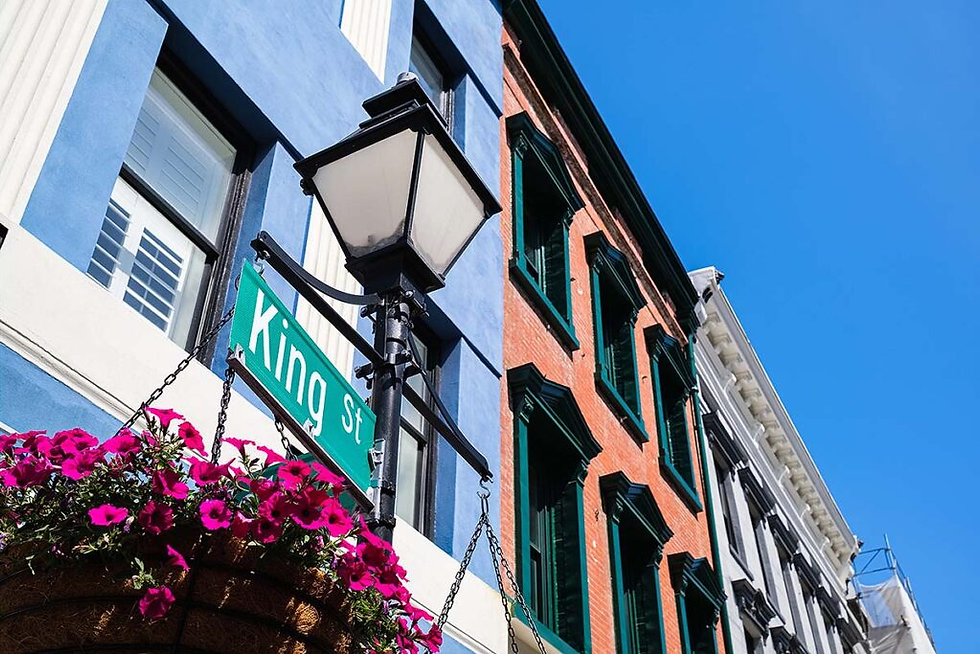
Charleston’s King Street offers a unique blend of historic charm and modern flair, making it a must-visit destination for anyone who loves shopping and dining. This vibrant street stretches through the heart of downtown Charleston, South Carolina, and is known for its diverse mix of boutiques, restaurants, and lively atmosphere. Whether you’re hunting for one-of-a-kind fashion finds or craving delicious Southern cuisine, King Street offers something for every visitor.
A Shopper’s Paradise on King Street
King Street is often divided into three distinct shopping districts, each with its own character and offerings:
Upper King Street: Known for its trendy boutiques and local designers, this area appeals to shoppers looking for unique clothing, accessories, and home goods. Stores like The Paris Market offer a curated selection of antiques and gifts, while M. Dumas & Sons specializes in fine jewelry.
Middle King Street: This section features well-known national brands alongside independent shops. You’ll find popular stores such as Anthropologie and J.Crew here, making it easy to mix familiar favorites with local flair.
Lower King Street: The historic district is home to antique shops, art galleries, and specialty stores. It’s a great place to explore if you want to discover Charleston’s rich history through its unique merchandise.
As you walk along King Street, you’ll notice the beautiful architecture dating back to the 18th and 19th centuries. Many storefronts maintain their original facades, adding to the street’s charm and inviting atmosphere.
Dining Options That Delight Every Palate
King Street isn't just for shopping; it’s also a hotspot for food lovers. The street offers a wide range of dining experiences, from casual cafes to upscale restaurants. Here are some highlights:
Southern Comfort Food: For authentic Lowcountry flavors, restaurants like Husk serve dishes made with locally sourced ingredients. Their shrimp and grits and fried chicken are favorites with locals and visitors alike.
International Cuisine: If you want to try something different, King Street has options like Indaco, which offers Italian fare with a modern twist, and The Ordinary, a seafood-focused eatery housed in a historic bank building.
Casual Bites and Coffee Shops: For a quick snack or coffee break, places like Black Tap Coffee provide excellent brews and light bites. It’s a perfect spot to recharge before continuing your stroll.
Many restaurants on King Street have outdoor seating, letting diners enjoy the lively street scene and pleasant Charleston weather.
Unique Finds and Local Artisans
One of the best parts of shopping on King Street is the chance to support local artisans. Many stores feature handmade goods, from jewelry and pottery to clothing and home decor. For example, King Street Clothier offers custom-tailored menswear, while The Candlefish sells hand-poured candles with unique scents inspired by Charleston.
Art galleries along the street showcase works by regional artists, providing a glimpse into the area’s creative spirit. Whether you’re looking for a souvenir or a gift, these shops offer items you won’t find anywhere else.
Evening Entertainment and Nightlife
After a day of shopping and dining, King Street transforms into a lively nightlife destination. Bars and lounges offer craft cocktails, live music, and a welcoming atmosphere. Popular spots include The Belmont for creative drinks and The Cocktail Club for a rooftop experience with city views.
This vibrant nightlife scene makes King Street a great place to unwind and socialize, whether you prefer a quiet drink or a night of dancing.
Accessibility and Parking
King Street is easily accessible by car, bike, or public transportation. Several parking garages and metered street parking options are available nearby. For those staying in downtown Charleston, King Street is often within walking distance of many hotels.
Public transportation and ride-sharing services also offer convenient ways to reach the area without worrying about parking.
Visit the Charleston Museum
The Charleston Museum offers a unique window into the past, inviting visitors to explore centuries of history through carefully preserved artifacts and engaging exhibits. As the oldest museum in the United States, it holds a special place in preserving the story of Charleston and the surrounding Lowcountry region. Whether you are a history enthusiast or simply curious about South Carolina’s cultural heritage, a visit to this museum promises a memorable experience.

Discovering Charleston’s Early History
The museum’s collection begins with the Native American cultures that inhabited the region long before European settlers arrived. Exhibits showcase tools, pottery, and other artifacts that reveal the daily lives and traditions of the indigenous peoples. This foundation helps visitors understand the area’s deep roots and the changes colonization brought.
Later, the museum highlights Charleston’s role as a major port city during the colonial era. You can see maps, documents, and objects that illustrate trade, commerce, and the city’s strategic importance. The displays also address the complex history of slavery and its impact on the region, providing a balanced and thoughtful perspective.
Engaging Exhibits and Interactive Displays
One of the museum’s strengths is bringing history to life through interactive exhibits. Visitors can explore recreated rooms that reflect different time periods, from colonial homes to Victorian interiors. These immersive settings allow you to step back in time and imagine daily life in Charleston’s past.
The museum also features hands-on activities for children and families, making it an educational destination for all ages. For example, younger visitors can try their hand at traditional crafts or explore natural history through touchable displays. These interactive elements make the museum experience both fun and informative.
Natural History and Archaeology
Beyond human history, the Charleston Museum offers fascinating insights into the Lowcountry's natural world. Exhibits include fossils, minerals, and specimens that tell the story of the region’s geology and wildlife. This section helps visitors appreciate the environment that shaped Charleston’s development.
Archaeological finds from local sites are also on display, revealing artifacts uncovered during excavations. These objects offer clues about past settlements and daily life, connecting the area's natural and human histories.
Special Exhibitions and Events
The museum regularly hosts special exhibitions that focus on specific themes or historical moments. These temporary displays often feature rare items or new research, offering fresh perspectives on Charleston’s past. Checking the museum’s schedule before your visit can help you catch these unique presentations.
In addition to exhibitions, the museum organizes lectures, workshops, and community events. These programs encourage deeper engagement with history and provide opportunities to learn from experts. These events can enrich your visit and connect you with others who share an interest in history.
Why Visit the Charleston Museum
Visiting the Charleston Museum offers more than just a look at old objects. It connects you with the stories of people who shaped the city and the region. The museum’s careful curation and engaging displays make history accessible and relevant. Whether you are a resident or a traveler, the museum provides a meaningful way to understand Charleston’s identity.
By exploring the museum, you gain insight into the cultural, social, and natural forces that influenced Charleston’s growth. This knowledge enriches your appreciation of the city and its heritage. The museum also supports preservation efforts, helping to protect these stories for future generations.
Visit Charleston’s Old Slave Mart Museum
The Old Slave Mart Museum in Charleston, South Carolina, stands as a powerful reminder of a painful chapter in American history. This museum preserves the site of one of the last active slave markets in the United States, offering visitors a chance to confront the realities of the transatlantic slave trade and its lasting effects. Understanding the history and impact of this museum helps deepen awareness of slavery’s role in shaping Charleston and the nation.

The Origins of the Old Slave Mart
Z. B. Oakes originally built the building that houses the Old Slave Mart Museum in 1859. It served as a private auction gallery for enslaved people after the city banned public slave auctions in the downtown area. This move was intended to reduce the visibility of the slave trade, but did not end the practice itself. The Old Slave Mart became a central location where enslaved men, women, and children were sold to the highest bidder.
The museum today occupies the last remaining structure of a larger complex known as Ryan’s Mart, which once included several buildings dedicated to the slave trade. The site’s survival offers a rare physical connection to the commercial side of slavery, a reality often hidden in history books.
What Visitors Can Expect at the Museum
Visitors to the Old Slave Mart Museum encounter a carefully curated experience that combines historical artifacts, photographs, and interpretive displays. The museum’s exhibits focus on the human stories behind the slave trade, emphasizing the experiences of those who were enslaved rather than just the economic aspects.
Key features include:
Auction Block Replica: A reconstruction of the auction block where enslaved people were displayed and sold.
Historical Documents: Bills of sale, newspaper advertisements, and personal accounts that reveal how the slave market worked.
Educational Panels: Information about the transatlantic slave trade, Charleston’s role as a major port, and the impact of slavery on African American communities.
The museum also addresses the broader consequences of slavery, including its influence on social structures, culture, and racial inequality that persists today.
The Museum’s Role in Education and Reflection
The Old Slave Mart Museum serves as an important educational resource for schools, tourists, and residents. It encourages visitors to reflect on the brutal realities of slavery and the resilience of those who endured it. By confronting this history directly, the museum challenges myths and misconceptions about slavery.
Educational programs often include guided tours, lectures, and community discussions. These initiatives aim to foster a deeper understanding of how slavery shaped Charleston’s development and the United States as a whole.
The Impact on Charleston’s Community and Beyond
The Old Slave Mart Museum in Charleston has sparked important conversations about race, history, and memory. It stands as a symbol of acknowledgment and accountability for a dark past that many communities struggle to face.
The museum also contributes to Charleston’s cultural tourism, attracting visitors interested in history and social justice. This attention helps support local efforts to preserve African American heritage and promote inclusive storytelling.
Challenges and Opportunities for the Future
Maintaining the Old Slave Mart Museum involves ongoing challenges, including funding, preservation, and ensuring the narrative remains relevant. The museum must balance honoring the past with engaging new generations in meaningful ways.
Opportunities lie in expanding partnerships with schools, universities, and cultural organizations. Technology can also enhance the visitor experience through virtual tours and interactive exhibits.
Final Thoughts on the Old Slave Mart Museum
The Old Slave Mart Museum offers a vital window into the history of slavery in Charleston and the United States. It confronts visitors with uncomfortable truths while honoring the strength of those who suffered. Engaging with this museum encourages a more honest and complete understanding of American history.
For anyone interested in history, social justice, or the roots of racial inequality, a visit to the Old Slave Mart Museum is a powerful step toward awareness and empathy. It reminds us that history isn't just about the past; it shapes the present and future.
Enjoy Folly Beach
If you are looking for a vacation spot that blends natural beauty, laid-back vibes, and a touch of Southern charm, Charleston Folly Beach is worth exploring. This coastal gem offers a unique mix of sandy shores, vibrant local culture, and outdoor activities, making it perfect for families, couples, and solo travelers alike. Whether you want to relax by the ocean, try fresh seafood, or explore nearby historic sites, Folly Beach has something to offer.

What Makes Folly Beach Special
Folly Beach stands out for combining the charm of a small beach town with easy access to the historic city of Charleston. The beach stretches for miles, offering plenty of space to find your own quiet spot or join community events. The atmosphere is casual and welcoming, with friendly locals and a variety of shops and eateries that reflect the coastal lifestyle.
Visitors often praise the area's natural beauty. The beach itself features soft sand and gentle waves, ideal for swimming, sunbathing, or beachcombing. The nearby Folly River and marshlands add to the scenic views and offer opportunities for kayaking and birdwatching.
Things to Do at Folly Beach
You won't run out of activities to enjoy during your stay at Folly Beach. Here are some highlights:
Surfing and Paddleboarding
Folly Beach is known as a great spot for surfers of all levels. Several local shops offer rentals and lessons if you want to try catching waves for the first time. Paddleboarding is also popular, especially in calmer waters near the river.
Fishing and Pier Walks
The Folly Beach Pier is a favorite spot for fishing enthusiasts and those who enjoy a peaceful walk with ocean views. You can rent fishing gear or stroll along the pier to watch the sunset.
Exploring Nature
The nearby Morris Island Lighthouse and the Folly Beach County Park provide excellent spots for hiking and photography. The park has picnic areas and playgrounds, making it family-friendly.
Local Dining
Folly Beach offers a variety of dining options, from casual seafood shacks to more refined restaurants. Fresh shrimp, oysters, and locally caught fish are staples on many menus. Don’t miss trying a Lowcountry boil or shrimp and grits for an authentic taste of the region.
Why Choose Folly Beach for Your Vacation
Folly Beach offers a balance of relaxation and adventure. It is less crowded than some other coastal destinations, allowing visitors to enjoy a peaceful retreat without missing out on activities. The community feels welcoming, and local culture adds warmth and authenticity to your stay.
Whether you want to spend your days on the sand, explore nature trails, or sample fresh seafood, Folly Beach offers a welcoming setting. Its proximity to Charleston means you can enjoy both beach time and cultural experiences in one trip.
Planning a vacation to Charleston Folly Beach means choosing a destination that values natural beauty, outdoor fun, and Southern hospitality. It’s a place where you can unwind, explore, and create lasting memories.
Experience Charleston’s Festivals and Events
Charleston hosts numerous events throughout the year, including:
Spoleto Festival USA: A 17-day arts festival featuring theater, dance, music, and visual arts.
Charleston Wine + Food Festival: Celebrates the city’s culinary scene with tastings and cooking demonstrations.
MOJA Arts Festival: Focuses on African-American and Caribbean culture through art, music, and performances.
Check the event calendar before your visit to catch special happenings.
Because of the scams going on with Airbnb and Vbro, I will not recommend places listed here on my blog. Here are links to a couple of cases if you would like to read them.
Places to Stay:
You can show your appreciation with a virtual coffee if you have found value in my blog.

Do not forget to subscribe to get my monthly newsletter.
Some links on my website are affiliate links. I earn from qualifying purchases as an Amazon Associate and an Expedia Associate. Through other links, I may also receive a small commission at no extra cost to you. Using them supports me, helps offset the cost of running this website, and ensures I can keep providing free content and resources.
I truly appreciate the support!


Comments