


Exploring the Majestic Trails of Steens Mountain Hiking Adventure, Oregon

Updated: May 14
Steens Mountain stands as one of the most remarkable hiking destinations in the western United States. Its rugged terrain, vast wilderness, and breathtaking views offer an unforgettable experience for outdoor enthusiasts. Whether you are an experienced hiker or someone looking to explore a unique landscape, Steens Mountain provides a variety of trails that showcase the beauty and diversity of southeastern Oregon.

This guide will walk you through the highlights of hiking Steens Mountain, including trail options, what to expect on the journey, and tips to make the most of your adventure.
Discovering Steens Mountain
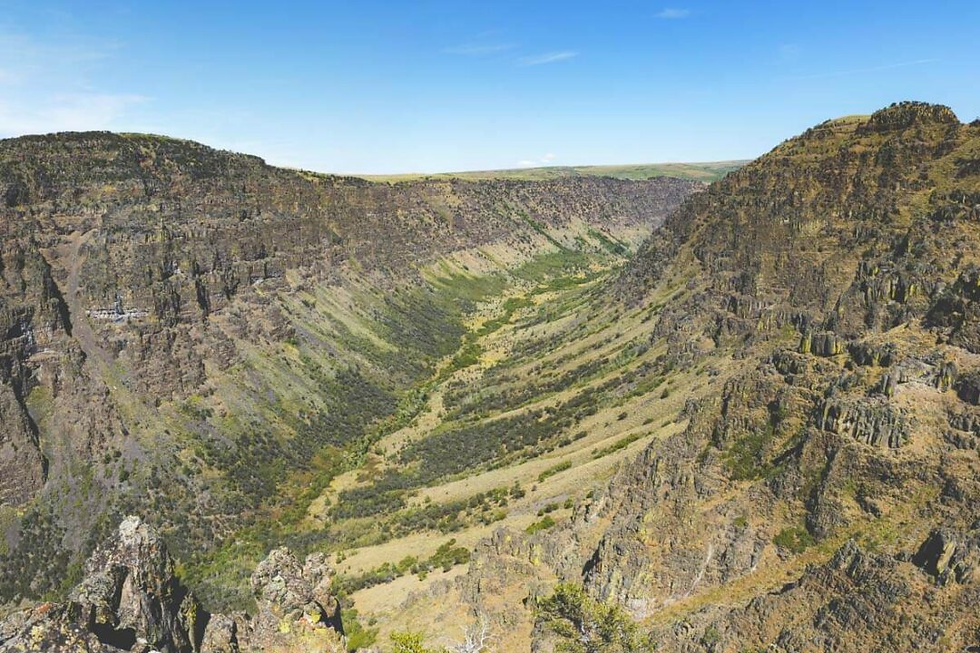
Steens Mountain rises sharply from the high desert plains, reaching an elevation of over 9,700 feet. Unlike many mountain ranges, it is a fault-block mountain, which means one side rises steeply while the other slopes gently. This geological feature creates dramatic cliffs and deep canyons that attract hikers and nature lovers alike.
The area is protected as part of the Steens Mountain Wilderness, managed by the Bureau of Land Management. This designation ensures the preservation of its unique ecosystems, including sagebrush steppe, alpine meadows, and ancient juniper forests.
Choosing the Right Trail for Your Experience
Steens Mountain offers a range of hiking trails suitable for different skill levels and interests. Here are some popular options:
Wildhorse Lake Trail
The Wildhorse Lake Trail offers an unforgettable hiking experience in the Steens Mountains, a remote and rugged range in southeastern Oregon. This trail invites outdoor enthusiasts to explore a unique landscape filled with dramatic views, diverse wildlife, and peaceful alpine lakes. Whether you are an experienced hiker or someone looking for a rewarding day trip, the Wildhorse Lake Trail provides a perfect escape into nature’s quiet beauty.

Getting to the Wildhorse Lake Trail
The Steens Mountains are located in Harney County, Oregon, and the Wildhorse Lake Trailhead is accessible via the Steens Mountain Loop Road. This gravel road winds through the mountain range and offers several scenic pullouts along the way. The trailhead is well-marked and has a small parking area, but it’s best to arrive early during peak season to secure a spot.
Before heading out, check local conditions, as road and trail conditions can be affected by weather, especially in spring and fall. The area is remote, so bring plenty of water, snacks, and a map or GPS device. Cell service is limited, so preparation is key.
What to Expect on the Trail
The Wildhorse Lake Trail is approximately 5 miles round trip, making it a moderate hike suitable for most fitness levels. The trail begins with a gentle ascent through sagebrush and wildflower meadows, gradually climbing toward the lake. Along the way, hikers can enjoy panoramic views of the surrounding mountains and valleys.
The trail surface is mostly dirt and gravel, with some rocky sections near the lake. It is well-maintained but can be slippery after rain. Wildlife sightings are common, including mule deer, marmots, and a variety of birds. Keep an eye out for wild horses, which roam freely in the area and add to the trail’s charm.
Highlights of Wildhorse Lake
Wildhorse Lake itself is a serene alpine lake nestled in a natural basin surrounded by towering cliffs. The lake’s clear water reflects the sky and mountains, creating a picture-perfect scene. It’s an ideal spot for a picnic, photography, or simply resting after the hike.
The area around the lake offers several small side trails to explore, including routes to nearby viewpoints and quiet spots for fishing. The lake is stocked with trout so that anglers may find success here during the fishing season.
Why Choose the Wildhorse Lake Trail
This trail stands out for its combination of accessibility, natural beauty, and wildlife encounters. Unlike more crowded national parks, the Steens Mountains offer a quieter experience where you can connect with nature without distractions. The Wildhorse Lake Trail is a manageable hike that rewards visitors with stunning views and a peaceful alpine setting.
Whether you want a day hike or a base for exploring the larger wilderness, this trail is a great choice. It showcases the unique landscape of the Steens Mountains and offers a chance to see wild horses in their natural environment.
Steens Mountain Loop Road
The Steens Mountain Loop offers one of the most rewarding driving experiences in the western United States. This trail winds through a remote and rugged landscape, showcasing dramatic cliffs, vast meadows, and panoramic views that few other roads can match. For outdoor enthusiasts looking to escape crowded trails and immerse themselves in nature, the Steens Mountain Loop Road delivers a memorable adventure filled with diverse scenery and unique wildlife.

What Makes the Steens Mountain Loop Road Special
Steens Mountain rises sharply from the high desert of southeastern Oregon, reaching over 9,700 feet at its summit. The loop trail circles the mountain, covering approximately 40 miles of varied terrain. Unlike many popular roads, this loop offers solitude and a chance to explore a landscape shaped by volcanic activity, glaciation, and centuries of natural forces. The loop can be broken into sections to complete it at different times.
The road passes through several ecological zones, from sagebrush steppe at lower elevations to alpine meadows near the summit. This diversity supports a wide range of plant and animal life, including wildflowers, mule deer, bighorn sheep, and numerous bird species. You can expect to see changing scenery as they ascend and descend along the loop.
Highlights Along the Road
The Steens Mountain Loop Road features several standout spots that you can look forward to:
Kiger Gorge: This deep, glacially carved canyon offers breathtaking views and is a great place to spot wildlife.
Wildflower Meadows: In summer, the meadows burst with color, including lupine, Indian paintbrush, and penstemon.
Steens Summit: The highest point on the loop provides sweeping views of the surrounding desert and mountain ranges.
Hot Springs: Natural hot springs offer a relaxing way to unwind after a long day on the trail.
Each section of the loop has its own character, making the trip feel like a journey through several different worlds.
What to Expect After the Trip
Completing the Steens Mountain Loop Road leaves many people with a deep appreciation for the rugged beauty of Oregon’s high desert. The combination of solitude, challenging terrain, and spectacular views creates a lasting memory. Many return year after year to explore different parts of the mountain or to experience the loop in different seasons.
If you’re looking for a ride that combines adventure with natural beauty, the Steens Mountain Loop Road is a top choice. It offers a chance to disconnect from daily life and connect with a wild, untamed landscape.
Kiger Gorge Overlook Trail
The Kiger Gorge Overlook Trail offers a stunning escape into the heart of nature, inviting hikers and outdoor enthusiasts to take in breathtaking views and peaceful surroundings. Nestled in the rugged landscape of southeastern Oregon, this trail provides a unique opportunity to explore one of the most impressive glacial gorges in the United States. Whether you are an experienced hiker or simply looking for a scenic spot to enjoy fresh air and panoramic vistas, the Kiger Gorge Overlook Trail delivers a memorable adventure.

Where to Find the Kiger Gorge Overlook Trail
Located within the Steens Mountain Wilderness, the Kiger Gorge Overlook Trail is accessible from the Steens Mountain Loop Road. This remote area is known for its dramatic cliffs, deep valleys, and diverse wildlife. The trailhead is easy to reach by car during the summer and early fall months when the road is open. Visitors should plan their trip between late June and October to avoid snow-related closures and enjoy the best weather.
What to Expect on the Trail
The Kiger Gorge Overlook Trail is a relatively short hike, approximately 2 miles round-trip, making it suitable for most fitness levels. The path is well-marked and gently climbs to the overlook point, where hikers are rewarded with sweeping views of the gorge below. The trail winds through sagebrush and wildflower meadows, offering chances to spot local wildlife such as mule deer, birds of prey, and even bighorn sheep.
Along the way, you will notice the geological features that shaped the gorge. The steep walls of the canyon reveal layers of volcanic rock and glacial deposits, telling a story of ancient natural forces. The overlook itself offers a dramatic vantage point for seeing the full depth and scale of the gorge, with the winding Kiger Creek visible far below.
What Makes the Kiger Gorge Overlook Trail Special
The Kiger Gorge Overlook Trail stands out for its combination of accessibility and spectacular scenery. Unlike longer, more strenuous hikes, this trail allows visitors to experience the grandeur of Steens Mountain’s landscape without a full-day commitment. The overlook offers one of the most impressive views in the region, showcasing a deep, glacially carved canyon surrounded by rugged peaks.
The trail also provides a chance to connect with nature in a quiet, less crowded setting. The Steens Mountain Wilderness is known for its solitude and natural beauty, making the Kiger Gorge Overlook Trail a perfect spot for reflection and relaxation.
Pueblo Mountain Trail
The Pueblo Mountain Trail offers one of Oregon’s most rewarding hiking experiences. Nestled in the remote reaches of the state, this trail invites adventurers to explore rugged terrain, stunning vistas, and a landscape that feels untouched by time. Whether you are an experienced hiker or someone seeking a peaceful escape into nature, the Pueblo Mountain Trail delivers a memorable journey through some of Oregon’s wildest country.

Where to Find Pueblo Mountain Trail
Located in southeastern Oregon, the Pueblo Mountain Trail lies within the Pueblo Mountains Wilderness, part of the larger Steens Mountain area. This region is known for its vast open spaces, high desert environment, and dramatic mountain views. The trailhead is accessible from the small town of Fields, Oregon, which serves as a gateway for outdoor enthusiasts heading into this less-traveled wilderness.
The trail itself stretches approximately 11 miles round trip, winding through sagebrush flats, rocky ridges, and alpine meadows. Its remote location means visitors can enjoy solitude and a strong connection with nature, far from crowded parks and busy highways. This route is challenging and mostly off-trail, so experience with off-trail travel is recommended, as is downloading offline maps. There is little water available here, so plan to bring all the water you will need on your trip.
What to Expect on the Trail
Hiking the Pueblo Mountain Trail offers a mix of challenges and rewards. The elevation gain is moderate but steady, climbing from about 5,000 feet at the trailhead to over 7,000 feet near the summit. Along the way, hikers encounter diverse landscapes that change with the seasons:
Spring and early summer bring wildflowers that color the meadows and hillsides.
Summer offers clear skies and warm days, perfect for long hikes.
Fall paints the landscape with golden hues, especially in the scattered aspen groves.
Winter can bring snow and icy conditions, making the trail suitable only for experienced winter hikers.
The trail is well-marked but rugged in places, with rocky sections and some steep switchbacks. Proper footwear and preparation are essential. Water sources are scarce, so carrying enough water is critical, especially during warmer months.
Highlights Along the Trail
Several features make the Pueblo Mountain Trail stand out:
Panoramic Views: From the higher elevations, hikers can see sweeping views of the Alvord Desert to the east and the vast Oregon high desert stretching in all directions.
Wildlife: The area is home to mule deer, pronghorn antelope, and a variety of birds, including golden eagles and sage grouse. Early-morning or late-afternoon hikes increase the chances of wildlife sightings.
Geological Features: The trail passes through volcanic rock formations and ancient lava flows, offering a glimpse into the region’s geological history.
Quiet Wilderness: Unlike more popular trails, the Pueblo Mountain Trail offers a sense of solitude that is rare in today’s world. The silence and open space allow for reflection and a deep appreciation of nature.
Why Choose Pueblo Mountain Trail
This trail stands out because it combines accessibility with a true wilderness experience. It is not crowded, which means you can enjoy nature without distractions. The variety of landscapes and the chance to see wildlife in their natural habitat make it a rewarding destination for hikers who want more than just a walk in the woods.
The trail also offers a physical challenge balanced by moments of peaceful beauty. It is a place where you can push your limits and then pause to take in the quiet majesty of Oregon’s high desert.
Pike Creek Canyon Trail
Pike Creek Canyon Trail is located within the Steen Mountains, a lesser-known mountain range in southeastern Oregon. The trailhead is accessible via Forest Road 42, which branches off from Highway 205 near the town of Burns. The road leading to the trailhead is mostly gravel and can be rough in places, so a high-clearance vehicle is recommended, especially after rain.

Visitors should plan their trip carefully, as the area is remote with limited cell service and no nearby facilities. Bringing sufficient water, food, and navigation tools is essential for safety.
Trail Overview
The trail stretches approximately 6 miles round trip, making it suitable for a half-day hike. It follows Pike Creek as it winds through a narrow canyon carved by volcanic activity millions of years ago. The elevation gain is moderate, about 800 feet, with some steep sections that require careful footing.
Hikers will find a mix of shaded forest areas and open rocky slopes. The trail is well-marked but can be rocky and uneven in spots, so sturdy hiking boots are recommended. Along the way, several small waterfalls and pools offer refreshing spots to rest.
Scenic Highlights
Geological Features
The Steen Mountains are known for their volcanic origins, and the Pike Creek Canyon Trail reveals this history through its striking rock formations. Basalt cliffs rise sharply on either side of the creek, displaying layers of lava flows and volcanic ash. These formations create a dramatic backdrop and provide excellent opportunities for geology enthusiasts to observe volcanic processes firsthand.
Flora and Fauna
The trail passes through diverse habitats, from dense pine forests to sagebrush-covered slopes. Wildflowers bloom in abundance during spring and early summer, including lupine, paintbrush, and columbine. Birdwatchers can spot species such as mountain bluebirds, woodpeckers, and occasionally, raptors soaring overhead.
Wildlife sightings may include mule deer, coyotes, and smaller mammals like chipmunks and rabbits. Early-morning or late-afternoon hikes increase the chances of encountering animals.
Water Features
Pike Creek itself is a highlight of the trail. The creek’s clear, cool water cascades over rocks, forming small waterfalls and pools. These spots are perfect for a break or a picnic. The sound of flowing water adds to the trail’s peaceful atmosphere.
Best Time to Visit
The best times to hike Pike Creek Canyon are early morning, late afternoon, or in the fall. During this period, the weather is generally mild, and wildflowers are in bloom. The summer months can be hot, so early-morning hikes are advisable. Winter and early spring may bring snow or muddy conditions, making the trail more challenging.
Safety Considerations
Due to its remote location, hikers should be prepared for emergencies. Inform someone about your hiking plans and expected return time. Carry a first aid kit and know basic wilderness safety practices. The weather can change quickly in the mountains, so be ready for sudden shifts.
Big Indian Gorge Trail to Little Blitzen Loop
The Big Indian Gorge Trail begins near the Steens Mountain Wilderness area, a remote and wild part of southeastern Oregon. The trailhead is accessible by a rough but navigable road, so a high-clearance vehicle is recommended. The loop itself covers approximately 26 miles, and you have to climb OUT of the canyon at the end. Recommend a 3-day, 2-night trip.

The trail winds through a deep gorge carved by the Little Blitzen River, offering dramatic views of cliffs and lush vegetation. As you hike, you will encounter a mix of landscapes, from rocky outcrops to dense forests and open meadows. The elevation gain is moderate but steady, providing a good workout without being overly strenuous.
What to Expect on the Trail
Scenic Highlights
Big Indian Gorge: The gorge is the centerpiece of the hike, with towering rock walls and the rushing Little Blitzen River below. The sound of the water and the sight of wildflowers along the banks create a peaceful atmosphere.
Wildlife Viewing: Keep an eye out for mule deer, elk, and a variety of bird species. Early-morning or late-afternoon hikes increase your chances of spotting wildlife.
Flora: The trail passes through several ecological zones. You will see sagebrush and juniper in the lower areas, transitioning to fir and pine as you climb higher.
Trail Conditions
The path is well-marked but can be rocky and uneven in places. Some sections require careful footing, especially near the riverbanks and on narrow ledges. During spring and early summer, snowmelt can make parts of the trail muddy or slippery. It is best to check local trail reports before heading out.
Weather Considerations
The weather in this region can change quickly. Summer days are warm, often reaching the mid-80s Fahrenheit, but nights can be cool. Spring and fall bring cooler temperatures and occasional rain. Carry layers and be prepared for sun exposure, as much of the trail is exposed.
Highlights Along the Loop
Little Blitzen River Crossing
One of the most memorable parts of the hike is crossing the Little Blitzen River. Depending on the season, the water level can vary, so be prepared to use stepping stones or a small footbridge. The river’s clear water and the surrounding greenery make this a perfect spot for a rest and some photos.
Views from the Ridge
As the trail climbs out of the gorge, it opens up to expansive views of the surrounding high desert and Steens Mountain. This vantage point offers a chance to see the vastness of the landscape and appreciate the contrast between the rugged cliffs and the open plains.
Flora and Fauna Observation Points
Several spots along the loop are ideal for observing native plants and animals. Bring binoculars if you want to get a closer look at birds or distant wildlife. Wildflower blooms in late spring add bursts of color to the scenery.
After the Hike
Once you complete the loop, take time to relax and reflect on the experience. Nearby camping areas provide a chance to extend your adventure overnight. If you have time, explore other trails in the Steens Mountain Wilderness or visit local landmarks such as the Alvord Desert.
Final Thoughts on the Big Indian Gorge Trail to Little Blitzen Loop
This hike offers a blend of challenge, natural beauty, and solitude that few trails can match. It requires preparation and respect for the environment, but rewards hikers with unforgettable views and encounters with nature. Whether you seek a vigorous workout or a peaceful escape, the Big Indian Gorge Trail to Little Blitzen Loop is a destination worth exploring.
Threemile Creek Trail
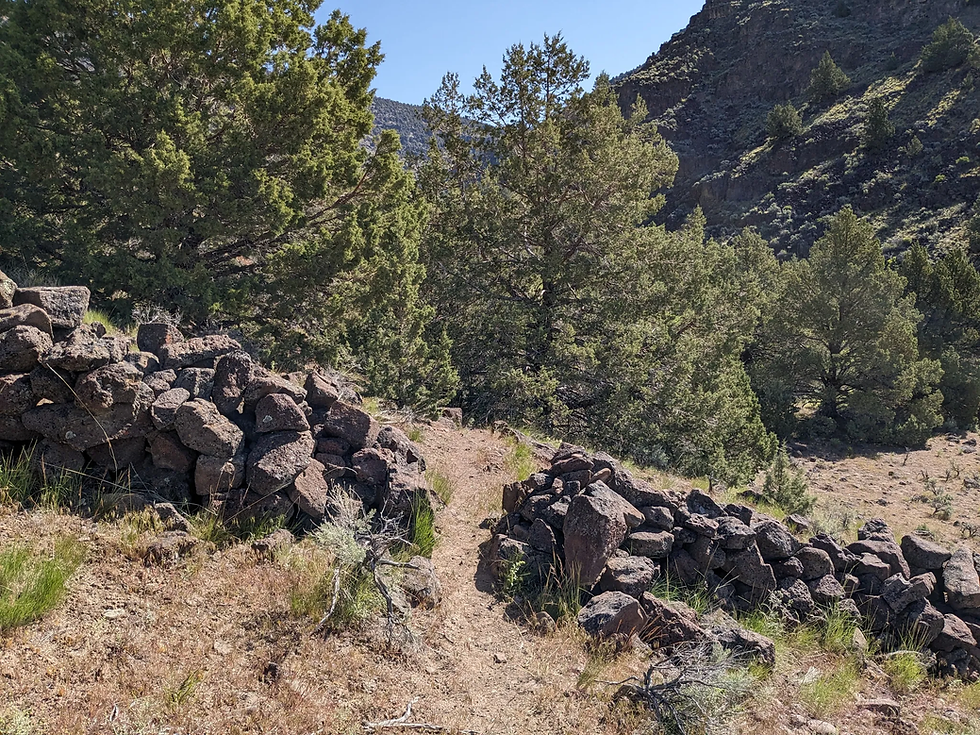
The Three Mile Creek Trail in the Steens Mountains offers a unique outdoor experience for hikers and nature lovers. Nestled in a remote part of Oregon, this trail combines rugged terrain with stunning natural features. Whether you are an experienced hiker or someone looking for a peaceful escape, the trail provides a rewarding adventure with breathtaking views and diverse wildlife.
Getting to Know Threemile Creek Trail
The Three-Mile Creek Trail stretches approximately 3 miles round trip, winding through the heart of the Steen Mountains. The trailhead is accessible via a forest road, which requires a high-clearance vehicle during wet seasons. The path follows the creek, offering hikers the chance to enjoy the soothing sound of flowing water alongside their journey.
The trail is moderately challenging, with some steep sections and rocky surfaces. It is well-marked, making navigation straightforward even for those unfamiliar with the area. Along the way, hikers will encounter a mix of dense forests, open meadows, and rocky outcrops that reveal panoramic views of the surrounding mountains.
What to Expect on the Trail
Scenic Highlights
One of the most striking features of the Threemile Creek Trail is its variety of landscapes. Early in the hike, towering pine and fir trees create a shaded canopy. As the trail climbs, the forest thins out, revealing wildflower-filled meadows in spring and summer. The creek itself is a constant companion, with clear pools perfect for a quick rest or photo opportunity.
The trail also leads to several small waterfalls and cascades, especially after spring snowmelt or heavy rains. These spots provide excellent places to pause and enjoy the natural beauty. Wildlife sightings are common, including deer, birds, and occasionally black bears, so hikers should remain alert and respectful of the environment.
Trail Conditions and Tips
The trail surface varies from packed dirt to loose gravel and rocks. Good hiking boots with ankle support are recommended. Carrying trekking poles can help with balance on steeper or uneven sections. Since the trail follows a creek, some parts may be muddy or slippery after rain.
Water is available from the creek, but it should be treated before drinking. Bringing a water filter or purification tablets is advisable. Also, pack enough food and layers of clothing, as the weather in the Steen Mountains can change quickly.
Best Time to Visit
The ideal time to hike the Threemile Creek Trail is from late spring to early fall. During this period, the weather is generally mild, and the trail is free of snow. Wildflowers bloom in late May and June, adding vibrant colors to the landscape. Fall brings a different charm with golden foliage and cooler temperatures.
Winter and early spring hikes are possible but require preparation for snow and icy conditions. The trail may be inaccessible during heavy snowfalls, so checking local trail reports before planning a trip is essential.
Embracing the Experience
The Threemile Creek Trail invites visitors to slow down and connect with nature. The combination of flowing water, mountain views, and quiet forest creates a peaceful atmosphere. Whether you hike for exercise, photography, or to unwind, the trail offers a chance to recharge away from the hustle and bustle of city life.
Exploring this trail reveals the rugged beauty of the Steen Mountains and highlights the importance of preserving such wild places. Each step along the creek brings new sights and sounds, making the journey as rewarding as the destination.
What to Expect on the Trails
Hiking Steens Mountain means encountering a variety of environments. You will move from dry, open sagebrush areas to lush meadows and rocky ridges. Wildlife is abundant, including mule deer, bighorn sheep, and numerous bird species.
The weather can change quickly, especially at higher elevations. Temperatures may be warm during the day but drop sharply at night. Summer months bring wildflowers and clear skies, while spring and fall offer cooler temperatures and fewer crowds.
Trail conditions vary depending on the season and recent weather. Some paths may be rocky or steep, so sturdy hiking boots and trekking poles are recommended. Water sources are limited, so carrying enough water is essential.
Preparing for Your Steens Mountain Hike
Preparation is key to enjoying your hiking adventure safely and comfortably. Here are some practical tips:
Plan Your Route: Choose a trail that matches your fitness level and time availability. Check trail maps and current conditions before heading out.
Pack Essentials: Bring plenty of water, snacks, sun protection, a first aid kit, and layers of clothing. The weather can be unpredictable.
Leave No Trace: Respect the wilderness by packing out all trash and staying on designated trails.
Wildlife Awareness: Keep a safe distance from animals and avoid feeding them.
Permits and Regulations: Some areas may require permits for camping or hiking. Verify with the Bureau of Land Management before your trip.
Camping and Overnight Options
For those wanting to extend their visit, camping near Steens Mountain offers a chance to experience the wilderness after the day hikers leave. There are several campgrounds and dispersed camping areas:
Frenchglen Campground: Located at the base of the mountain, it provides basic amenities and easy access to trails.
Wildhorse Campground: Near Wildhorse Lake Trail, this site is popular for its proximity to hiking and fishing.
Backcountry Camping: Allowed in designated areas within the wilderness, but campers must follow strict guidelines to protect the environment.
Camping under the stars in this remote area reveals a spectacular night sky, free from light pollution.
Safety Considerations
Steens Mountain’s remote location means hikers should be prepared for emergencies:
Cell Service: Limited or nonexistent in many areas. Carry a map and compass or GPS device.
Weather: Sudden storms can occur. Check forecasts and be ready to turn back if conditions worsen.
Altitude: Some trails reach high elevations. Take time to acclimate and watch for signs of altitude sickness.
Wildlife: Bears and mountain lions are rare but possible. Store food securely and stay alert.
Enjoying the Unique Flora and Fauna
The mountain’s diverse habitats support a wide range of plants and animals. In spring and summer, wildflowers such as lupine, Indian paintbrush, and penstemon color the meadows. Birdwatchers may spot golden eagles, sage grouse, and mountain bluebirds.
The ancient western juniper trees, some over 1,000 years old, add character to the landscape. These trees survive in harsh conditions and provide shelter for wildlife.
Getting There and Access Tips
Steens Mountain is located in southeastern Oregon and is accessible by car from towns such as Burns and Frenchglen. The main access road, Steens Mountain Loop Road, is a gravel road that winds up the mountain with several trailheads along the way.
The road is usually open from late spring to early fall, depending on snow conditions. Visitors should check the current road status before traveling.
Final Thoughts on Hiking Steens Mountain
Steens Mountain offers a hiking experience that combines solitude, natural beauty, and physical challenge. Its trails reveal a landscape shaped by geology, climate, and time, inviting hikers to explore and connect with nature.
Whether you choose a short hike to a scenic overlook or a multi-day trek around the mountain, preparation and respect for the environment will ensure a rewarding adventure. Pack your gear, plan your route, and get ready to discover one of Oregon’s hidden gems.
Because of the scams going on with Airbnb and Vbro, I will not recommend places listed here on my blog. Here is a link to just one case if you would like to read it.
Places to Stay:
Bring your tent and camp because there is nothing in the area
You can show your appreciation with a virtual coffee if you have found value in my blog.

Do not forget to subscribe to get my monthly newsletter.
Some of the links found on my website are affiliate links. I earn from qualifying purchases as an Amazon Associate and an Expedia Associate. Through other links, I may also receive a small commission at no extra cost to you. Using them is a way to support me, help offset the cost of running this website, and ensure I can continue providing free content and resources.
I truly appreciate the support!


Comments