


Exploring the Majestic Beauty of Dry Falls, Washington

Dry Falls in Washington stands as one of the most remarkable natural wonders in the United States. This vast cliff face, once the site of a massive waterfall, offers visitors a glimpse into the powerful forces that shaped the landscape during the Ice Age. Exploring Dry Falls reveals not only stunning scenery but also a fascinating story of geology and history. This post will guide you through what makes Dry Falls so special, how to experience it, and why it deserves a spot on your travel list.
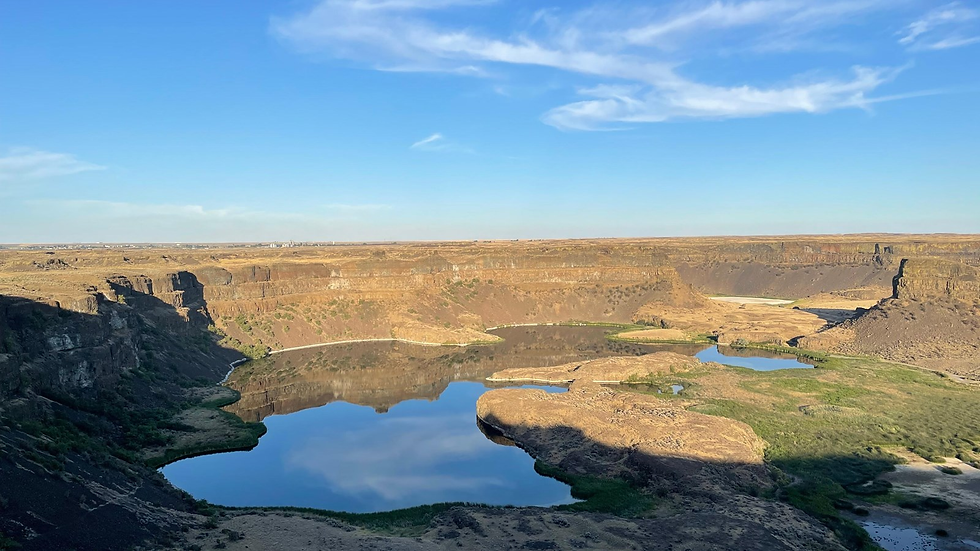
The Geological Wonder of Dry Falls
Dry Falls is a remnant of the ancient Missoula Floods, which occurred around 15,000 to 13,000 years ago. These floods were among the largest known on Earth, caused by the sudden release of water from glacial Lake Missoula. When the ice dam holding back this lake broke, water surged across eastern Washington, carving deep channels and creating dramatic features like Dry Falls.
At one time, Dry Falls was a waterfall nearly five times the height of Niagara Falls and twice as wide. Today, the waterfall is dry, but the cliff remains, stretching nearly 3.5 miles wide and towering 400 feet high. The sheer scale of this cliff face gives visitors a sense of the immense power that once flowed here.
Key Features of Dry Falls
Height: Approximately 400 feet
Width: About 3.5 miles
Formation: Result of Ice Age floods
Location: Near Coulee City, Washington
The cliff’s basalt rock layers tell a story of volcanic activity followed by erosion from the floods. The landscape around Dry Falls includes coulees, which are deep, steep-sided canyons carved by the floodwaters.
Visiting Dry Falls: What to Expect
Dry Falls is part of the Sun Lakes-Dry Falls State Park, which offers several ways to explore the area. The park provides easy access to viewpoints, hiking trails, and picnic areas, making it a great destination for families, hikers, and nature lovers.
Best Viewing Spots
Dry Falls Overlook: This viewpoint offers a panoramic view of the cliff face and the surrounding coulee. It’s an ideal spot for photography and to appreciate the scale of the falls.
Sun Lakes Trail: A moderate hiking trail that takes you through the park’s diverse landscape, including lakes, cliffs, and desert vegetation.
Visitor Center: The park’s visitor center features exhibits explaining the geology and history of Dry Falls and the Ice Age floods.
Activities to Enjoy
Hiking: Trails range from easy walks to more challenging hikes, allowing visitors to explore the area at their own pace.
Bird Watching: The park is home to a variety of bird species, including hawks and eagles.
Fishing and Boating: Nearby Sun Lakes offer opportunities for fishing and kayaking.
Photography: The dramatic cliffs and wide-open spaces provide excellent photo opportunities, especially during sunrise and sunset.

Practical Tips for Your Trip
Planning a visit to Dry Falls requires some preparation to make the most of your experience.
Best Time to Visit: Spring through fall offers the best weather. Summers can be hot, so bring water and sun protection.
Getting There: Dry Falls is accessible by car from Spokane or Seattle. The nearest town is Coulee City, which has basic amenities.
What to Bring: Comfortable walking shoes, water, sunscreen, a hat, and a camera.
Safety: Stay on marked trails and respect park rules. The cliffs are steep and can be dangerous if you get too close to the edge.
The Ecological Importance of Dry Falls
Beyond its geological significance, Dry Falls supports a unique ecosystem. The area’s arid climate and volcanic soil create habitats for plants and animals adapted to these conditions.
Flora and Fauna
Plants: Sagebrush, wildflowers, and desert grasses dominate the landscape.
Animals: Small mammals like rabbits and ground squirrels, reptiles such as lizards, and a variety of birds thrive here.
The park’s management focuses on preserving this fragile environment while allowing visitors to enjoy the natural beauty.
Dry Falls in the Context of Washington’s Natural Attractions
Washington State is known for its diverse landscapes, from coastal beaches to mountain ranges. Dry Falls stands out as a geological marvel that complements other natural sites like the Columbia River Gorge and Mount Rainier.
Visiting Dry Falls offers a different experience compared to the lush forests and alpine scenery found elsewhere in the state. Its stark, open terrain and dramatic cliffs provide a unique perspective on the forces that shaped the Pacific Northwest.
How Dry Falls Inspires Visitors
Many who visit Dry Falls find themselves awed by the site’s scale and history. The vast cliff face invites reflection on nature’s power and the passage of time. Photographers capture the interplay of light and shadow on the basalt walls, while hikers enjoy the quiet solitude of the surrounding desert.
The site also serves as an outdoor classroom, where educators and students learn about geology, hydrology, and environmental science. Interpretive signs and guided tours help visitors understand the significance of the Ice Age floods and their impact on the region.

Planning Your Visit to Dry Falls
To get the most from your trip, consider these planning tips:
Allow Enough Time: Spend at least half a day exploring the park and trails.
Combine with Nearby Attractions: Visit the Grand Coulee Dam or the nearby Dry Falls Museum for a broader understanding of the area.
Check Weather Conditions: The region can be hot in summer and cold in winter, so dress accordingly.
Respect the Environment: Pack out all trash and avoid disturbing wildlife.
Reflections on the Visit to Dry Falls
Standing at Dry Falls, I felt a deep appreciation for the scale and power of nature. The site challenges our perception of time, showing how landscapes evolve through events that span thousands of years. It also highlights the importance of preserving such places for future generations to learn from and enjoy.
The quiet today contrasts with the violent past, offering a moment of reflection on the forces that continue to shape our world. Visiting Dry Falls is more than a sightseeing trip; it is an opportunity to connect with Earth’s history and gain perspective on the natural world.
Because of the scams going on with Airbnb and Vbro, I will not recommend places listed here on my blog. Here is a link to a couple of cases if you would like to read them.
Places to Stay:
You can show your appreciation with a virtual coffee if you have found value in my blog.

Do not forget to subscribe to get my monthly newsletter.
Some of the links found on my website are affiliate links. I earn from qualifying purchases as an Amazon Associate and an Expedia Associate. Through other links, I may also receive a small commission at no extra cost to you. Using them is a way to support me, help offset the cost of running this website, and ensure I can continue providing free content and resources.
I truly appreciate the support!


Comments