


Exploring the Hidden Trails of Linville Gorge Wilderness Area, North Carolina

The Linville Gorge Wilderness Area, often called the “Grand Canyon of the East,” offers some of the most rugged and breathtaking hiking experiences in the Appalachian Mountains. For hikers seeking a challenge off crowded paths, this wilderness area offers a network of hidden trails that reveal stunning views, diverse wildlife, and a deep connection to nature. This post guides you through the best ways to explore these lesser-known trails, what to expect, and how to prepare for an unforgettable adventure.

Discovering Linville Gorge Wilderness Area
Located in western North Carolina, Linville Gorge spans over 12,000 acres of cliffs, dense forests, and the winding Linville River. The area is known for its dramatic elevation changes and remote terrain, making it a favorite for experienced hikers and outdoor enthusiasts. Unlike more developed parks, Linville Gorge remains largely wild, with minimal signage and few maintained trails, which adds to its allure for those who want to explore off the beaten path.
The gorge’s rugged landscape was carved over millions of years by the Linville River, creating sheer rock faces that rise nearly 2,000 feet above the riverbed. This natural wonder provides a variety of hiking options, from short day hikes to multi-day backpacking trips.
Preparing for Your Hike
Before setting out on the hidden trails of Linville Gorge, preparation is key. The wilderness area’s challenging terrain demands good physical fitness, proper gear, and a solid plan.
Map and Navigation: Trails here are often unmarked or faint. Carry a detailed topographic map and a reliable compass or GPS device. Familiarize yourself with the route before starting.
Footwear: Wear sturdy hiking boots with good ankle support and traction. The rocky, uneven ground can be tough on the feet.
Water and Food: Bring enough water for your hike, as natural sources may be scarce or unsafe without treatment. Pack high-energy snacks or meals.
Weather Awareness: Weather can change quickly in the mountains. Dress in layers and carry rain gear.
Safety Gear: A first aid kit, whistle, and headlamp are essential. Let someone know your itinerary and expected return time.
Hidden Trails Worth Exploring
While the Linville Gorge has a few well-known trails, such as the Linville Falls Trail and the Table Rock Trail, many paths remain less traveled. Here are some hidden gems for hikers looking to explore deeper into the wilderness.
Shortoff Mountain Trail
The Shortoff Mountain Trail in Linville Gorge offers some of the most stunning and rewarding hiking experiences in the southeastern United States. Nestled within the rugged terrain of the Linville Gorge Wilderness Area, this trail provides hikers with panoramic views, challenging climbs, and a chance to connect deeply with nature. This trail offers a strenuous climb with rewarding panoramic views of the gorge and surrounding mountains. It’s less crowded than the popular Table Rock Trail and offers a quiet, immersive forest experience. The trail is about 4.5 miles out and back and is considered a moderate-to-difficult trail with an elevation gain of about 1,200 feet.

The Trail Experience
Starting from the trailhead near the Linville Gorge Wilderness boundary, the Shortoff Mountain Trail immediately immerses hikers in a forest of hardwoods and pines. The path winds upward, gradually revealing glimpses of the gorge below through breaks in the trees.
As you ascend, the trail becomes rockier and steeper, demanding more attention and effort. The climb is challenging but manageable for most hikers with a moderate level of fitness. Along the way, you may encounter small streams and unique rock formations that add to the trail’s character.
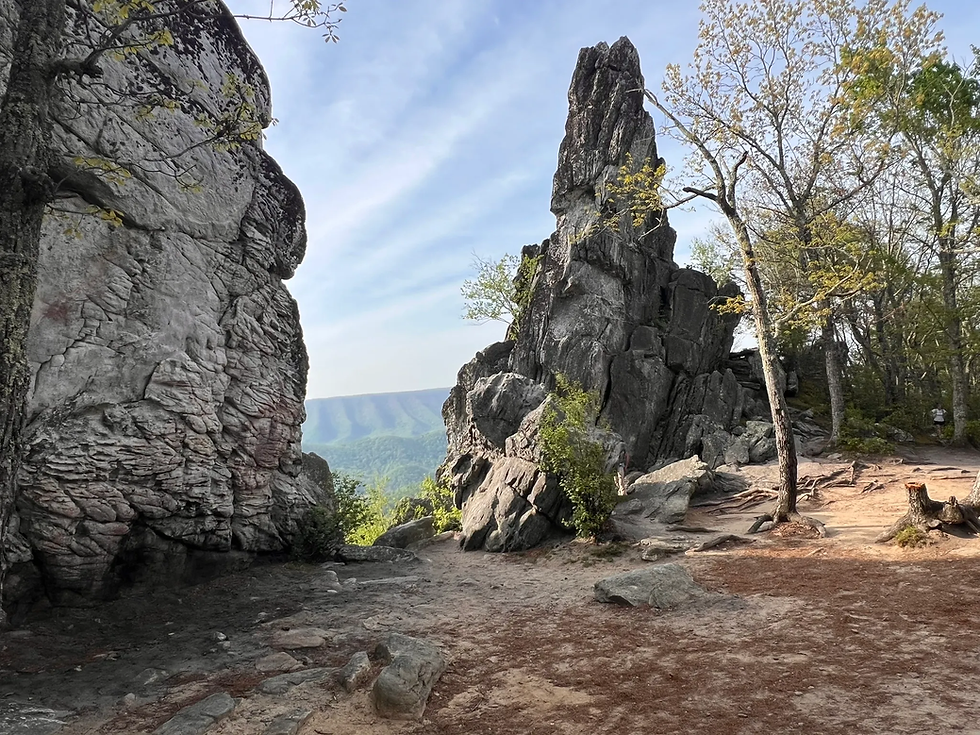
The highlight of the hike is reaching the ridge of Shortoff Mountain. Here, the forest opens up to reveal expansive views of the Linville Gorge. From this vantage point, you can see the Linville River snaking through the valley floor, surrounded by towering cliffs and dense forests. The panorama extends to distant mountain peaks, creating a breathtaking scene that rewards every step taken.
Wildlife and Plant Life Along the Trail
The Shortoff Mountain Trail passes through diverse habitats that support a variety of wildlife and plant species. Birdwatchers may spot hawks, woodpeckers, and songbirds, while hikers might see deer, squirrels, or even the occasional black bear in the distance.
The forest is rich with native plants such as rhododendrons, mountain laurels, and wildflowers that bloom seasonally. In spring, the trail bursts with color as wildflowers carpet the forest floor. Fall brings a spectacular display of reds, oranges, and yellows as the leaves change.
Respecting the natural environment is crucial. Stay on the trail to protect fragile plants and avoid disturbing wildlife. Carry out all trash and leave the area as pristine as you found it.
Safety Tips for Hiking Shortoff Mountain Trail
While the trail is rewarding, safety should always be a priority. Here are some important guidelines:
Hike with a partner or group whenever possible.
Inform someone of your plans and expected return time.
Carry a basic first aid kit for minor injuries.
Watch your footing on rocky or slippery sections.
Avoid hiking after dark to prevent accidents.
Be cautious near cliff edges and steep drop-offs.
Know your limits and turn back if the trail becomes too difficult.
By following these tips, you can enjoy the trail safely and make the most of your adventure.
What Makes Shortoff Mountain Trail Special
The Shortoff Mountain Trail stands out for combining physical challenge with stunning natural beauty. Unlike more crowded trails, it offers a sense of solitude and connection with the wilderness. The views from the ridge are some of the most impressive in the region, making the effort to reach them worthwhile.
The trail also provides a glimpse into the geological history of the area. The exposed rock faces and cliffs tell a story of millions of years of erosion and natural forces shaping the landscape.
For hikers seeking a memorable outdoor experience, the Shortoff Mountain Trail delivers a perfect balance of adventure, scenery, and tranquility.
Final Thoughts on Hiking Shortoff Mountain Trail
Exploring the Shortoff Mountain Trail in Linville Gorge offers a unique opportunity to experience one of North Carolina’s most beautiful natural areas. The trail challenges your body, rewards your spirit, and immerses you in a landscape shaped by nature’s power.
If you are looking for a hiking destination that combines rugged terrain with breathtaking views, this trail should be on your list. Prepare well, respect the environment, and take your time to enjoy every moment on the trail. The memories you make here will inspire you to return and explore even more of the Linville Gorge Wilderness.
Daffodil Flats
The Daffodil Flats hike in Linville Gorge offers an unforgettable outdoor experience for nature lovers and adventure seekers. This route features challenging rocky terrain, with cliffs in close proximity and seasonal water crossings. It is recommended that only experienced hikers attempt this trail, as it is not beginner-friendly. There are no signs indicating the way, so navigational skills are required. The trail is about 6 miles out and back with an elevation gain of about 1,700 feet.

What to Expect on the Daffodil Flats Hike
The trailhead for Daffodil Flats is located near the Linville Gorge Wilderness boundary. From the start, hikers will notice the peaceful sounds of the forest and the fresh scent of pine and wildflowers. The path is well-marked but can be rocky in places, so sturdy footwear is recommended.
Along the way, you will encounter:
Wildflower Meadows: In spring, the flats bloom with daffodils and other native flowers, creating a colorful carpet that contrasts with the green forest.
Scenic Overlooks: Several points along the trail offer panoramic views of the gorge and the Linville River below. These spots are perfect for resting and taking photos.
Wildlife Sightings: Keep an eye out for deer, birds, and small mammals that inhabit the area. Early-morning or late-afternoon hikes increase the chances of spotting wildlife.
Rock Formations: The trail passes by interesting rock outcroppings and cliffs that showcase the region's geological history.
Highlights Along the Trail
Daffodil Meadows
The namesake of the hike, the daffodil meadows, is a spectacular sight in early spring. These open areas burst with yellow blooms that brighten the forest floor. The contrast between the delicate flowers and the rugged cliffs nearby creates a unique photo opportunity and a moment to pause and appreciate nature’s cycles.
Linville River Views
Several overlooks provide sweeping views of the Linville River as it snakes through the gorge. The river’s clear waters reflect the surrounding cliffs and trees, adding a sense of calm and grandeur. These viewpoints are ideal for a break or a picnic, offering a chance to soak in the scenery.
Wildlife Encounters
The diverse habitats along the trail support a variety of animals. Bird watchers might spot hawks or woodpeckers, while hikers may see deer grazing or squirrels darting through the underbrush. Observing these creatures in their natural setting adds an element of discovery to the hike.
Geological Features
The exposed rock formations tell a story of millions of years of natural forces shaping the land. The cliffs and boulders display layers of sediment and unique textures that geology enthusiasts will appreciate. Even casual hikers can enjoy the dramatic landscape that frames the trail.
Tips for Photography
Daffodil Flats offers many chances to capture stunning images. Here are some suggestions to enhance your photography experience:
Shoot during golden hours (early morning or late afternoon) for soft, warm light.
Use the overlooks to frame wide shots of the gorge and river.
Focus on details like wildflowers, textured bark, or rock patterns for close-ups.
Include a person or object for scale when photographing vast landscapes.
Be patient and quiet to capture wildlife without disturbing them.
Final Thoughts on Daffodil Flats Hike
The Daffodil Flats hike in Linville Gorge offers a perfect blend of natural beauty, moderate challenge, and peaceful solitude. It invites hikers to explore a remarkable wilderness area filled with vibrant wildflowers, dramatic cliffs, and diverse wildlife. By preparing well and respecting the environment, visitors can create lasting memories and deepen their appreciation for this special part of North Carolina.
Hawksbill Mountain Trail
The Hawksbill Mountain Trail in Linville Gorge offers one of the most rewarding hiking experiences in the southeastern United States. The hike to the top of Hawksbill Mountain, at an elevation of 4,009 ft, is incredibly rewarding, offering panoramic views of the Linville Gorge "canyon," with the valley floor below you. On a clear day, you can even catch a glimpse of the Charlotte skyline! The short hike is strenuous, featuring a short climb. The trail is about 2 miles out and back with an elevation gain of about 700 feet.

Getting to Linville Gorge and Trailhead
Linville Gorge is located within the Pisgah National Forest in western North Carolina. The area is often called the “Grand Canyon of the East” because of its cliffs and deep valleys carved by the Linville River. To reach the Hawksbill Mountain Trailhead, most visitors drive to the Linville Falls area, where parking is available near the Linville Falls Visitor Center. From there, the trailhead is a short drive or a moderate hike, depending on your chosen route.
The trailhead for Hawksbill Mountain is well-marked and easy to find. It is important to arrive early, especially on weekends and during peak hiking seasons, as parking spaces fill quickly. The trail is open year-round, but spring through fall offers the best weather and trail conditions.
Trail Overview and Difficulty
Hikers should be prepared for uneven terrain, exposed roots, and some steep inclines. Proper footwear with good traction is essential. The trail is well-maintained but can be slippery after rain. Carrying enough water and snacks is recommended, as there are no facilities along the trail.
What to Expect on the Trail
The hike begins with a gradual ascent through dense hardwood forests. Early in the trail, you will notice a variety of native trees such as oak, hickory, and tulip poplar. Birdsong and the rustling of small wildlife accompany you as you move deeper into the gorge.
As you gain elevation, the forest opens up to reveal rocky outcrops and panoramic views of the surrounding mountains. One of the highlights is the series of overlooks near the summit, where you can see the Linville River winding through the gorge below.
The summit itself offers a truly spectacular 360-degree view. On clear days, you can see distant mountain ranges and the patchwork of forests and valleys that define this region. It’s a perfect spot to rest, take photos, and enjoy a packed lunch.
Wildlife and Plant Life Along the Trail
Linville Gorge is home to diverse wildlife. Hikers may spot white-tailed deer, wild turkeys, and a variety of songbirds. The area is also known for its black bear population, so it’s important to make noise while hiking and store food securely.
The plant life is equally impressive. In spring and summer, wildflowers such as trillium, violets, and mountain laurel bloom along the trail. The forest canopy changes color dramatically in the fall, making autumn hikes especially popular.
Why Hawksbill Mountain Trail Stands Out
The Hawksbill Mountain Trail combines physical challenge with stunning natural beauty. It's relatively short distance makes it accessible for a day hike, but the elevation gain and rocky terrain provide a satisfying workout. The views from the summit are among the best in the region, rewarding hikers with a sense of accomplishment.
This trail also offers a chance to experience the raw wilderness of Linville Gorge, one of the most rugged and least developed areas in the Appalachian Mountains. The combination of forest, river, cliffs, and wildlife creates a rich outdoor experience that few other trails can match.
Final Thoughts on Hiking Hawksbill Mountain Trail
For anyone seeking a memorable hike in the Blue Ridge Mountains, the Hawksbill Mountain Trail in Linville Gorge is a must-visit. It offers a perfect mix of challenge, beauty, and solitude. By preparing well and respecting the natural environment, hikers can enjoy a safe and rewarding adventure.
Plan your trip, pack your gear, and set out to explore one of North Carolina’s finest hiking destinations. The views from Hawksbill Mountain will stay with you long after the trail ends, inspiring future outdoor journeys.
Table Rock Trail
The Table Rock Trail in Linville Gorge offers one of the most rewarding hiking experiences in the Appalachian region. This trail combines challenging terrain with breathtaking views, making it a favorite for outdoor enthusiasts who want to connect with nature and test their endurance. The trail has steep inclines and declines, which will get your heart pumping. Watch your footing as there are plenty of rocks and roots.

The Table Rock Trail is one of the most popular routes in the gorge, leading hikers to the summit of Table Rock Mountain. This peak stands at about 3,500 feet and offers panoramic views of the surrounding mountains and valleys. The trail is a favorite for those who want to experience the raw beauty of the gorge while enjoying a physically demanding hike.
The Trail Experience
The hike begins at the Table Rock Trailhead, which is accessible via a gravel road off the Blue Ridge Parkway. From the start, the trail climbs steadily through a mixed hardwood forest. The path is narrow and rocky, with roots and boulders that require careful footing. The trail is about 6 miles out and back with an elevation gain of about 1,500 feet.
As you ascend, the forest opens up in places, revealing glimpses of the gorge below. The sound of the Linville River far beneath adds to the sense of wilderness. The trail passes through rhododendron thickets and patches of mountain laurel, which bloom beautifully in late spring and early summer.
One of the most striking features of the hike is the exposure near the summit. The last stretch involves scrambling over large rock slabs with steep drop-offs. This section demands caution but rewards hikers with stunning views.
Views from the Summit
Reaching the top of Table Rock Mountain is a moment of triumph. The summit offers a 360-degree view that stretches across the Linville Gorge Wilderness and beyond. You can see the winding Linville River far below, the rugged cliffs of Hawksbill Mountain, and the rolling Blue Ridge Mountains in the distance.
The rocky summit is a perfect spot to rest, eat, and soak in the scenery. Many hikers bring a camera to capture the dramatic landscape. The view changes with the seasons, from vibrant fall colors to the fresh greens of spring and the crisp clarity of winter.
Wildlife and Plant Life
Linville Gorge is home to diverse wildlife, and hikers on the Table Rock Trail may spot deer, black bears, wild turkeys, and a variety of birds. Early-morning or late-afternoon hikes increase the chances of wildlife sightings.
The plant life along the trail is equally impressive. The forest includes oak, hickory, and pine trees, while the understory features ferns, mosses, and wildflowers. The gorge’s unique microclimate supports some rare plant species, making it a fascinating area for nature lovers.
Final Thoughts on the Table Rock Trail Hike
The Table Rock Trail in Linville Gorge offers a memorable hiking experience that combines physical challenge with stunning natural beauty. The trail’s rugged terrain and breathtaking summit views make it a must-visit for hikers who appreciate wilderness and adventure.
Tips for Hiking Safely in Linville Gorge
The wilderness nature of Linville Gorge means hikers must be self-reliant and cautious. Here are some practical tips to ensure a safe and enjoyable hike:
Start Early: Begin your hike early in the day to allow plenty of daylight for your return.
Stay on Trails: Even though some trails are faint, avoid creating new paths to protect the environment and prevent getting lost.
Watch Your Step: The rocky terrain can be slippery, especially after rain. Take your time on descents.
Respect Wildlife: Observe animals from a distance and do not feed them.
Leave No Trace: Pack out all trash and minimize your impact on the natural surroundings.

What to Expect on the Trails
Hiking in Linville Gorge is a physically demanding but rewarding experience. Expect steep climbs, rocky scrambles, and occasional river crossings. The trails wind through dense hardwood forests, past cliffs with breathtaking views, and alongside the rushing Linville River.
Wildlife sightings are common, including black bears, wild turkeys, and a variety of songbirds. The flora changes with elevation, from rhododendron thickets in the lower areas to mountain laurels and pines higher up.
Camping is allowed in designated areas, but permits are required for overnight stays. The solitude and natural beauty make camping here a memorable experience.
Best Time to Visit
The best times to hike in Linville Gorge are spring and fall. Spring brings blooming wildflowers and cooler temperatures, while fall offers vibrant foliage and crisp air. Summer can be hot and humid, with more insects, and winter may bring snow and ice, making trails more hazardous.
Planning your visit during these optimal seasons enhances the hiking experience and safety.
What to Expect from the Experience
Hiking Linville Gorge is physically demanding but mentally rewarding. The solitude and natural beauty create a sense of peace and accomplishment. Many hikers describe the experience as transformative, a chance to disconnect from daily life and reconnect with nature.
You will encounter a variety of landscapes, from dense hardwood forests to rocky cliffs and riverbanks. Wildlife sightings are common, including deer, hawks, and sometimes black bears. The sound of rushing water and birdsong accompanies your trek.
Final Thoughts on Hiking in Linville Gorge
Linville Gorge offers an unforgettable hiking experience for those ready to embrace its challenges. The combination of rugged terrain, stunning views, and rich biodiversity makes it a destination worth exploring. Proper preparation and respect for the wilderness ensure a safe and enjoyable trip.
If you seek a hiking adventure that pushes your limits and rewards you with natural beauty, Linville Gorge should be on your list. Plan carefully, pack wisely, and get ready to experience one of the East Coast’s most remarkable wilderness areas.
Because of the scams going on with Airbnb and Vbro, I will not recommend places listed here on my blog. Here is a link to a couple of cases if you would like to read them.
Places to Stay:
You can show your appreciation with a virtual coffee if you have found value in my blog.

Do not forget to subscribe to get my monthly newsletter.
Some of the links found on my website are affiliate links. I earn from qualifying purchases as an Amazon Associate and an Expedia Associate. Through other links, I may also receive a small commission at no extra cost to you. Using them is a way to support me, help offset the cost of running this website, and ensure I can continue providing free content and resources.
I truly appreciate the support!


Comments