


Exploring the Avian Wonders of Santa Ana National Wildlife Refuge, Texas
- Crazydsadventures

- 2 days ago
- 5 min read
Birdwatching offers a unique way to connect with nature, and few places in the United States provide a richer experience than the Santa Ana National Wildlife Refuge. Located in the Rio Grande Valley of Texas, this refuge is a haven for bird enthusiasts, hosting hundreds of species year-round. Whether you are a seasoned birder or a curious beginner, Santa Ana offers an unforgettable opportunity to observe diverse birdlife in their natural habitat.
Why Santa Ana National Wildlife Refuge Is a Birdwatcher’s Paradise
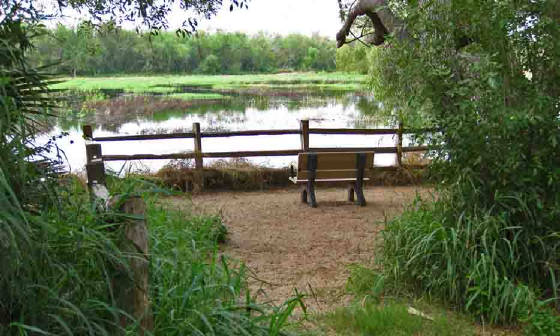
Santa Ana National Wildlife Refuge covers over 2,000 acres of wetlands, woodlands, and brushlands. This variety of habitats supports a remarkable range of bird species, making it one of the top birdwatching destinations in the country. The refuge lies along the migratory path known as the Central Flyway, which means many birds stop here during their seasonal journeys.
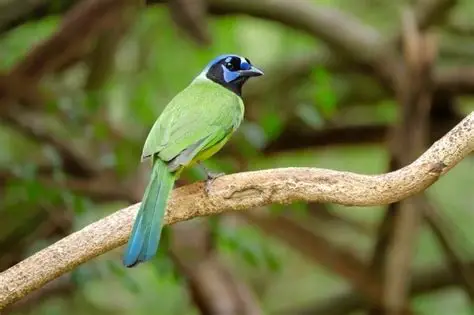
Birdwatchers can expect to see everything from colorful tropical species to native North American birds. The refuge is especially famous for sightings of rare and endangered birds, including the Green Jay, Altamira Oriole, and the endangered Ocelot, which shares the habitat with the avian residents.
Best Times to Visit for Birdwatching
The timing of your visit can greatly influence what birds you will see. The peak birdwatching seasons at Santa Ana are:
Winter (December to February): Many migratory birds from the north arrive here to escape the cold. This season offers opportunities to see species such as the Harris’s Hawk and the Crested Caracara.
Spring (March to May): This is the breeding season for many birds. You can witness courtship behaviors and hear a variety of bird songs. Migrants passing through include warblers and tanagers.
Fall (September to November): Another migration period when birds head south. This season offers a mix of resident and transient species.
Summer (June to August): While fewer migratory birds are present, the refuge is home to many resident species, and its lush environment supports nesting.
Planning your visit around these seasons will maximize your chances of spotting a wide variety of birds.
Essential Birdwatching Spots Within the Refuge
Santa Ana National Wildlife Refuge has several trails and observation points designed to enhance the birdwatching experience. Here are some key locations:
Nature Trail: This 1.5-mile loop passes through woodlands and wetlands. It is ideal for spotting songbirds, woodpeckers, and raptors.
Pond Loop Trail: A shorter trail that circles a pond attracting waterfowl, herons, and egrets.
Observation Tower: Located near the visitor center, this tower offers panoramic views of the refuge’s wetlands and is perfect for spotting birds in flight or perched in distant trees.
Hawk Tower: A specialized platform for observing raptors during migration seasons.
Each spot offers unique opportunities to see different bird species and enjoy the refuge’s natural beauty.
What Birds You Can Expect to See
Santa Ana National Wildlife Refuge is home to over 400 bird species. Some notable examples include:
Green Jay: Known for its vibrant green and blue feathers, this bird is a favorite among visitors.
Altamira Oriole: The largest oriole species in North America, with striking orange and black plumage.
Great Kiskadee: A loud and colorful bird often seen near water.
Northern Jacana: A wading bird with long toes that allow it to walk on floating vegetation.
Plain Chachalaca: A noisy bird often heard before it is seen, common in brushy areas.
Harris’s Hawk: A raptor that hunts cooperatively in groups.
Whooping Crane: Occasionally seen during migration, this endangered species is a highlight for birdwatchers.
The refuge also attracts many species of ducks, herons, and songbirds, making every visit different and exciting.
Tips for a Successful Birdwatching Experience
To make the most of your visit to Santa Ana National Wildlife Refuge, consider these practical tips:
Bring binoculars and a field guide: Binoculars will help you see birds clearly from a distance. A field guide specific to Texas birds can help with identification.
Wear comfortable clothing: Dress in layers and wear neutral colors to blend into the environment.
Start early: Birds are most active during the early morning hours.
Stay quiet and move slowly: Sudden movements and loud noises can scare birds away.
Use the visitor center: Rangers can provide maps, current bird sightings, and advice.
Respect wildlife and habitat: Stay on designated trails and avoid disturbing nests or feeding birds.
These simple steps will enhance your experience and help protect the refuge’s delicate ecosystem.
Additional Activities and Facilities
While birdwatching is the main attraction, Santa Ana National Wildlife Refuge offers other activities and facilities that complement your visit:
Photography: The diverse bird species and scenic landscapes provide excellent photo opportunities.
Educational programs: The refuge hosts workshops and guided tours that teach about local wildlife and conservation.
Picnic areas: Designated spots allow visitors to relax and enjoy the natural surroundings.
Visitor Center: Equipped with exhibits, restrooms, and helpful staff to assist visitors.
These amenities make the refuge accessible and enjoyable for families and individuals alike.

How to Get There and What to Bring
Santa Ana National Wildlife Refuge is located near Alamo, Texas, about 30 miles west of McAllen. The refuge is accessible by car, with parking available at the visitor center.
When preparing for your trip, pack the following essentials:
Water and snacks
Sunscreen and insect repellent
Binoculars and a camera
Comfortable walking shoes
Weather-appropriate clothing
A notebook or bird checklist for recording sightings
Planning will ensure a comfortable and rewarding visit.
Supporting Conservation Efforts
The refuge plays a critical role in protecting endangered species and preserving vital habitats. Visitors can support these efforts by:
Following the refugee rules and guidelines
Participating in volunteer programs
Donating to wildlife conservation organizations
Spreading awareness about the importance of habitat preservation
Your involvement helps maintain the refuge as a sanctuary for birds and other wildlife for generations to come.
Because of the scams going on with Airbnb and Vbro, I will not recommend places listed here on my blog. Here is a link to a couple of cases if you would like to read them.
Places to Stay:
You can show your appreciation with a virtual coffee if you have found value in my blog.

Do not forget to subscribe to get my monthly newsletter.
Some of the links found on my website are affiliate links. I earn from qualifying purchases as an Amazon Associate and an Expedia Associate. Through other links, I may also receive a small commission at no extra cost to you. Using them is a way to support me, help offset the cost of running this website, and ensure I can continue providing free content and resources.
I truly appreciate the support!


Comments