


Exploring Dawson and Pitamakin Pass in Glacier National Park, Montana
- Crazydsadventures

- 11 hours ago
- 4 min read
Glacier National Park offers some of the most breathtaking hiking experiences in the United States. Among its many trails, Dawson and Pitamakin Pass stand out for their stunning views, diverse terrain, and rich natural history. These passes provide hikers with a chance to explore the heart of the park’s rugged wilderness, encounter wildlife, and enjoy panoramic vistas that few other trails can match.

This post will guide you through what to expect on the Dawson and Pitamakin Pass trails, how to prepare for the hike, and tips to make the most of your adventure in Glacier National Park.
Overview of Dawson and Pitamakin Pass
Dawson and Pitamakin Pass are two adjacent mountain passes located in the northern part of Glacier National Park. They connect the Two Medicine and Cut Bank areas, offering a challenging but rewarding route for experienced hikers.
Dawson Pass sits at an elevation of approximately 7,500 feet. It is known for its steep ascent and spectacular views of surrounding peaks and valleys.
Pitamakin Pass lies just west of Dawson Pass and is slightly lower in elevation, around 7,200 feet. It features a gentler climb and opens up to beautiful alpine meadows.
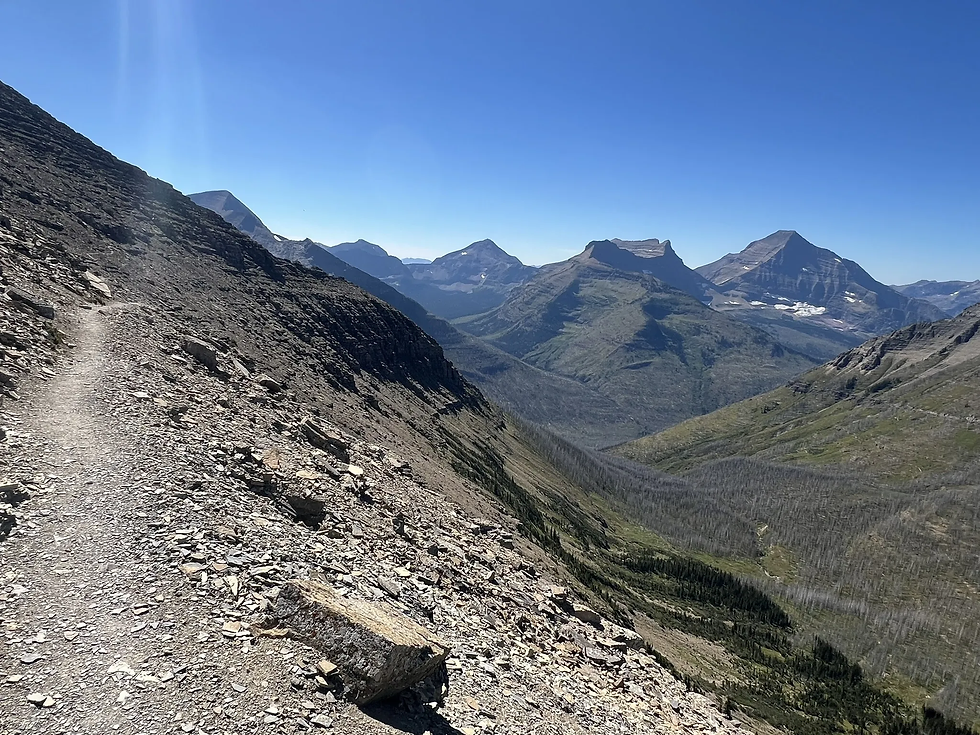
Both passes are part of the Continental Divide Trail network and provide access to remote backcountry areas. The terrain includes rocky slopes, wildflower-filled meadows, and dense forests, making the hike diverse and visually captivating.
Getting to the Trailheads
The most common starting point for hikes to Dawson and Pitamakin Pass is the Two Medicine area. The Two Medicine Trailhead is accessible by car and offers parking facilities, restrooms, and a visitor center where you can obtain maps and current trail conditions.
From the Two Medicine Trailhead, the hike to Dawson Pass is about 7 miles one way.
The route to Pitamakin Pass is slightly shorter, approximately 6 miles one way.
Both trails are well-marked but can be steep and rocky in sections, so sturdy hiking boots and trekking poles are recommended.
What to Expect on the Hike
Terrain and Difficulty
The hike to Dawson and Pitamakin Pass is rated moderate to strenuous. The elevation gain is significant, especially on the Dawson Pass route, which climbs steadily through forested areas before reaching the alpine zone.
Expect rocky switchbacks and uneven surfaces.
The trail passes through subalpine forests dominated by spruce and fir trees.
Above the tree line, hikers encounter open meadows filled with wildflowers during the summer months.
Wildlife and Flora
Glacier National Park is home to a variety of wildlife, and hikers on these trails often spot animals such as:
Mountain goats navigating cliffs
Marmots sunning on rocks
Pikas darting among boulders
Occasionally, black bears or grizzly bears (always maintain a safe distance and follow park guidelines)
The wildflower season peaks from late June to early August, with vibrant blooms of Indian paintbrush, lupine, and glacier lilies decorating the meadows near the passes.

Scenic Highlights
The views from both passes are among the best in the park. From Dawson Pass, hikers can see:
The rugged peaks of the Lewis Range
The expansive Two Medicine Valley below
Glacial cirques and alpine lakes shimmering in the sunlight
Pitamakin Pass offers a more intimate view of alpine meadows and nearby mountain ridges, perfect for photography and quiet reflection.
Preparing for the Hike
Essential Gear
Footwear: Durable hiking boots with good ankle support
Clothing: Layered clothing to adjust for changing temperatures; a waterproof jacket for sudden rain
Navigation: Trail map, compass, or GPS device
Food and Water: At least 2 liters of water per person and high-energy snacks
Safety: Bear spray, first aid kit, and whistle
Timing and Weather
The best time to hike Dawson and Pitamakin Pass is from mid-July to early September when the trails are mostly free of snow. Weather in the mountains can change rapidly, so check the forecast before heading out and be prepared for cool temperatures and possible thunderstorms.
Permits and Regulations
Backcountry camping near the passes requires a permit from Glacier National Park. Day hikers do not need permits but should follow Leave No Trace principles to protect the fragile environment.
Tips for a Successful Hike
Start early in the morning to avoid afternoon thunderstorms and to enjoy cooler temperatures.
Pace yourself on the steep sections to conserve energy.
Take breaks at scenic spots to hydrate and enjoy the views.
Keep a safe distance from wildlife and never feed animals.
Pack out all trash and respect the natural surroundings.
Nearby Attractions and Extensions
After completing the hike, consider exploring other nearby trails or points of interest:
Two Medicine Lake: A beautiful spot for picnicking or renting a canoe.
Scenic drives: The Going-to-the-Sun Road offers spectacular views and access to other trailheads.
Backcountry camping: For experienced hikers, overnight trips can extend the adventure into the park’s remote areas.
Reflecting on the Experience
The journey through Dawson and Pitamakin Pass leaves a lasting impression. The combination of natural beauty, historical richness, and physical challenge creates a memorable adventure. Visitors often return with a deeper appreciation for the region’s landscape and heritage.
For those considering this trip, the key takeaway is to embrace both the journey and the destination. Each step offers a chance to discover something new, whether it’s a hidden viewpoint, a piece of history, or a moment of quiet reflection in nature.
Because of the scams going on with Airbnb and Vbro, I will not recommend places listed here on my blog. Here is a link to a couple of cases if you would like to read them.
Places to Stay:
You can show your appreciation with a virtual coffee if you have found value in my blog.

Do not forget to subscribe to get my monthly newsletter.
Some of the links found on my website are affiliate links. I earn from qualifying purchases as an Amazon Associate and an Expedia Associate. Through other links, I may also receive a small commission at no extra cost to you. Using them is a way to support me, help offset the cost of running this website, and ensure I can continue providing free content and resources.
I truly appreciate the support!


Comments