


Explore the Upper Delaware Scenic Byway, New York: Scenic Overlooks, Outdoor Adventures, and Local Events

If you enjoy this blog post, consider subscribing to get my newsletter.
Comments are always welcome and appreciated.
Some road trips are all about reaching the destination. The Upper Delaware Scenic Byway is not one of them. This one politely taps you on the shoulder every few minutes and says, “Hey, maybe pull over. You’re going to want to see this.”
Running along New York State Route 97 beside the Delaware River, the byway links a string of small river towns, dramatic overlooks, quiet parks, historic sites, farm stands, trailheads, and places where the water looks so inviting you’ll start wondering if “accidentally buying a kayak” counts as responsible vacation planning.
The route follows the Upper Delaware River through parts of New York’s Delaware, Sullivan, and Orange counties, with Pennsylvania often just across the water. It’s officially a scenic drive, yes, but it’s better thought of as a slow-travel corridor. You can make it a half-day cruise, a weekend escape, or the spine of a longer outdoor trip.
Here’s how to explore the byway without rushing past the good stuff.
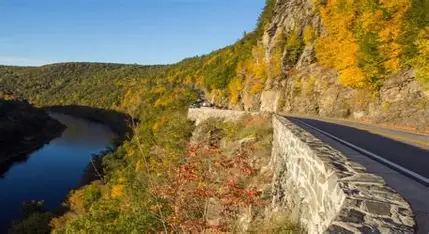
The drive itself is the main event.
The Upper Delaware Scenic Byway stretches for roughly 70 miles along NY-97, generally between Hancock and Port Jervis. The road hugs the river for much of the way, sometimes running right beside the water, sometimes climbing just high enough to give you that “oh wow” view around the next bend.
This isn’t an interstate-style road trip where coffee stops and gas station pretzels separate the highlights.. The highlights are right there: bald eagles circling above the river, old stone walls, wooded hills, silver water, narrow bridges, and tiny towns that feel designed specifically for lazy Saturday wandering.
A few towns and hamlets worth building your day around include:
Hancock
A northern gateway to the route, close to the meeting of the East and West branches of the Delaware River. This is a natural base if you’re interested in fishing, especially trout.
Long Eddy
Quiet, rural, and easy to miss if you’re driving too fast. Don’t. The river views in this stretch are lovely.
Callicoon
One of the byway’s best stops for food, antique shops, river access, and small-town charm. It’s the kind of place where a “quick stop” can become lunch, browsing, coffee, and suddenly, somehow, pie.
Cochecton
Known for historic character and access to the river valley’s farming and railroad past.
Narrowsburg
Artsy, walkable, perched high over the Delaware, and packed with reasons to park the car. It’s one of the route's most popular stops for galleries, dining, scenic views, and events.
Barryville
A favorite launch area for river trips, with nearby hiking and historic sites.
Port Jervis
The southern anchor of the byway, near the New York, Pennsylvania, and New Jersey border. It’s also close to one of the route's most famous views: Hawk’s Nest.
The best way to drive the byway is slowly. Build in extra time for overlooks, local shops, riverside walks, and the occasional “that barn looks photogenic” detour. If your itinerary is too tight, the byway will absolutely rebel. Scenic roads don't respect your spreadsheet.
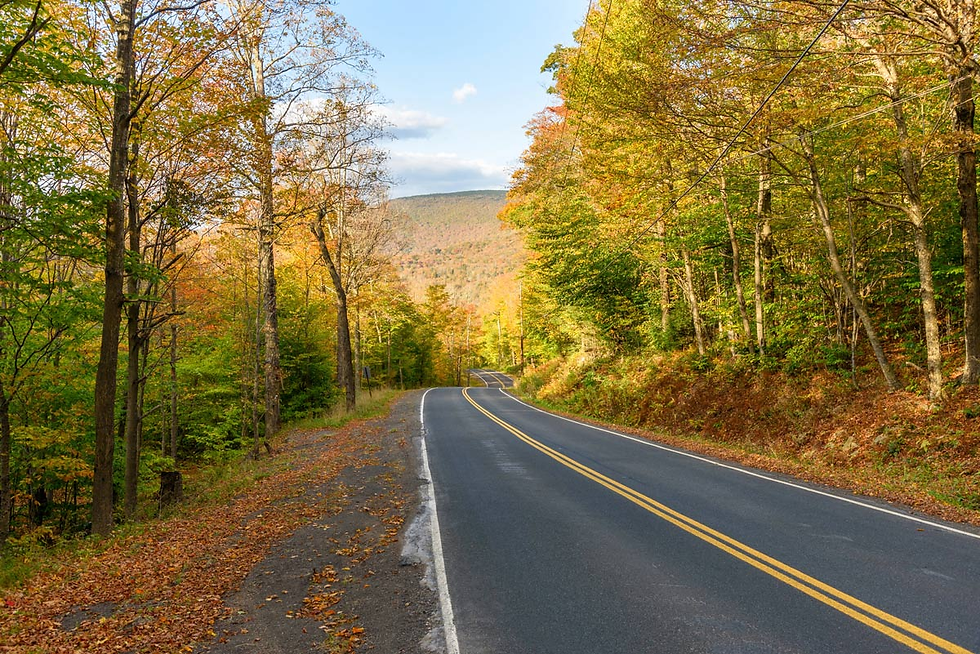
Here are the best scenic overlooks, parks, and historic stops along the way.
The route is full of places to pause, stretch, read a marker, or stare at the river like you’re in a moody indie film. Here are some of the big ones.
Hawk’s Nest gives you the postcard shot.
If you’ve seen a photo of a road curling high above the Delaware River, it was probably taken at Hawk’s Nest, just north of Port Jervis on NY-97.
This cliffside stretch is famous for its sweeping views over the river and the winding road itself. It’s one of the most dramatic sections of the Upper Delaware Scenic Byway in New York, and it feels a little like the highway decided to show off. Honestly, fair.
Pull-off areas let you stop safely and take in the view. Go early or during quieter seasons for a calmer experience, since this spot draws drivers, motorcyclists, photographers, and anyone whose camera roll needs a little drama.
Tip: Don’t stop in unsafe spots or linger in the roadway for photos. The curves are beautiful, but they’re still curves on an active road.
The Upper Delaware Scenic and Recreational River protects the valley's heart.
Much of the river corridor is part of the Upper Delaware Scenic and Recreational River, a National Park Service unit. Unlike a traditional national park with one main entrance, this protected river area stretches along the Delaware and includes access points, historic sites, river landings, and interpretive stops.
This designation helps preserve the clean water, natural scenery, wildlife habitat, and cultural history that make the byway so special. It also reminds us this is a living river valley, not a museum behind glass. People fish here, paddle here, farm nearby, run local businesses, and gather for community events.
If you’re planning to paddle, fish, or explore river access points, National Park Service information is a smart place to check before you go. River conditions can change quickly after rain, and seasonal rules or access details may shift.
Roebling’s Delaware Aqueduct blends engineering and river history.
Near the New York-Pennsylvania border, Roebling’s Delaware Aqueduct is one of the area’s most fascinating historic sites. Designed by John A. Roebling, who later became famous for his work connected to the Brooklyn Bridge, the aqueduct once carried canal boats over the Delaware River as part of the Delaware and Hudson Canal system.
Today, it carries vehicles across the river between New York and Pennsylvania. That’s right, you can drive across a historic aqueduct. History class rarely lets you do that.
The site gives you a look into the canal era, when the river valley played a key role in moving coal and goods. It’s also a great stop for anyone who likes bridges, industrial history, or the phrase “oldest surviving” attached to cool infrastructure.
Minisink Battleground Park adds a serious historic layer.
Near Barryville, Minisink Battleground Park marks the site of a Revolutionary War battle connected to the 1779 conflict between colonial militia and forces allied with the British. The park includes interpretive signs and quiet grounds that invite a slower, more reflective visit.
It’s a peaceful place now, which makes the history feel even more striking. Walk the grounds, read the markers, and give it time. This stop adds depth beyond the scenery, showing how the river valley has long been a corridor of movement, conflict, settlement, and survival.
Fort Delaware Museum brings colonial life into view.
In Narrowsburg, Fort Delaware Museum of Colonial History interprets early settlement life in the Upper Delaware region. It’s a seasonal attraction, so check before you go, but when open, it’s a good family-friendly stop.
You’ll find reconstructed colonial-era buildings and demonstrations that help put the river valley’s history into context. It’s especially useful if you’re traveling with kids who need something more interactive than another “look at this pretty view” stop. That said, the views are doing their best.
Narrowsburg overlooks the river with style.
Narrowsburg deserves more than a drive-through. The town’s Main Street sits above the Delaware River, with scenic viewpoints, galleries, shops, cafes, and often a strong calendar of community events.
The overlook near town offers a broad view of the river below, and the compact downtown makes it easy to wander without a full plan. This is a good place to break for lunch, pick up something local, or pretend you’re just browsing when you’re clearly about to buy that handmade mug.
River access points turn the drive into an adventure.
All along the byway, you’ll find public river access points, boat launches, and outfitters, especially around towns like Barryville, Narrowsburg, Callicoon, and Hancock. Some are simple spots to launch a canoe or cast a line. Others connect with guided trips, rentals, and shuttle services.
Since river conditions vary, always check local guidance before getting on the water. The Delaware may look calm from a roadside overlook, but rivers love surprises. They’re basically nature’s version of a group chat where nobody tells you the full plan.
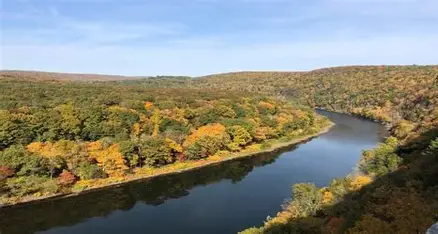
Outdoor adventures make the byway more than a pretty drive.
You can enjoy the byway from the car, but the area really opens up when you step outside. Hiking boots, fishing rods, paddles, binoculars, bikes, and picnic blankets all belong here.
Hiking ranges from gentle walks to ridge views.
The Upper Delaware region has a nice mix of trails, from short strolls to more demanding hikes. Some of the best-known hiking areas sit close to the byway or just a short drive away.
Tusten Mountain Trail, near Narrowsburg, is a favorite for hikers who want forest, quiet, and views of the river valley. It’s a moderate loop, so bring real shoes, water, and the understanding that “moderate” still means your calves may file a complaint.
Bouchoux Trail to Jensen’s Ledges, near Lordville, is another beloved hike with a rewarding overlook. It’s steeper in places and can be muddy or slippery depending on the weather, but the payoff is a big view over the Upper Delaware Valley.
Around Port Jervis, you’ll find more trails and parks, including access to high points and river views. If you’re pairing Hawk’s Nest with a hike, give yourself time. It’s easy to underestimate the southern end of the byway because the big overlook gets all the attention.
For hiking, keep these simple tips in mind:
Wear sturdy shoes, especially after rain.
Bring bug spray in late spring and summer.
Check trail conditions before heading out.
Don’t rely only on cell service.
Pack out everything you bring in.
The trails here aren’t theme-park polished, and that’s part of the appeal. Just don’t treat a forest trail like a mall walk with squirrels.
Fishing is a big deal on the Upper Delaware.
The Upper Delaware is well known among anglers, especially for trout fishing in and around the upper branches near Hancock. The river system also supports warm-water fishing in various stretches, including smallmouth bass in many areas.
Fly fishing is strong here, and you’ll see anglers working pools, riffles, and shaded banks throughout the season. If you’re new to the area, a local guide can be worth it, not because you can’t figure things out, but because river knowledge is priceless. Also, fishing guides have a magical ability to say things like “try that seam” and actually know what they mean.
A few reminders:
You’ll need the proper New York or Pennsylvania fishing license, depending on where you fish.
Regulations can vary by river section, species, and season.
Catch-and-release practices help protect the fishery.
Wading conditions can change quickly.
If fishing is the main reason for your visit, consider staying near Hancock, Callicoon, or another river town with easy water access.
Kayaking, canoeing, and rafting are summer classics.
Paddling is one of the best ways to experience the Upper Delaware. From the water, the byway feels different. The road disappears in places, the cliffs rise higher, and the river slows everything down. Even your snack choices feel more profound in a canoe.
Popular paddling sections vary by water level and experience, but towns like Barryville, Narrowsburg, and Callicoon are common starting points for guided trips and rentals. Outfitters in the region typically offer canoes, kayaks, rafts, tubes in some areas, and shuttle service.
Beginners should choose a calm section and go with a reputable outfitter. The Delaware is often friendly to new paddlers, but it’s still a real river with currents, rocks, strainers, cold water risks, and changing conditions.
Before you launch:
Wear a life jacket, not just “bring” one.
Check river levels and weather.
Avoid paddling after heavy rain unless conditions are confirmed safe.
Secure your phone and keys in a dry bag.
Bring water, sunscreen, and shoes that can get wet.
Don’t bring glass containers.
Spring water can be cold even on warm days, while summer weekends can be busy. For a quieter paddle, aim for a weekday morning if your schedule allows.
Birding and wildlife watching reward patient travelers.
The Upper Delaware River valley is excellent for wildlife watching. Bald eagles are a major draw, especially in winter, when migrating and wintering eagles gather near open water. You may also spot herons, kingfishers, hawks, deer, foxes, and plenty of smaller birds.
Bring binoculars if you have them. If not, bring patience. Wildlife tends not to appear on command, which is inconsiderate but very on-brand for wildlife.
Winter eagle watching is especially popular around areas with river access and open views. Keep a respectful distance from birds and nesting areas. A good rule: if your presence changes an animal’s behavior, you’re too close.
Biking and motor touring bring their own kind of joy.
NY-97 attracts cyclists and motorcyclists because of its curves, scenery, and river-hugging route. If you’re biking, plan carefully. Some stretches have narrow shoulders, and traffic can move quickly. Experienced road cyclists may enjoy portions of the route, but casual riders should look for quieter side roads or local paths.
Motorcyclists, meanwhile, love the flowing curves, especially near Hawk’s Nest. Just remember that scenery and sharp curves compete for your attention. Let the passenger admire the view, or pull over. The river will still be there in 30 seconds.

The best times to visit depend on your favorite kind of beautiful.
No season is bad on the Upper Delaware Scenic Byway, but each one has a different personality. Think of it like the same friend showing up in four very different outfits.
Spring brings high water, wildflowers, and fishing energy.
Spring is a great time if you’re interested in fishing, waterfalls, budding trees, and quieter town visits before peak summer traffic. The river may run higher and colder, so paddlers need to be cautious and check conditions carefully.
Late spring often brings greener hillsides, blooming things, and comfortable hiking weather. Trails can be muddy, though, so don’t wear your “cute but useless” shoes unless you enjoy regret.
Summer is for paddling, farmers markets, and long daylight.
Summer is the classic season for kayaking, canoeing, rafting, tubing in approved areas, camping nearby, outdoor dining, and weekend events. Towns like Narrowsburg, Callicoon, Barryville, and Hancock tend to feel more active, with visitors on the river and patios filling up.
This is also when you’ll find many seasonal museums, outfitters, farm stands, and festivals in full swing. The tradeoff is more traffic and busier river access points, especially on weekends.
If you want the summer fun without the thickest crowds, try:
Weekday paddling trips
Early morning hikes
Late afternoon scenic drives
Dinner reservations where available
A flexible plan in case parking is tight
Fall is the show-off season.
Fall might be the most photogenic time to drive the byway. The hills turn red, orange, gold, and bronze, and the river reflects it all like it knows exactly what it’s doing.
Peak foliage varies each year based on weather, elevation, and location, but October is often the prime month in this part of New York. Weekends can get busy, especially around popular overlooks and towns, so it pays to start early.
Fall is ideal for:
Scenic drives
Photography
Hiking
Farm markets
Harvest festivals
Cozy small-town weekends
Bring layers. River valleys can be chilly in the morning and surprisingly warm by afternoon. Dressing for fall in the Northeast is less a fashion choice and more a light engineering project.
Winter is quiet, stark, and perfect for eagle watching.
Winter brings a calmer version of the byway. Some seasonal businesses close or reduce hours, and weather can affect driving, but the bare trees open up views that summer hides.
This is one of the best times for bald eagle watching along the Upper Delaware. Eagles gather near open water, and local winter programming sometimes centers on safe, respectful viewing.
If you visit in winter:
Check road conditions.
Keep an emergency kit in the car.
Call ahead before visiting seasonal attractions.
Bring binoculars.
Dress warmer than you think you need to.
Winter here is beautiful, but it has no interest in your cute little city jacket.

Local events and festivals give the byway its personality.
The scenery gets you here. The towns make you want to stay.
Communities along the Upper Delaware host events year-round, especially from spring through fall. Schedules change, so check local tourism sites, town calendars, and venue pages before building a trip around a specific event. Still, a few event types are common enough to plan for.
River festivals celebrate the Delaware.
Narrowsburg and other river towns often host events tied to the Delaware River, local art, conservation, music, and food. These gatherings are a great way to experience the region beyond the viewpoint pull-offs.
Expect a mix of local vendors, environmental groups, artists, live music, kids’ activities, and food. Basically, the river valley puts on its nice shirt and invites everyone over.
Farmers markets keep weekends delicious.
Farmers markets are a major part of the region’s warm-weather rhythm. Callicoon, Barryville, and nearby towns often have seasonal markets featuring produce, baked goods, meats, cheeses, flowers, honey, prepared foods, and crafts.
If you’re staying overnight, markets are perfect for picnic supplies. If you’re not staying overnight, they’re perfect for buying snacks you didn't plan for but now cannot live without.
Arts and film events bring culture to the river towns.
Narrowsburg has a strong arts scene, with galleries, performances, literary events, and film programming year-round. The Delaware Valley Arts Alliance and local venues help anchor that creative energy.
Fall film events and arts weekends pair well with foliage season. Spend the day driving and hiking, then spend the evening watching something thoughtful indoors while your legs quietly recover.
Harvest events and fall festivals make autumn even better.
Fall brings apple, pumpkin, craft, music, and harvest-themed events across the broader region. You’ll find small-town celebrations, maker markets, local food events, and family-friendly festivals.
These are especially fun if you like scenic drives with cider doughnuts, which is the right way to enjoy them.
Eagle-watching programs brighten up winter.
Winter eagle watching is one of the Upper Delaware’s signature seasonal experiences. Local organizations and public agencies may offer eagle-viewing guidance, educational programs, or viewing events during the colder months.
If you go, bring binoculars and give eagles plenty of space. The goal is to observe, not to make a majestic bird wonder why a human in a puffy coat is creeping closer.

A simple weekend itinerary for the Upper Delaware Scenic Byway.
You can explore the route in lots of ways, but if you want an easy plan, here’s a flexible weekend that balances driving, outdoors, food, history, and tiny-town wandering.
Friday evening
Arrive in or near one of the river towns. Narrowsburg, Callicoon, Barryville, Hancock, and Port Jervis all make sense depending on which section you want to focus on.
Keep the first night simple:
Check into lodging.
Take a short walk near town.
Eat somewhere local.
Watch the sunset near the river, if you can.
Don’t over-plan Friday. By the time you arrive, your brain may be operating at “where did I put my charger?” speed.
Saturday morning
Start with a scenic drive along NY-97. If you’re staying north, head south toward Narrowsburg and Barryville. If you’re staying near Port Jervis, start with Hawk’s Nest before traffic picks up.
Stop for overlooks and small towns. Build in time for coffee, because road trips run on scenery and caffeine. That’s science-adjacent.
Possible morning stops:
Hawk’s Nest
Narrowsburg overlook
Callicoon shops and riverfront
Roebling’s Delaware Aqueduct
Fort Delaware Museum when open
Saturday afternoon
Pick one main outdoor activity. Don’t try to hike, paddle, fish, shop, visit every historic site, and attend a festival all in one afternoon unless your vacation style is “friendly chaos.”
Choose one:
Paddle a calm river section with an outfitter.
Hike Tusten Mountain Trail or another nearby route.
Fish with a local guide or at a legal access point.
Visit Minisink Battleground Park and nearby river stops.
Spend the afternoon browsing Narrowsburg or Callicoon.
If you’re paddling, reserve ahead during summer weekends. If you’re hiking, start early enough to finish before dark.
Saturday evening
This is the time for a good meal, live music if available, or a local event. Check town calendars before your trip and see what lines up.
If nothing formal is happening, that’s fine. A quiet dinner and a riverside sunset can beat a packed schedule. The Delaware River is great entertainment on its own.
Sunday
Use Sunday for whatever you missed:
A farmers market
A short hike
One last overlook
A museum stop
A slow breakfast
A final scenic stretch of NY-97
Then take the long way home if you can. The byway has a way of making regular roads feel a little rude afterward.
Practical tips for planning your trip.
A little preparation goes a long way here. The route is easy to enjoy, but a little planning helps.
Download maps before you go. Cell service can be spotty in the river valley and surrounding hills.
Bring cash. Many places take cards, but small vendors, farm stands, parking areas, or events may be easier with cash.
Check seasonal hours. Museums, outfitters, restaurants, and shops may have limited hours outside peak season.
Make river plans with safety in mind. Use local outfitters, check water levels, wear a life jacket, and don’t paddle beyond your skill level.
Book lodging early for summer and fall weekends. The nicest weekends fill up, especially during foliage season.
Respect private property. Not every pretty riverbank is public access. Use marked launches, parks, and official access points.
Watch for wildlife while driving. Deer, turkeys, and other animals are common. Also watch for people slowing down suddenly for views, because scenic roads turn everyone into a part-time photographer.
Leave room in the plan. The best parts of this route often happen between the named stops.

FAQ
Where does the Upper Delaware Scenic Byway start and end?
The byway follows NY-97 for about 70 miles along the Upper Delaware River, generally between Hancock and Port Jervis in New York. Many travelers drive only a section, especially around Narrowsburg, Barryville, Callicoon, or Hawk’s Nest.
How long does it take to drive the whole byway?
You could drive it in a couple of hours without many stops, but that misses the point. Plan at least half a day. A full day or weekend is better if you want to hike, paddle, eat locally, and visit historic sites.
Is the byway good for families?
Yes. Families can enjoy scenic stops, short walks, river trips with experienced outfitters, farmers' markets, museums, and wildlife watching. Choose activities based on age, comfort level, and river conditions.
When is the best time for fall foliage?
October is often the best month for fall color in the Upper Delaware region, though the exact timing changes each year. Check regional foliage reports before your trip if color is your main goal.
Can beginners kayak on the Delaware River?
Yes, beginners can paddle some sections with the right conditions and support. Go with a local outfitter, choose an appropriate route, wear a life jacket, and avoid paddling when water is high, cold, or fast.
Let the river set the pace.
The Upper Delaware Scenic Byway isn’t the kind of trip you “complete.” It’s the kind you return to, because there’s always another overlook, another trail, another market table full of local jam, another bend in the river catching the light just right.
Come for Hawk’s Nest, the historic aqueduct, the river towns, the paddling, the fishing, or the fall color. Then leave with a slightly slower heartbeat and a strong suspicion that you should’ve booked one more night.
Pack snacks, bring layers, charge your camera, and don’t rush the curves. The Delaware River has been taking its time for a very long while. You might as well do the same.
You can show your appreciation with a virtual coffee if you have found value in my blog.

Don’t forget to sign up for my monthly newsletter.
Some links on my website are affiliate links. I earn from qualifying purchases as an Amazon Associate and an Expedia Associate. Through other links, I may also receive a small commission at no extra cost to you. Using them supports me, helps offset the cost of running this website, and helps me keep providing free content and resources.
I truly appreciate the support!


Comments