


Explore the Breathtaking Trails of Hiking Zion National Park, Utah

If you enjoy this blog post, consider subscribing to get my newsletter.
Comments are always welcome and appreciated.
Zion doesn’t ease you in. One minute you’re stepping off a shuttle, and the next you’re staring up at sandstone cliffs that rise like giant red walls into the Utah sky. The trails here feel big, bold, and a little wild, which is exactly why hiking in Zion National Park belongs on so many bucket lists.
This park isn’t just about famous hikes like Angels Landing and The Narrows, though they absolutely earn the hype. Zion also has easy riverside walks, quiet canyon overlooks, family-friendly routes, and tougher climbs that reward you with views you’ll replay in your head for years.
Here’s how to choose the right trail, pack the right gear, stay safe, and time your trip so Zion feels like an adventure, not a scramble.

Discovering Zion National Park’s Unique Landscape
Zion National Park is located in southwestern Utah and covers over 146,000 acres. The Virgin River shaped the park's landscape, carving deep canyons through layers of red and white sandstone. This geological history creates dramatic cliffs, narrow slot canyons, and lush hanging gardens. Elevation ranges from about 3,600 feet to over 8,700 feet, creating varied climates and habitats.
The park’s trails wind through this diverse terrain, giving hikers chances to see wildlife, wildflowers, and breathtaking views. Many trails follow the river or climb to high viewpoints, giving a sense of the park’s scale and beauty.
Dogs at Zion National Park
Keep dogs out of the water and on a leash while in Zion. Dogs may ingest cyanobacteria in untreated water, exposing them to cyanotoxins. Check out this website for current information about toxic cyanobacteria.
Please follow the rules of B.A.R.K!
Bag Your Pet’s Poop, Always Wear a Leash, Respect Wildlife, and Know Where You Can Go.
Dogs are only allowed on one hiking trail in Zion National Park. This is the Pa’rus Trail. DO NOT bring your dog!! They basically aren’t allowed anywhere in the park, except for the trail mentioned. You CANNOT leave your dog unattended! So don’t think you can do a quick hike and leave your fluffy friend in the car because you can’t. It can easily get over 100 degrees Fahrenheit here during the summer daytime, and that means it is even hotter in your car.
Zion has three campgrounds, and your pet is welcome at all of them. They must be on a leash at all times, make no excessive noise, and cannot be left here unattended while you are out hiking.
I know this may be hard, but the best option is to leave your pet at home so you can enjoy your adventure. This protects your pet and the wildlife.
Essential Trails to Experience
Zion has over 90 miles of hiking trails, ranging from easy walks to challenging climbs. Here are some of the most popular and rewarding hikes:
Angels Landing
Angels Landing stands as one of the most thrilling and iconic hikes in Zion National Park. Known for its cliffs, narrow ridges, and breathtaking views, this trail attracts adventurers from around the world. If you plan to hike Angels Landing, this guide gives you everything you need for a safe, enjoyable, unforgettable experience.

What Makes Angels Landing Special
Angels Landing offers a unique combination of challenge and reward. The trail climbs about 1,500 feet over 2.5 miles to reach a narrow rock fin with sheer drop-offs on both sides. The final stretch includes chains bolted into the rock to help hikers navigate the exposed sections. The panoramic views of Zion Canyon from the summit are unmatched, making the effort worthwhile.
This hike is not for the faint of heart. It demands good physical fitness, a steady nerve, and careful attention to safety. Yet, for those who complete it, Angels Landing provides a sense of accomplishment and stunning natural beauty that few other hikes can match.
The Trail Experience
The Beginning
The hike starts at the Grotto Trailhead. The first part is a steady climb through a shaded forested area. This section is less exposed and allows you to warm up your legs. After about a mile, you reach Scout Lookout, a flat area with spectacular views and a good place to rest before the challenging final ascent.
The Final Ascent
From Scout Lookout, the trail becomes steep and narrow. Chains anchored in the rock help hikers navigate the exposed ridge. This section requires careful footing and a strong grip. In places, the trail narrows to just a few feet wide, with steep drop-offs on either side.
Take your time, watch your footing, and be patient with other hikers. The climb can be physically demanding and mentally intense, but the views along the way can keep you going.
The Summit
Reaching the summit of Angels Landing rewards you with sweeping views of Zion Canyon. You can see the Virgin River winding through the valley below and the towering cliffs that define the park. It’s a perfect spot to rest, take photos, and soak in the natural beauty.
After the Hike
Once you descend back to the trailhead, consider exploring other parts of Zion National Park. The nearby Emerald Pools Trail and Riverside Walk offer easier hikes with beautiful scenery. If you’re interested in local culture, visit the Zion Human History Museum to learn about the park’s geology and history.
Final Thoughts
Hiking Angels Landing is a memorable adventure that combines physical challenge with stunning scenery. Proper preparation, respect for the trail, and attention to safety will help you enjoy this iconic hike to the fullest. Whether you are an experienced hiker or a determined beginner, Angels Landing offers an experience that stays with you long after you leave Zion National Park.
The Narrows
The Narrows stands out as a unique adventure. This hike takes you through a narrow slot canyon carved by the Virgin River, with towering sandstone walls all around. It combines hiking with wading through water, offering stunning views and a chance to connect with nature in a way few trails allow.

Whether you are an experienced hiker or a nature enthusiast looking for a memorable day trip, this guide will help you prepare for the Narrows hike and make the most of your visit.
What Makes the Narrows Special
The Narrows is unlike typical hiking trails because much of the route follows the Virgin River itself. You will often find yourself walking in ankle-deep to waist-deep water, depending on the season and water flow. The canyon walls rise dramatically on both sides, sometimes narrowing to just a few feet across, creating a feeling of being in a natural cathedral.
This hike offers:
Unique scenery: Towering red rock walls with smooth curves and textures shaped by water over thousands of years.
A refreshing challenge: Walk through cool river water, balance on slippery rocks, and navigate natural obstacles.
Wildlife and plant life: Spotting birds, fish, and lush vegetation thriving in the canyon environment.
When to Go
The best time to hike the Narrows depends on water levels and weather conditions. Spring and early summer often bring higher water levels due to snowmelt, which can make the hike more challenging and sometimes dangerous. Late summer and fall usually offer lower water levels, making the hike easier and safer.
Check the Zion National Park website or visitor center for current river conditions and flash flood warnings before your trip. The park may close the Narrows during unsafe conditions.
Permits and Regulations
If you plan to hike the Narrows from the bottom up (starting at the Temple of Sinawava and going upstream), you don't need a permit for day hikes. However, if you want to do the full top-down hike, which is about 16 miles and usually done over one or two days, you will need a permit.
Permits are limited and can be reserved online months in advance. Apply early if you want to do the full hike.
How to Hike the Narrows
Bottom-Up Hike
The most popular way to experience the Narrows is the bottom-up hike. This route starts at the Temple of Sinawava shuttle stop and follows the Riverside Walk trail to the river’s edge. From there, you enter the river and hike upstream as far as you feel comfortable.
Many hikers turn around at Big Spring or Wall Street, which is about a 4- to 5-mile round trip. This hike can take anywhere from 3 to 6 hours, depending on your pace and how far you go.
Top-Down Hike
The top-down hike is more demanding and requires a permit. It starts at Chamberlain’s Ranch and follows the river downstream through the entire Narrows, ending at the Temple of Sinawava.
This hike covers about 16 miles and usually takes 10 to 12 hours. Most hikers camp overnight in the canyon or arrange a shuttle pickup at the end of the hike.
Safety Tips
Always check the weather forecast. Flash floods can occur suddenly and are extremely dangerous in slot canyons.
Start early to avoid crowds and afternoon heat.
Stay close to the riverbank where the current is slower.
Watch your footing carefully; rocks can be slippery and uneven.
Let someone know your plans and expected return time.
What to Expect on the Trail
The Narrows hike offers a mix of peaceful moments and thrilling challenges. You will pass through narrow sections where the canyon walls rise over 1,000 feet above you. The water temperature can be cool, especially in spring, so be prepared for chilly wading.
Along the way, you might see:
Wildlife such as canyon wrens, mule deer, and occasionally bighorn sheep.
Unique rock formations like potholes, alcoves, and smooth sandstone walls.
Natural pools and small waterfalls add to the scenic beauty.
The sound of rushing water and the play of light on the canyon walls create a serene atmosphere that many hikers find unforgettable.
Final Thoughts
The Narrows hike in Zion National Park offers a rare combination of adventure, beauty, and challenge. With proper preparation and respect for the environment, it can be a highlight of any visit to the park. Whether you choose the shorter bottom-up route or the full top-down trek, walking through the Virgin River surrounded by towering canyon walls will stay with you long after the hike ends.
The Watchman Trail
The Watchman Trail stands out for its breathtaking views and moderate challenge. This guide will walk you through everything you need to know to enjoy this hike safely and fully, from trail details to tips for making the most of your adventure.

What to Expect on The Watchman Trail
The Watchman Trail is a 3.3-mile loop located near the south entrance of Zion National Park. It offers a moderate hike with an elevation gain of about 400 feet. The trail leads to a viewpoint overlooking the Virgin River and the towering Watchman Peak, one of Zion’s iconic sandstone formations.
Hikers will enjoy a mix of shaded areas and open sections with panoramic views. The trail surface is mostly dirt with some rocky patches, so sturdy footwear is recommended. The hike typically takes 2 to 3 hours, depending on your pace and how often you stop to take in the scenery.
How to Get There
The trailhead is located near the Zion Canyon Visitor Center, just a short walk from the park’s south entrance. Parking is available at the visitor center, but it can fill up quickly during peak seasons. Arriving early or using the park shuttle system can help avoid parking issues.
Highlights Along the Trail
Watchman Peak Views: The trail’s namesake offers a stunning view of the Watchman rock formation, a favorite subject for photographers.
Virgin River Overlook: Near the trail’s end, you’ll see the Virgin River winding through the canyon below.
Wildlife Spotting: Watch for mule deer, lizards, and various bird species.
Flora: The trail passes through areas with desert plants such as yucca and prickly pear cactus, contributing to the unique landscape.
What Makes The Watchman Trail Special
Unlike some of Zion’s more strenuous hikes, the Watchman Trail offers a rewarding experience without requiring advanced hiking skills. Its manageable distance, moderate elevation, and spectacular views make it ideal for families, casual hikers, and photographers.
The trail also provides a quieter alternative to the busier Angels Landing and Emerald Pools trails. This means you can enjoy the natural beauty with fewer crowds, especially on weekdays or during shoulder seasons.
Nearby Attractions to Explore
After completing The Watchman Trail, consider visiting:
Zion Canyon Visitor Center: Learn about the park’s geology, history, and wildlife.
Pa’rus Trail: A flat, easy trail along the Virgin River, perfect for a relaxing walk or bike ride.
Canyon Overlook Trail: A short hike with dramatic views of Zion Canyon, located near the east entrance.
Final Thoughts on Hiking The Watchman Trail
The Watchman Trail in Zion National Park offers a perfect balance of challenge and beauty. It’s accessible for most hikers and delivers unforgettable views of one of America’s most iconic landscapes. Preparing well and respecting the environment will help keep your hike safe and enjoyable.
Floating Rock
The Floating Rock Trail stands out as a unique adventure. This trail invites hikers to explore stunning rock formations, panoramic views, and a peaceful connection with nature. If you want to experience a hike that combines natural beauty with a sense of discovery, the Floating Rock Trail in Zion is a perfect choice.

Preparing for The Hike
This hike is 6.4 miles in length and has an elevation gain of about 1,600 feet. It's a moderately difficult hike that takes about 4 hours to complete. Waterproof gear is recommended.
Discovering the Floating Rock Trail
The Floating Rock Trail is not just another path through Zion; it is a journey through a landscape shaped by millions of years of geological activity. The trail gets its name from a remarkable rock formation that appears to hover above the canyon floor. This natural wonder captures the imagination and offers a memorable highlight for anyone who ventures along the route.
As you hike, you will notice the contrast between the smooth sandstone cliffs and the rugged terrain below. The trail winds through narrow passages and open spaces, providing a variety of perspectives on Zion’s dramatic scenery. Walking alongside ancient rocks that seem to defy gravity adds a magical element to the experience.
The Natural Beauty Along the Trail
One of the most unforgettable aspects of the Floating Rock Trail is the diversity of natural features you encounter. The trail passes through areas rich with desert flora, including towering pinyon pines and delicate wildflowers that bloom in the spring. The rocks' colors change throughout the day, shifting from warm reds and oranges to cooler shades as the sun moves across the sky.
Wildlife sightings are common, with birds soaring overhead and small mammals darting through the underbrush. The wind through the canyon and the occasional call of a distant bird create a peaceful soundtrack for your hike. This connection to nature is a key reason why many hikers return to Zion year after year.
Experiencing the Trail’s Unique Challenges
The Floating Rock Trail offers a moderate challenge that makes it accessible to many hikers while still providing a sense of accomplishment. The path includes steep sections and uneven surfaces that require careful footing and a steady pace. These challenges add to the satisfaction of reaching the trail’s highlights and encourage hikers to stay focused on their surroundings.
The trail’s elevation changes also provide opportunities to see Zion from different heights. From higher points, you can look out over the canyon and appreciate the park's vastness. These viewpoints are perfect for pausing and soaking in the scenery before continuing.
Why This Trail Stands Out in Zion
Zion National Park has many famous hikes, but the Floating Rock Trail offers a distinct experience. It combines geological wonder, natural beauty, and manageable difficulty. Unlike some more crowded trails, this route often feels quieter and more intimate, letting hikers connect more deeply with the environment.
The trail’s unique rock formation is a natural landmark that sparks curiosity and awe. It reminds us of the powerful forces that shape our planet and the delicate balance that allows such features to exist. Hiking this trail is not just a physical activity but a chance to reflect on nature’s artistry.
The Trail’s Role in Zion’s Ecosystem
Beyond its visual appeal, the Floating Rock Trail passes through important ecological zones within Zion. The variety of plant life supports a range of animal species, contributing to the park’s biodiversity. By walking this trail, hikers gain insight into the complex relationships between geology, climate, and living organisms.
The trail also highlights the importance of conservation efforts in Zion. Protecting these natural areas ensures that future generations can enjoy the same experiences and learn from the landscape. The Floating Rock Trail serves as a living classroom for understanding the environment.
Planning Your Visit to the Floating Rock Trail
Choosing the right time to hike the Floating Rock Trail can enhance your experience. Early mornings and late afternoons offer cooler temperatures and softer light, which brings out the rocks' colors. These times are also less crowded, creating a more peaceful atmosphere.
The trail is open year-round, but seasonal changes affect the scenery. Spring brings blooming wildflowers, while autumn offers crisp air and vibrant foliage. Winter hikes reveal a quieter side of Zion, with fewer visitors and a chance to see snow dusting the cliffs.
Embracing the Journey
Hiking the Floating Rock Trail is about more than reaching a destination. It is a chance to slow down, observe, and appreciate the natural world. The trail encourages mindfulness and curiosity, inviting hikers to notice details they might otherwise miss.
Each step along the path reveals new perspectives and surprises. Whether it’s the texture of the sandstone, the play of light and shadow, or the unexpected sight of a lizard basking on a rock, these moments create lasting memories.
Leaving with Lasting Impressions
The Floating Rock Trail offers an experience that stays with you long after the hike ends. The combination of stunning views, unique geology, and peaceful surroundings makes it a standout adventure in Zion National Park. For those seeking a hike that blends challenge with beauty, this trail delivers on every level.
By exploring the Floating Rock Trail, you connect with a part of nature that feels both ancient and alive. It reminds us of the power and wonder of the natural world and inspires a deeper appreciation for the landscapes we are lucky to explore.
Pa’rus Trail
The Pa’rus Trail stands out as a unique and accessible path that especially invites visitors to connect with nature. This trail is perfect for those who want to enjoy Zion's beauty without steep climbs or rugged terrain. Here are some unforgettable reasons to choose the Pa’rus Trail for your next hike.

Easy Access and Family-Friendly Path
This family-friendly hike is the only trail in Zion National Park where you can bring your dog. The trail is 3.3 miles with an elevation gain of about 150 feet. It should take about an hour to an hour and a half to complete.
The Pa’rus Trail is one of the few paved, relatively flat trails in Zion National Park, making it accessible to hikers of all ages and abilities. Whether you are traveling with children, seniors, or someone using a wheelchair, this trail offers a welcoming environment. The gentle terrain allows everyone to enjoy the stunning scenery without worrying about difficult footing or strenuous effort.
This accessibility makes the Pa’rus Trail a great option for families introducing young children to hiking or for visitors who prefer a more relaxed outdoor experience. The trail’s smooth surface also makes it popular for biking and walking pets, adding to its versatility.
Scenic Views Along the Virgin River
One of the Pa'rus Trail's most captivating features is its route alongside the Virgin River. The trail follows the river’s edge, offering uninterrupted views of the flowing water and surrounding cliffs. The river's sound adds a soothing soundtrack to your walk, enhancing the peaceful atmosphere.
Along the way, you will see a variety of plant life thriving near the water, including cottonwoods and willows. This lush greenery contrasts beautifully with the red rock formations that define Zion’s landscape. The combination of water, plants, and towering cliffs creates a dynamic, ever-changing scene perfect for photography or quiet reflection.
Wildlife Encounters in a Natural Setting
The Pa’rus Trail offers excellent opportunities to observe wildlife in their natural habitat. Birds such as California scrub jays, canyon wrens, and peregrine falcons are commonly spotted along the trail. You might also see mule deer grazing near the riverbanks or lizards basking on sun-warmed rocks.
Because the trail is less crowded than some of Zion’s more famous hikes, animals tend to be less disturbed and more visible. This makes the Pa’rus Trail a favorite spot for nature lovers and photographers seeking authentic wildlife moments.
Connection to Zion’s History and Culture
Walking the Pa’rus Trail also lets you connect with Zion National Park's cultural history. The trail passes through areas that were historically used by Native American tribes and early settlers. Interpretive signs along the path offer insights into the region’s natural and human history, enriching your hike with stories of the past.
This educational aspect adds depth to the hike, turning a simple walk into a journey through time. It helps visitors appreciate the land's significance beyond its natural beauty.
Perfect for Sunrise and Sunset Walks
The orientation and open views along the Pa’rus Trail make it an ideal spot for early-morning or late-afternoon hikes. At sunrise, the cliffs glow with warm colors as the sun rises over the horizon. In the evening, the setting sun casts long shadows and bathes the landscape in golden light.
These times of day offer cooler temperatures and softer lighting, making the trail even more enjoyable. The peacefulness of dawn or dusk enhances the sense of solitude and connection with nature, providing a memorable experience that lingers long after the hike ends.
Ideal for Relaxing and Unwinding
Unlike more strenuous hikes that demand focus and energy, the Pa’rus Trail invites you to slow down and take in your surroundings. The easy pace allows for moments of rest on benches or quiet spots along the river. You can pause to listen to birdsong, watch the water ripple, or breathe in the fresh air.
This trail is perfect for anyone looking to reduce stress and recharge. The combination of natural beauty, gentle exercise, and peaceful ambiance creates a restorative experience that benefits both body and mind.
Choosing the Pa’rus Trail means embracing a hiking experience that balances accessibility, natural beauty, and cultural richness. It offers a chance to enjoy Zion National Park in a way that welcomes all visitors, regardless of hiking skill or physical ability. Whether you want to explore with family, observe wildlife, or find a quiet place to reflect, the Pa’rus Trail delivers unforgettable moments.
Double Arch
The Double Arch Trail stands out as a must-see destination for hikers and nature lovers. This trail offers a unique opportunity to witness two massive sandstone arches side by side, a rare geological feature that draws visitors from around the world. Whether you are an experienced hiker or a casual explorer, the Double Arch Trail provides a rewarding experience filled with breathtaking views and memorable moments.

Preparing for The Hike
This hike is moderate and about 5 miles long. The elevation gain here is about 640 feet, and the route should take about two and a half hours to complete. Be prepared to cross the stream a lot. The group size limit is 12.
What Makes the Double Arch Trail Special
The Double Arch Trail is famous for its two enormous arches carved into the Navajo sandstone. These arches are not only impressive in size but also in their delicate balance and natural beauty. The trail leads you through a landscape shaped by millions of years of erosion, revealing rock layers that tell the Earth’s past.
The arches themselves are in a relatively secluded part of Zion, so you can enjoy the park’s serenity without the crowds often found at more popular spots. The trail is well marked and well maintained, making it accessible to most visitors with moderate fitness.
The Trail Experience
The Double Arch Trail is approximately 2.5 miles round trip, making it a manageable hike for most people. The path begins at the trailhead near the park’s main road and gradually ascends through a canyon filled with towering cliffs and desert vegetation.
Along the way, you will notice fascinating rock formations and the vibrant colors of the sandstone, ranging from deep reds to soft oranges. The trail offers several spots to pause, take in the views, or snap photos.
As you approach the arches, the scale of these natural wonders becomes apparent. The larger arch spans over 100 feet, while the smaller one sits just beside it, creating a striking visual contrast. The arches frame the sky and surrounding cliffs, providing excellent opportunities for photography and quiet reflection.
Why Visit the Double Arch Trail
The Double Arch Trail offers a unique combination of natural beauty, geological interest, and peaceful surroundings. It is a perfect destination for those who want to experience Zion National Park beyond the more crowded areas. The trail’s moderate length and accessible terrain suit families, solo hikers, and groups alike.
Visitors often describe the moment they first see the arches as awe-inspiring, a reminder of nature’s power and artistry. The trail also offers a chance to connect with the landscape in a way few other hikes do.
Final Thoughts on the Double Arch Trail
Exploring the Double Arch Trail in Zion National Park is a rewarding adventure that combines physical activity with stunning scenery. The trail’s unique arches and surrounding canyon create a memorable experience that stays with visitors long after they leave. If you plan a trip to Zion, add this trail to your itinerary to see one of the park’s most remarkable natural features.
Left Fork (Subway) Top Down Canyoneering Route
Zion National Park offers some of the most thrilling and scenic canyoneering experiences in the United States. Among them, the Left Fork Top Down route stands out for adventurers seeking a challenging, rewarding journey through narrow slot canyons, towering cliffs, and pristine wilderness. This route combines technical rappels, hiking, and swimming, making it a favorite for experienced canyoneers who want to explore Zion’s rugged backcountry from a unique perspective. This is a technical canyoneering tour through the left fork of North Creek rated at 3B III. This route requires technical gear and knowledge of canyoneering and rappelling. The route involves rappelling, scrambling, off-trail route finding, and several long, cold swims. It starts at the Wildcat Canyon Trailhead and ends at the Left Fork Trailhead.

Zion National Park offers some of the most thrilling and scenic canyoneering experiences in the United States. Among them, the Left Fork Top Down route stands out for adventurers seeking a challenging, rewarding journey through narrow slot canyons, towering cliffs, and pristine wilderness. This route combines technical rappels, hiking, and swimming, making it a favorite for experienced canyoneers who want to explore Zion’s rugged backcountry from a unique perspective.
This post covers everything you need to know about the Left Fork Top Down canyoneering route, including preparation tips, route details, safety considerations, and what to expect along the way.
What Makes the Left Fork Top-Down Route Special
The Left Fork Top-Down route is a classic Zion canyoneering adventure that starts at the canyon’s rim and descends through a series of rappels and natural obstacles to the canyon floor. Unlike bottom-up hikes, this top-down approach offers a continuous descent, letting you experience the canyon’s geology and beauty in motion.
Key features of this route include:
Multiple rappels ranging from 30 to 70 feet
Narrow slot sections with stunning sandstone walls
Natural pools and swimming spots
Remote wilderness experience away from crowded trails
This route is not for beginners. It requires solid technical skills, including rope work, anchor building, and route finding. The reward is an unforgettable adventure through one of Zion’s most spectacular canyons.
Preparing for the Left Fork Top Down Canyoneering Route
Preparation is critical for a safe and enjoyable trip on this route. Here are some essential steps to take before you go:
Gear Checklist
Ropes: At least two ropes totaling 200 feet, preferably static ropes for rappelling
Harness and rappel devices: Figure-eight or ATC devices work well
Helmet: Protects from falling rocks and bumps
Wetsuit or drysuit: Water temperatures can be cold, especially in pools
Canyoneering shoes: Good grip and quick drying
Personal anchor system: For securing yourself during rappels
Gloves: Protect hands during rope work
Navigation tools: Map, compass, GPS device
Emergency kit: First aid, whistle, and signaling device
Water and snacks: Hydration and energy for a long day
Physical and Technical Skills
Experience with multi-pitch rappelling and anchor building
Ability to swim in cold water and navigate slippery rocks
Good physical fitness for hiking, climbing, and rappelling
Familiarity with Zion’s weather patterns and flash flood risks
Permits and Regulations
Zion National Park requires permits for technical canyoneering routes. The Left Fork Top Down route is considered technical, so you must obtain a permit in advance through the park’s permit system. Check the official Zion National Park website for the latest information on permits, fees, and regulations.
Step-by-Step Guide to the Left Fork Top Down Route
Starting Point and Approach
The route begins at the Left Fork trailhead, accessible via a dirt road off the main Zion-Mount Carmel Highway. The approach hike to the canyon rim takes about 1 to 1.5 hours, depending on your pace. The trail climbs steadily, offering views of the surrounding cliffs and the canyon below.
The Descent
Once at the rim, you will gear up and begin the rappelling sequence. The route includes about 10 rappels, with heights ranging from 30 to 70 feet. Some rappels require careful anchor setup using natural features like trees and rock horns.
Key rappel sections include:
First rappel: A 50-foot drop into a narrow slot canyon
Mid-route rappel: A 70-foot descent into a deep pool, often requiring a swim
Final rappels: Several shorter drops leading to the canyon floor
Navigating Pools and Obstacles
The route features several natural pools that you will need to swim or wade through. Water levels vary seasonally, so expect cold water and slippery rocks. Use caution when entering pools, and always scout the exit points.
Exiting the Canyon
The route ends at the canyon floor near the confluence with the main Zion Canyon. From here, you can hike out along the Left Fork trail, which takes about 2 to 3 hours back to the trailhead. The exit trail is less steep but can be rocky and uneven.
Safety Tips for the Left Fork Top Down Route
Make safety your top priority on this challenging route. Here are some tips to keep in mind:
Check weather forecasts carefully. Flash floods are a serious hazard in Zion Canyon.
Never rappel alone. Always go with a partner or group experienced in technical canyoneering.
Test anchors thoroughly before committing your weight.
Carry a communication device, such as a satellite messenger, in case of an emergency.
Know your limits. Turn back if conditions become unsafe or if you feel unsure.
Leave no trace. Pack out all trash and respect the natural environment.
What to Expect on the Left Fork Top Down Route
The route offers a mix of physical challenge and natural beauty. Expect to spend 6 to 10 hours completing the descent, depending on your pace and group size. Along the way, you will encounter:
Towering sandstone walls with vibrant red and orange hues
Narrow slots that feel like natural corridors carved by water
Quiet pools reflecting the sky and cliffs
Occasional wildlife such as birds and lizards
The peaceful solitude of Zion’s backcountry
This route is a full-day adventure that tests your skills and endurance while rewarding you with some of the park's most stunning scenery.
Final Thoughts on the Left Fork Top Down Canyoneering Route
The Left Fork Top Down canyoneering route in Zion National Park offers a unique way to experience the park’s rugged beauty. It demands preparation, skill, and respect for the environment, but the payoff is a memorable journey through one of the Southwest’s most iconic landscapes.
Observation Point
The Observation Point trail stands out as one of its most rewarding adventures. This trail leads hikers to one of the park's highest viewpoints, offering panoramic views of Zion’s vast canyons and cliffs. If you’re planning a visit to Zion, the Observation Point trail should be at the top of your list for a challenging but unforgettable hike.
What Makes the Observation Point Trail Special
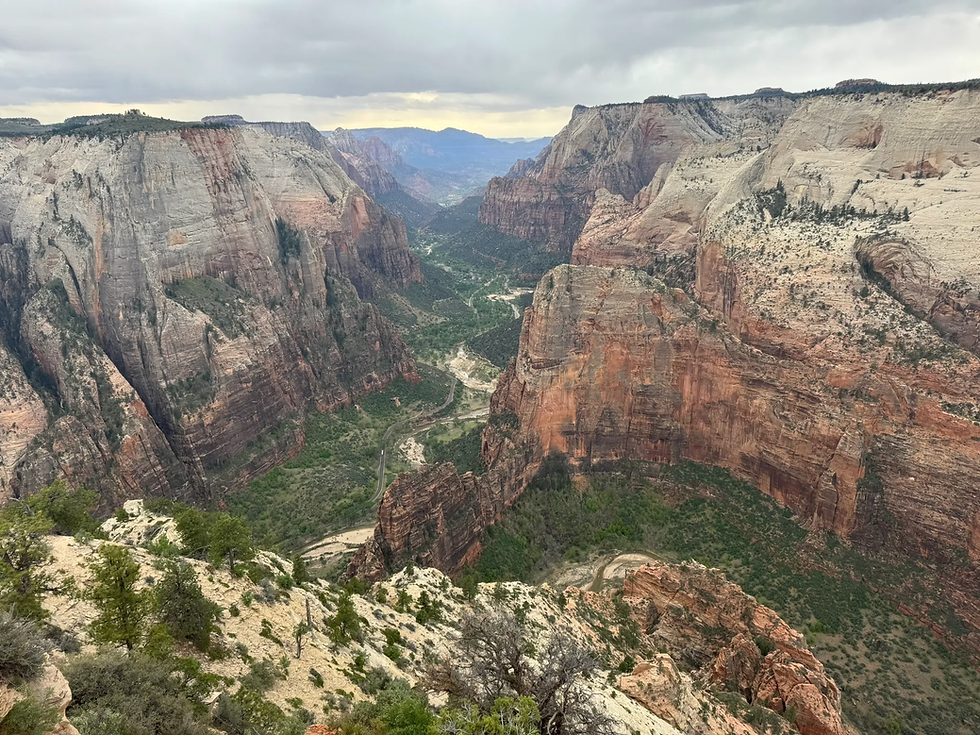
Observation Point rises about 2,100 feet above the canyon floor, offering a vantage point that surpasses even the famous Angels Landing viewpoint. From the summit, you can see the winding Virgin River, the Checkerboard Mesa, and the towering sandstone cliffs that define Zion’s landscape. The trail takes you through diverse terrain, including shaded forest sections, steep switchbacks, and open ridges.
The trail is about 8 miles round-trip and is considered strenuous because of its elevation gain and length. However, the effort is well worth it for the sweeping views and the sense of accomplishment at the top. It should take about four hours to complete.
The trailhead is accessible only to high-clearance, 4-wheel-drive vehicles. Roads can be extremely muddy and inaccessible in the winter, spring, and after rainstorms. Please respect private property near the East Mesa Trailhead. If your car can’t make it, you can park farther down and walk up. If you don’t want to add the extra mileage, you can also park at the Zion Ponderosa Ranch Resort and take a shuttle within a half mile to the trailhead for a small fee.
The Trail Experience
The hike begins at the Weeping Rock trailhead, where you’ll immediately start climbing through a series of switchbacks. The first part of the trail winds through a shaded canyon with lush vegetation and occasional views of the cliffs above. As you gain elevation, the trail opens up to more exposed sections with stunning views of Zion Canyon.
One highlight along the way is the Echo Canyon area, where the trail narrows, and rock formations create a dramatic backdrop. The switchbacks here are steep but manageable, and the effort is rewarded with breathtaking views at every turn.
As you approach the summit, the trail flattens out and leads to the Observation Point overlook. From this vantage point, you can see the entire canyon stretching out below, with the Virgin River carving its path through the red rock. The view is expansive and offers a unique perspective on Zion’s geology and natural beauty.
Alternatives and Extensions
For a longer adventure, you can combine the trail with other routes in Zion. For example, you can start at the East Rim Trail or connect to the Hidden Canyon Trail for a more varied experience. These options add distance and difficulty but offer additional scenic highlights.
Final Thoughts on the Observation Point Trail
The Observation Point Trail offers one of Zion National Park's most rewarding hikes. Its combination of challenging terrain and breathtaking views makes it a must-do for hikers who want to experience the park’s grandeur from a unique perspective. Proper preparation and respect for the trail will help ensure a safe, memorable adventure.
Emerald Pools
The Emerald Pools trail stands out as a favorite for many visitors. This hike combines stunning scenery, refreshing waterfalls, and peaceful pools, making it a perfect escape for nature lovers and adventure seekers alike. Whether you are an experienced hiker or a casual explorer, the Emerald Pools hike offers a memorable experience showcasing the beauty of Zion’s unique landscape.

Preparing for The Hike
This is considered a moderate hike, about a 3-mile loop. The elevation gain is about 580 feet and should take about two hours to complete, depending on how many pictures you take. This trail starts at Zion Lodge, crosses the bridge to a paved trail, and is family-friendly.
What Makes the Emerald Pools Hike Special
The Emerald Pools trail is known for its series of three pools—Lower, Middle, and Upper—each with its own charm. Natural springs and waterfalls feed the pools, creating a lush oasis surrounded by red rock cliffs and desert vegetation. The name “Emerald Pools” comes from the water's vibrant green color, which contrasts beautifully with the surrounding sandstone.
The hike offers a mix of easy paths and more challenging sections, letting visitors choose how far they want to go. Along the way, you’ll see diverse plant life, including cottonwood trees and desert wildflowers, and you may spot local wildlife such as lizards and birds.
Highlights Along the Trail
Lower Emerald Pool
The Lower Emerald Pool is the easiest to reach and a great spot for families or those looking for a gentle walk. The pool is surrounded by lush greenery and features a small waterfall that cascades over moss-covered rocks. This area is perfect for a quick rest or a photo opportunity.
Middle Emerald Pool
Continuing from the Lower Pool, the trail becomes a bit steeper as you approach the Middle Emerald Pool. Here, the waterfall is more prominent, and the pool itself is larger and deeper. The sound of rushing water and the cool shade make this a refreshing stop, especially on warm days.
Upper Emerald Pool
The final stretch to the Upper Emerald Pool is the most challenging but also the most rewarding. The trail climbs steeply through a narrow canyon, passing behind a waterfall that creates a misty, magical atmosphere. Towering cliffs surround the pool at the top, offering stunning views of the canyon below.
Nearby Attractions to Explore
After completing the Emerald Pools hike, you might want to explore other nearby attractions within Zion National Park. Some popular options include:
The Riverside Walk: A flat, easy trail along the Virgin River that leads to the famous Narrows.
Angel’s Landing: A challenging and thrilling hike with panoramic views for experienced hikers.
Weeping Rock: A short trail to a rock alcove with dripping springs and hanging gardens.
Each trail offers a different perspective of Zion’s diverse landscape and can complement your Emerald Pools adventure.
Final Thoughts on the Emerald Pools Hike
The Emerald Pools hike in Zion National Park offers a unique blend of natural beauty, accessible adventure, and peaceful moments. This trail invites you to slow down, breathe in the fresh air, and connect with the stunning environment. Whether you spend an hour at the Lower Pool or venture to the Upper Pool, this hike leaves a lasting impression.
Weeping Rock
The Weeping Rock Trail stands out as a unique, accessible hike that lets visitors experience a lush, almost secret oasis in the desert landscape. This short but rewarding trail leads to a natural rock alcove where water seeps through the sandstone, creating a hanging garden that supports a variety of plants and wildlife. For those looking to explore a quieter corner of Zion, the Weeping Rock Trail is a perfect choice.

What Makes the Weeping Rock Trail Special
Unlike many of Zion’s longer and more strenuous hikes, the Weeping Rock Trail is relatively short and easy, making it accessible to a wide range of visitors. The trail is less than half a mile round trip, but it packs a lot of natural beauty into that distance. The main attraction is the “weeping” cliff face where water drips steadily, nurturing a small ecosystem of ferns, mosses, and wildflowers. The hike should take about an hour.
This constant moisture creates a cool, shaded environment that contrasts sharply with the surrounding desert. The trail ends at a rock overhang that feels like a natural shelter, offering a peaceful spot to rest and take in the unique surroundings. The sound of dripping water and the sight of greenery clinging to the rock face make this trail a refreshing escape.
How to Get to the Weeping Rock Trail
The Weeping Rock trailhead is along the Zion Canyon Scenic Drive and is accessible by shuttle during peak seasons or by private vehicle during off-peak times. The shuttle system helps reduce traffic and preserve the park’s natural beauty, so plan your visit accordingly.
Once you arrive at the Weeping Rock shuttle stop, the trailhead is easy to find. It begins with a paved path that gradually climbs to the rock alcove. The elevation gain is about 100 feet, which is manageable for most hikers, including families with children.
What to Expect on the Trail
The trail starts with a gentle incline through a narrow canyon. As you walk, you’ll notice the walls close in, and the air becomes cooler and more humid. The path is well maintained and safe, but it can be slippery near the rock face because of the constant moisture.
Along the way, watch for native plants such as maidenhair ferns and columbine flowers. Birdwatchers may spot species that thrive in this moist environment, including canyon wrens and hummingbirds.
At the end of the trail, the rock overhang reveals the source of the dripping water. Water seeps through cracks in the Navajo sandstone, creating a curtain of droplets that sustains the hanging garden. This natural feature has inspired many visitors with its quiet beauty and resilience.
Nearby Attractions to Combine with Your Hike
The Weeping Rock Trail is close to several other popular spots in Zion National Park. After your hike, consider exploring:
The Emerald Pools: A series of pools and waterfalls accessible via a moderate trail.
Angel’s Landing viewpoint: For experienced hikers seeking a challenging climb and panoramic views.
Zion Human History Museum: To learn about the park’s geology, plants, animals, and cultural history.
These nearby attractions offer a variety of experiences, from easy walks to strenuous hikes, making it easy to tailor your visit to your interests and fitness level.
Why the Weeping Rock Trail Is Worth Your Time
The Weeping Rock Trail offers a unique glimpse into Zion’s diverse ecosystems. It highlights how water shapes the landscape and supports life even in arid environments. This trail reminds visitors of the park’s hidden wonders beyond the famous vistas and towering cliffs.
For visitors with limited time or those seeking a peaceful spot away from the busiest trails, Weeping Rock provides a rewarding experience. It combines natural beauty, accessibility, and a touch of mystery in a way few other trails do.
Whether you are a seasoned hiker or a casual visitor, the Weeping Rock Trail invites you to slow down, listen to the water, and appreciate nature's quiet strength.
Canyon Overlook Trail
The Canyon Overlook Trail stands out as a must-experience adventure. This relatively short hike offers stunning views, making it a favorite for visitors seeking a rewarding experience without a long trek. Whether you are a seasoned hiker or a casual explorer, the Canyon Overlook Trail provides a perfect balance of accessibility and awe-inspiring scenery.

What Makes Canyon Overlook Trail Special
The Canyon Overlook Trail is known for its spectacular views over Zion Canyon. Unlike longer, more strenuous hikes in the park, this trail is just under a mile round trip, making it accessible for most visitors. The trail starts near the east entrance of Zion National Park, close to the Zion-Mount Carmel Highway, which means you can easily fit it into your itinerary. Unfortunately, the shuttle does not stop at this trailhead. To do this hike, you must enter the park in a private vehicle. You’ll see the overlook from the switchbacks on Route 9. After going through the tunnel, the trailhead parking area is on your right. Parking is extremely limited, but overflow lots are available further down the road.
The trail’s highlight is the panoramic view at the end, where you can see the vast canyon carved by the Virgin River. The rock formations, cliffs, and the winding river below create a dramatic landscape that captures the essence of Zion’s natural beauty. This viewpoint offers excellent photo opportunities, especially during sunrise or late afternoon when the light enhances the colors of the canyon walls.
What to Expect Along the Trail
The hike begins with a gentle ascent through a shaded area of Ponderosa pines and junipers. As you climb, the trail narrows and gets rockier, with some sections that require you to use your hands for balance. This adds a bit of adventure without being too challenging.
Along the way, you will notice interesting geological features such as Navajo sandstone cliffs and small caves. The trail also offers glimpses of the surrounding landscape, including the Checkerboard Mesa, a unique rock formation visible from certain points.
The final stretch leads to the overlook, where the trail opens up to reveal the vast canyon below. The viewpoint is spacious enough to accommodate several visitors, allowing everyone to enjoy the scenery without feeling crowded.
Best Time to Visit
The best time to hike the Canyon Overlook Trail is during spring and fall when temperatures are mild. Summer can be hot, with temperatures often exceeding 90°F (32°C), making the hike less comfortable. Winter brings cooler weather and fewer crowds, but be prepared for icy patches on the trail.
Early-morning or late-afternoon hikes offer the best lighting for photography and a more peaceful experience. Weekdays tend to be less busy than weekends, so plan your visit accordingly if you prefer solitude.
Nearby Attractions and Activities
After completing the Canyon Overlook Trail, consider exploring other nearby attractions in Zion National Park:
Zion-Mount Carmel Highway: Drive this scenic route to see impressive rock formations and historic tunnels.
Checkerboard Mesa: Stop for a closer look at this fascinating sandstone formation.
Zion Canyon Visitor Center: Learn more about the park’s geology, wildlife, and hiking options.
Other Trails: If you have more time, try the Emerald Pools Trail or the Riverside Walk for different perspectives of Zion.
Dining and lodging options are available in Springdale, the gateway town to Zion, just a short drive from the trailhead.
Final Thoughts on Canyon Overlook Trail
The Canyon Overlook Trail offers a unique chance to experience Zion National Park’s grandeur without committing to a long hike. Its combination of accessibility, stunning views, and manageable terrain makes it ideal for visitors of all skill levels. Whether you want a quick adventure or a scenic spot to relax and reflect, this trail delivers.
Scout Lookout via West Rim Trail
The hike to Scout Lookout via the West Rim Trail stands out for its stunning views and rewarding challenge. This trail combines dramatic landscapes, diverse terrain, and a sense of adventure that appeals to seasoned hikers and nature lovers alike, offering a memorable outdoor experience.

Getting Started on the West Rim Trail
The West Rim Trail begins at the Grotto Trailhead, a popular starting point within Zion Canyon. From here, hikers climb steadily through a mix of shaded forest and open rock formations. The trail is paved, well-marked, and well-maintained, making navigation straightforward. Don’t let the word paved fool you: this is considered a hard hike. Although it is just under 4 miles, elevation gain is about 1150 feet. It should take about 3 hours to finish this hike.
The Ascent to Scout Lookout
As you progress, the trail becomes steeper and more rugged. The path winds through narrow canyons and crosses rocky ledges, providing a thrilling sense of elevation gain. This section demands careful footing but rewards hikers with spectacular views of Zion Canyon below.
Scout Lookout sits at about 5,700 feet and offers a panoramic vantage point. From here, the vastness of Zion’s landscape unfolds, with towering sandstone cliffs, deep canyons, and the winding Virgin River visible in the distance.
The lookout serves as a natural resting spot where hikers can pause, take photos, and soak in the scenery. The air feels crisp and fresh, and the silence is only broken by the occasional call of birds or the rustling of leaves.
What to Expect at Scout Lookout
Scout Lookout is more than just a viewpoint; it’s a gateway to other iconic hikes, including the famous Angels Landing trail. The area around the lookout features:
Rock formations with unique shapes and colors: their hues change as the sunlight shifts.
Wildlife sightings: Deer, squirrels, and various bird species are commonly spotted.
A sense of solitude: sunlight shifts in popularity; the lookout offers moments of quiet reflection away from the crowds.
The lookout’s position makes it an excellent spot for photography, capturing the interplay of light and shadow on the canyon walls. It also provides a chance to appreciate the scale and geology of Zion National Park.
Why Choose the West Rim Trail to Scout Lookout
The West Rim Trail offers a unique combination of accessibility and adventure. Unlike some of Zion’s more crowded routes, this trail provides a quieter experience with equally impressive views. It’s suitable for hikers who want a moderate-to-challenging trek without the extreme exposure found on other paths.
The trail’s scenic variety—from shaded forests to open cliffs—keeps the hike interesting. It also connects to other trails, allowing you to explore Zion’s backcountry further.
Planning Your Visit
Zion National Park attracts visitors year-round, but the best times to hike the West Rim Trail are spring and fall. During these seasons, temperatures are milder, and the park’s natural colors are vivid.
Parking at the Grotto Trailhead can fill up quickly, especially on weekends and holidays. Arriving early or using the park shuttle system helps avoid parking issues.
Permits aren't required for the West Rim Trail itself, but if you plan to continue to Angels Landing from Scout Lookout, you'll need a permit. Check the National Park Service website for the latest information on permits and trail conditions.
Final Thoughts on the West Rim Trail to Scout Lookout
The hike to Scout Lookout via the West Rim Trail is a rewarding adventure that showcases Zion National Park's raw beauty. It challenges hikers with its elevation gain and rocky terrain while offering stunning views and a chance to connect with nature.
Choose the Right Trails for Your Skill Level
Zion National Park has trails ranging from easy walks to strenuous climbs. Selecting a trail that matches your fitness and experience is crucial.
For beginners or families, the Riverside Walk and Emerald Pools Trail offer scenic views with moderate effort.
Experienced hikers can challenge themselves with Angels Landing or The Narrows, but both require caution and preparation.
Research trail lengths, elevation gain, and difficulty ratings before you set out.
Knowing your limits and trail conditions helps prevent accidents and makes the hike more rewarding.
Pack Essential Gear and Supplies
Proper gear can make a significant difference in comfort and safety during your hike.
Wear sturdy hiking shoes with good traction to navigate rocky and sometimes slippery terrain.
Carry plenty of water—at least one liter per hour of hiking—to stay hydrated.
Bring sun protection such as a hat, sunscreen, and sunglasses.
Pack snacks or energy bars to maintain your energy levels.
Use a map or GPS device, as cell service can be unreliable in the park.
Consider trekking poles for added stability on steep or uneven trails.
Having the right equipment prepares you for unexpected challenges and enhances your overall experience.
Follow Park Rules and Leave No Trace
Zion National Park has regulations designed to protect its natural beauty and wildlife.
Stay on designated trails to prevent erosion and protect fragile plants.
Do not feed or approach wildlife.
Pack out all trash, including biodegradable items.
Use restrooms provided at trailheads and avoid contaminating water sources.
Respect quiet hours and other visitors’ experiences.
Following these guidelines helps preserve the park for future generations and keeps the environment safe for everyone.
Be Prepared for Emergencies
Even well-prepared hikers can face emergencies such as injuries, sudden weather changes, or getting lost.
Inform someone about your hiking plans and expected return time.
Carry a basic first aid kit with bandages, antiseptic wipes, and pain relievers.
Know the location of ranger stations and emergency contact numbers.
If hiking The Narrows, watch for flash-flood risk and check current conditions.
Being ready for emergencies can save lives and reduce the severity of incidents.
Respect Your Physical Limits and Pace Yourself
Zion’s trails can be physically demanding, especially at higher elevations or in hot weather.
Take regular breaks to rest and hydrate.
Listen to your body and turn back if you feel unwell or exhausted.
Avoid hiking alone on difficult trails.
Adjust your pace to match your fitness level and trail conditions.
Respecting your limits ensures you enjoy the hike without risking injury or exhaustion.
Capture Memories Responsibly
Zion’s landscapes offer incredible photo opportunities, but safety should come first.
Use designated viewpoints and avoid dangerous ledges or unstable rocks.
Be mindful of other hikers when stopping to take pictures.
Share your photos to inspire others, but avoid revealing sensitive locations that could harm the environment.
Balancing photography with safety and respect for nature enhances your visit and preserves the park’s beauty.

Wildlife and Plant Life Along the Trails
Zion is home to a variety of animals, including mule deer, bighorn sheep, and numerous bird species. Early-morning or late-afternoon hikes increase the chances of wildlife sightings. The park’s plant life ranges from desert shrubs to cottonwood trees near water sources. Spring brings wildflowers that add color to the landscape.
Respect wildlife by observing from a distance and not feeding animals. Stay on designated trails to protect fragile plants and avoid disturbing habitats.
Tips for Photography on Zion Trails
Zion’s dramatic scenery offers fantastic photo opportunities. Here are some tips to capture the best shots:
Golden hours: Early-morning and late-afternoon light enhances colors and shadows.
Use foreground elements: Include rocks, trees, or flowers to add depth.
Wide-angle lens: Great for capturing vast canyon views.
Be patient: Wait for the right light or wildlife moments.
Safety first: Don’t risk dangerous positions for photos.
Making the Most of Your Visit
To fully enjoy hiking in Zion National Park, plan your trip with flexibility. Weather, trail conditions, and crowds vary year-round. Consider visiting in spring or fall for milder temperatures and fewer visitors.
Take time to explore beyond the main trails. Zion has hidden gems like Kolob Canyons and the less-visited East Rim trails. Each offers unique views and quieter experiences.
Final Thoughts on Hiking Zion National Park
Hiking in Zion National Park is a unique experience that combines breathtaking scenery with physical challenge. By planning carefully, choosing suitable trails, packing the right gear, and respecting park rules, you can create lasting memories while protecting this natural treasure. Stay aware of your surroundings, pace yourself, and prioritize safety. Your preparation and attitude will shape an unforgettable adventure in one of America’s most remarkable national parks.
FAQ
Do I need a permit to hike Angels Landing?
You need a permit for the chain section of Angels Landing. You can hike to Scout Lookout without an Angels Landing permit, but the final narrow section requires one. Check the National Park Service permit system before your trip.
Can beginners hike The Narrows?
Beginners can often hike part of The Narrows from the bottom up if conditions are safe. The route is not technically difficult, but walking in moving water over slippery rocks is tiring. Start slow, use a walking stick, and turn around before you’re worn out.
How many days do I need in Zion?
Two to three days is a great amount of time for a first visit. That gives you room for one big hike, a few shorter trails, scenic stops, and some flexibility if weather changes.
What’s the best hike in Zion if I’m afraid of heights?
Try Riverside Walk, Pa’rus Trail, Watchman Trail, or Lower Emerald Pools. These give you beautiful scenery without the exposed feel of Angels Landing.
Is Zion too crowded to enjoy?
Zion can get crowded, especially in spring, summer, and fall. You can still have a great trip by starting early, using the shuttle system, hiking less famous trails, and visiting during weekdays or quieter seasons.
The takeaway for your Zion hiking trip
Zion rewards preparation. Pick trails that match your comfort level, check current conditions, bring the right gear, and give yourself enough time to slow down. Angels Landing and The Narrows may be the headline hikes, but the whole park is packed with moments that make you stop mid-step and stare.
Go early, pack well, respect the canyon, and leave room for surprise. Zion has a way of turning a simple hike into a story you’ll keep telling.
Because of the scams going on with Airbnb and Vrbo, I will not recommend places listed here on my blog. Here are links to a couple of cases if you would like to read them.
Places to Stay:
You can show your appreciation with a virtual coffee if you have found value in my blog.

Do not forget to subscribe to get my monthly newsletter.
Some links on my website are affiliate links. I earn from qualifying purchases as an Amazon Associate and an Expedia Associate. Through other links, I may also receive a small commission at no extra cost to you. Using them supports me, helps offset the cost of running this website, and helps me keep providing free content and resources.
I truly appreciate the support!

Comments