


Discovering the Hidden Gems of Newfoundland: A Guide to Its Natural Wonders
- Crazydsadventures

- Apr 14
- 14 min read
Updated: May 14
Newfoundland is a place where nature reveals itself in unexpected ways. Far from the usual tourist paths, this island offers landscapes and experiences that surprise and inspire. From rugged coastlines to serene forests, Newfoundland’s natural wonders invite exploration and discovery. This guide shares a personal journey through some of the island’s lesser-known treasures, revealing why Newfoundland deserves a spot on every nature lover’s map.

The Allure of Newfoundland’s Untouched Coastlines
The first time I stood on the edge of a Newfoundland cliff, the vast Atlantic stretched endlessly before me. The wind carried the scent of salt and pine, and the waves crashed against jagged rocks below. Unlike crowded beaches elsewhere, these coastlines felt wild and private, as if the land itself was inviting me to slow down and take it all in.
One hidden gem is the Eastport Peninsula. Here, small fishing villages dot the shore, and trails wind through coastal barrens. Walking along the Eastport Coastal Trail, I found quiet coves where seabirds nested and tide pools teemed with life. The trail’s mix of forest and ocean views made every step a discovery.
Another spot worth visiting is the Witless Bay Ecological Reserve. It’s home to one of the largest puffin colonies in North America. Watching these colorful birds dive and flutter against the backdrop of towering sea stacks was unforgettable. The reserve also offers boat tours to see whales and other marine life up close.
Exploring Newfoundland’s Forests and Trails
Beyond the coast, Newfoundland’s forests hold their own magic. The island’s boreal forests are dense with spruce and fir, and in autumn, the colors shift to fiery reds and golds. Hiking through these woods, I often felt like I had stepped into a different world, one where time slowed, and the only sounds were birdsong and rustling leaves.
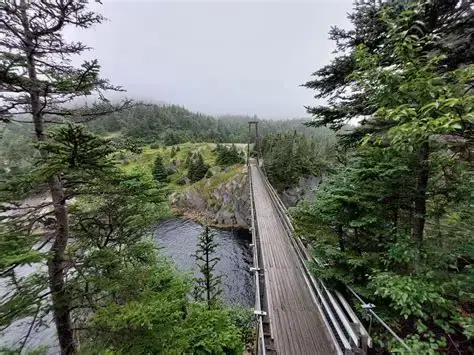
One trail that stands out is the East Coast Trail, a network of paths stretching over 300 kilometers along the Avalon Peninsula. I chose a section near La Manche Provincial Park, where a suspension bridge crosses a deep gorge. The trail led me through moss-covered forests and past waterfalls, ending at a quiet beach where the ocean met the forest.
Gros Morne National Park
For a more challenging adventure, Gros Morne National Park offers rugged terrain and dramatic scenery. Hiking the Gros Morne Mountain trail tested my endurance but rewarded me with panoramic views of fjords and plateaus. The park’s diverse ecosystems, from coastal cliffs to alpine tundra, showcase the island’s natural variety.

When I first set foot in Gros Morne National Park, I was immediately struck by its raw, untouched beauty. This park, located on the west coast of Newfoundland, Canada, offers a unique blend of geological marvels, diverse ecosystems, and breathtaking landscapes. It’s a place where nature’s power and history are on full display, inviting visitors to explore and connect with the environment in a deeply personal way.
Discovering the Geological Marvels
One of the most fascinating aspects of Gros Morne is its geology. The park is home to the Tablelands, a rare geological formation where the Earth’s mantle is exposed above sea level. Walking through this barren, rust-colored landscape feels like stepping onto another planet. The rocks here are rich in minerals that are toxic to most plants, which explains the sparse vegetation and gives the area its distinctive appearance.
This geological feature tells a story of continental drift and plate tectonics that shaped our planet millions of years ago. For me, standing on the Tablelands was a humbling experience, a reminder of the immense forces that have shaped the Earth long before humans arrived.
Hiking Through Diverse Ecosystems
Gros Morne offers a variety of hiking trails that cater to all experience levels. From gentle walks along the coastline to challenging climbs up Gros Morne Mountain, each trail reveals different aspects of the park’s natural beauty.
One of my favorite hikes was the Green Gardens trail. It leads to dramatic sea cliffs, lush meadows, and hidden coves. Along the way, I spotted wildflowers, seabirds, and even a few curious foxes. The trail ends at a stunning beach where the waves crash against towering cliffs, creating a perfect spot to rest and take in the view.

For those seeking a more strenuous adventure, the Gros Morne Mountain trail offers panoramic views from the summit. The climb is steep and rocky, but the reward is worth every step. From the top, you can see fjords, forests, and the vast Atlantic Ocean stretching out to the horizon.
Wildlife Encounters and Birdwatching
The park is a haven for wildlife enthusiasts. I was lucky to see moose grazing near the trails and seals lounging on the rocky shores. Birdwatchers will find plenty to enjoy here, with species such as bald eagles, puffins, and various seabirds making their home in the park.
Early mornings and late afternoons are the best times to spot animals, as they are most active then. Carrying binoculars and a camera with a zoom lens can enhance the experience, allowing you to observe wildlife without disturbing them.
Exploring the Coastal Beauty
Gros Morne’s coastline is rugged and dramatic, shaped by glaciers and ocean waves over thousands of years. The fjords, in particular, are a highlight. Western Brook Pond, a freshwater fjord, offers boat tours that glide through towering cliffs and waterfalls. The stillness of the water and the sheer scale of the cliffs create a serene and awe-inspiring atmosphere.
Kayaking along the coast is another fantastic way to experience the park. Paddling through calm waters, surrounded by cliffs and forests, offers a unique perspective on the landscape and a chance to spot marine life such as seals and seabirds up close.
Practical Tips for Visiting Gros Morne
Planning a trip to Gros Morne requires some preparation to make the most of your visit:
Best time to visit: Late spring to early fall offers the best weather and trail conditions.
Accommodation: Options range from campgrounds and cabins to lodges and B&Bs in nearby towns.
Gear: Bring sturdy hiking boots, layered clothing, insect repellent, and plenty of water.
Guided tours: Consider joining guided hikes or boat tours to learn more about the park’s natural and cultural history.
Respect nature: Stay on marked trails, pack out all trash, and observe wildlife from a distance.
Personal Reflections on Gros Morne
What stayed with me after my visit to Gros Morne was a deep appreciation for the power and beauty of nature. The park’s landscapes are not just pretty scenes; they are living records of Earth’s history and ecosystems that support a wide range of life. Exploring Gros Morne felt like a journey through time and nature, one that challenged me physically and inspired me emotionally.
Discovering Waterfalls and Freshwater Wonders
Newfoundland’s waterfalls are often tucked away in remote spots, making them perfect for those who enjoy off-the-beaten-path exploration. One memorable visit was to Salmonier Nature Park, where I followed a trail to a series of small waterfalls cascading through a forested valley. The sound of rushing water and the cool mist created a peaceful atmosphere.
Another remarkable site is Pissing Mare Falls, the island’s highest waterfall. Located in Western Brook Pond within Gros Morne National Park, the falls drop nearly 350 meters into a fjord. Taking a boat tour across the pond to see the falls up close was a highlight of my trip, offering a unique perspective on Newfoundland’s glacial landscapes.

In addition to waterfalls, Newfoundland’s lakes and rivers provide excellent spots for fishing, kayaking, and wildlife watching. The clear waters of Terra Nova National Park, for example, are home to brook trout and Atlantic salmon. While spending a quiet afternoon by the lake, I spotted loons and herons, deepening my connection to nature.
The Journey to Twillingate
When I first heard about the icebergs near Twillingate, Newfoundland, I pictured distant, cold giants drifting silently in the ocean. But nothing prepared me for the awe I felt when I finally saw them up close. These towering icebergs are not just frozen blocks of ice; they are living sculptures shaped by nature, each with its own story. My journey to Twillingate opened my eyes to the raw beauty and power of these natural wonders.
Getting to Twillingate is part of the adventure. Located on the northeastern coast of Newfoundland, this small town is often called the “Iceberg Capital of the World.” I traveled by car from St. John’s, enjoying the rugged coastline and small fishing villages along the way. The drive itself offers glimpses of the Atlantic Ocean, where icebergs begin their slow drift southward.

Twillingate’s charm lies in its simplicity. The town is small, with friendly locals who are proud of their Icelandic heritage. I stayed at a cozy bed-and-breakfast, where the hosts shared stories about the icebergs and the fishing culture that has shaped the community for generations.
Seeing Icebergs Up Close
The best way to experience the icebergs is by boat. I joined a guided iceberg tour that took us right into the heart of the iceberg zone. As we approached, the sheer size of the icebergs became clear. Some were as tall as buildings, with jagged peaks and smooth, glassy surfaces that sparkled in the sunlight.
The guide explained how these icebergs break off from Greenland glaciers and slowly drift south along the Labrador Current. It takes months for them to reach Newfoundland, and many melt along the way. The icebergs near Twillingate are among the last survivors before they melt into warmer waters.
What struck me most was the variety of shapes and colors. Some icebergs were bright white, while others had deep blue streaks caused by compressed ice. A few even had hints of green or brown from algae growing on their surfaces. Each iceberg looked like a unique work of art, constantly changing as the sun and waves sculpted it.
The Local Connection to Icebergs
Icebergs are more than just a tourist attraction in Twillingate; they are part of the local identity. Fishermen have navigated these waters for centuries, learning to read the icebergs as signs of weather and ocean conditions. The icebergs also influence the local climate, often bringing cooler temperatures and fog.
During my stay, I visited the Twillingate Museum, where I learned about the history of iceberg hunting. In the past, locals would harvest fresh iceberg ice for sale before refrigeration became common. The museum also showcased stunning photographs and paintings of icebergs, highlighting their importance in art and culture.
Tips for Visiting Twillingate Icebergs
If you plan to visit Twillingate to see the icebergs, here are some tips from my experience:
Best time to visit: Late spring to early summer (May to July) offers the highest chance of seeing large icebergs.
Dress warmly: Even in summer, the air near the icebergs can be chilly and damp.
Book a boat tour: Local guides know the best spots and provide safety equipment.
Bring a camera: The icebergs offer incredible photo opportunities, especially with changing light.
Explore the town: Twillingate has charming shops, cafes, and hiking trails.
A Personal Reflection on the Icebergs
Watching the icebergs drift slowly past, I felt a deep connection to nature’s rhythms. These massive ice formations have traveled thousands of kilometers, surviving harsh conditions and changing seas. They reminded me of the importance of patience and resilience.
The experience also made me think about climate change. Icebergs are melting faster than before, and their presence near Twillingate may become less common in the future. Seeing them now felt like witnessing a fleeting moment of natural history.
Wrapping Up Twillingate
My visit to Twillingate and its icebergs was unforgettable. The combination of stunning natural beauty, rich local culture, and the thrill of seeing these giant ice sculptures up close made it a trip worth taking. If you love nature and adventure, Twillingate offers a rare chance to witness one of the world’s most impressive natural phenomena.
Wildlife Encounters Beyond the Usual
Newfoundland’s wildlife is as diverse as its landscapes. While moose and caribou are well-known residents, the island also hosts smaller creatures that add charm to any visit. During a hike near the town of Twillingate, I spotted a red fox darting through the underbrush. Its bright coat stood out against the green forest floor.
Birdwatchers will find plenty to enjoy, with species ranging from bald eagles to Arctic terns. The island’s position along migratory routes means that birdlife changes with the seasons, offering fresh surprises throughout the year.

Marine life is another highlight. Besides puffins and whales, seals are common along the coast. On a kayak trip near Fogo Island, I watched a group of seals sunbathing on rocky outcrops. Their curious eyes followed my movements, creating a moment of quiet connection.
Terra Nova National Park
When I first set foot in Terra Nova National Park, I expected the usual hiking trails and scenic views. What I found instead was a treasure trove of lesser-known wonders that made my visit unforgettable. Terra Nova is more than just a park; it’s a place where nature’s quiet secrets reveal themselves to those willing to explore beyond the beaten path. In this post, I’ll share my personal journey through some of the park’s hidden gems, offering practical tips and insights for anyone eager to discover this remarkable part of Newfoundland.
Discovering the Quiet Trails
Most visitors head straight to the popular trails like the East Pond Trail or the Sandy Pond Trail. While these are beautiful, I found that the lesser-used paths offered a more intimate experience with the park’s wilderness. One trail that stood out was the Middle Tickles Trail. It’s a moderate hike that winds through dense forest and opens up to stunning coastal views. I encountered only a handful of people, which made the peaceful sounds of birds and rustling leaves even more vivid.
If you want to avoid crowds, try starting your hike early in the morning or later in the afternoon. The light during these times adds a magical quality to the landscape, perfect for photography or quiet reflection.

Exploring the Coastal Coves
Terra Nova’s coastline is dotted with small coves and inlets that many visitors overlook. I spent an afternoon exploring Otter Cove, a secluded spot accessible by a short walk from the main road. The rocky shoreline and tidal pools were fascinating to explore, especially for spotting small marine creatures like crabs and starfish.
Bring sturdy shoes for walking over uneven rocks, and a small container if you want to collect shells or smooth stones as souvenirs. Just remember to respect the environment and avoid disturbing wildlife.
Camping Under the Stars
Camping in Terra Nova offers a chance to experience the park’s beauty after the day-trippers have left. I stayed at the Newman Sound Campground, which is well-equipped but still feels close to nature. At night, the sky was filled with stars, and the only sounds were the gentle waves and distant calls of loons.
For a more rustic experience, try backcountry camping in designated areas. Just be sure to follow park regulations and practice Leave No Trace principles to protect the environment.

Practical Tips for Visiting Terra Nova
Plan your visit outside peak summer months if you prefer fewer crowds and cooler weather.
Pack layers since the weather can change quickly, especially near the coast.
Bring insect repellent during warmer months to keep mosquitoes at bay.
Check park maps and trail conditions at the visitor center before heading out.
Respect wildlife and keep a safe distance to avoid disturbing animals.
Why Terra Nova Stands Out
What makes Terra Nova National Park special is its blend of forest, coastline, and freshwater ecosystems all within a compact area. This diversity supports a wide range of plants and animals, making every visit unique. The park’s quieter corners invite exploration and reward visitors with moments of solitude and discovery.
For me, the hidden gems of Terra Nova were not just the places I visited but the feeling of connection I found there. Whether it was the stillness of a remote trail or the gentle splash of a paddle in Sandy Pond, these experiences reminded me why protecting natural spaces matters.
If you’re planning a trip to Newfoundland, don’t miss the chance to explore Terra Nova beyond the usual spots. Take your time, follow your curiosity, and you’ll uncover your own hidden gems.
Discovering L’Anse aux Meadows
When I first heard about L’Anse aux Meadows, I was fascinated by the idea that Vikings had reached North America centuries before Columbus. This small site on the northern tip of Newfoundland holds a story that rewrites history and connects us to a bold chapter of exploration. Visiting L’Anse aux Meadows gave me a deeper appreciation for the courage and resilience of the Norse settlers who ventured into unknown lands.

L’Anse aux Meadows is the only confirmed Norse settlement in North America outside Greenland. Archaeologists uncovered it in the 1960s, revealing remains of turf houses, workshops, and iron-working sites. The discovery proved that Vikings arrived in North America around the year 1000, nearly 500 years before Columbus.
What struck me most was how this site challenges the traditional narrative of exploration. It shows that the Norse were skilled navigators who crossed the Atlantic Ocean and established a foothold in a new world. The settlement was likely a base for exploration, resource gathering, and possibly trade.
Life at the Norse Settlement
Walking through the reconstructed buildings at L’Anse aux Meadows, I imagined the daily lives of the Norse settlers. They lived in simple but sturdy turf houses, built to withstand harsh weather. The site includes a forge where they worked iron, evidence of their advanced skills.
The settlers hunted local wildlife, fished, and gathered plants. Archaeologists found remains of caribou, seals, and fish, showing that these animals adapted quickly to the environment. The Norse also likely interacted with Indigenous peoples, though the nature of these encounters remains a subject of research.
Why L’Anse aux Meadows Matters
This site is more than an archaeological treasure; it reshapes our understanding of history. It proves that transatlantic voyages happened long before the Age of Discovery. The Norse settlement at L’Anse aux Meadows is a testament to human curiosity and the drive to explore.
For me, visiting the site was a reminder that history is always evolving. Discoveries can change what we think we know and open doors to fresh perspectives. L’Anse aux Meadows invites us to rethink the story of North America’s first visitors and appreciate the complexity of early exploration.
What You Can Experience Today
If you plan to visit, the site offers a visitor center with exhibits that explain the Norse way of life and archaeological findings. You can walk the trails around the settlement, see the reconstructed buildings, and imagine the challenges the settlers faced.
The surrounding landscape is rugged and beautiful, with views of the Atlantic Ocean. It’s easy to see why the Norse chose this spot as a base. The experience is both educational and inspiring, especially for anyone interested in history, archaeology, or adventure.
Reflecting on the Norse Legacy
L’Anse aux Meadows reminds me that history is full of unexpected stories. The Norse settlers were pioneers who reached a new continent with limited technology but great determination. Their brief presence in North America left a mark that continues to captivate historians and travelers alike.
This site encourages us to explore beyond the familiar and appreciate the diverse threads that make up our shared past. It’s a place where the spirit of discovery lives on, inviting each visitor to connect with a remarkable chapter of human history.
Experiencing Newfoundland’s Changing Seasons
Each season in Newfoundland brings a different face of nature. Summer offers long days and blooming wildflowers, perfect for hiking and boating. Fall transforms the forests into a canvas of color, ideal for photographers and leaf peepers. Winter covers the island in snow, opening opportunities for snowshoeing and cross-country skiing. Spring brings new life, with migrating birds and budding trees.
During my visit in late September, I experienced the fall colors at their peak. The mix of orange, yellow, and red leaves against the blue sky was breathtaking. It also meant fewer tourists, allowing me to enjoy the trails and viewpoints in peaceful solitude.
Planning a trip around the seasons can enhance the experience. For example, visiting in summer lets you explore the coastlines by boat, while winter offers a chance to see the northern lights on clear nights.
Practical Tips for Exploring Newfoundland’s Natural Wonders
Travel light but prepared: Weather can change quickly, so pack layers, waterproof gear, and sturdy shoes.
Respect the environment: Stick to marked trails, carry out all trash, and avoid disturbing wildlife.
Use local guides: Many communities offer guided tours that provide insight into the area’s natural and cultural history.
Plan for limited services: Some remote areas have few amenities, so bring snacks, water, and a map or GPS device.
Check seasonal access: Some trails and parks close or have limited access in winter or early spring.
Weather: I came here at the end of May, and some areas still have over ten feet of snow. If you decide to camp, make sure your sleeping bag can handle the cold weather.
My hiking partner bought a rated minus 20 degree F sleeping bag, and he froze. I woke up in the morning to see that he had taken all of our clothes out of the packs and placed them on top of his sleeping bag.
Final Thoughts on Newfoundland’s Natural Treasures
Newfoundland’s hidden gems offer more than just beautiful views. They provide a chance to connect deeply with nature, away from crowds and noise. Whether standing on a windswept cliff, hiking through ancient forests, or watching wildlife in quiet bays, visitors to the island are invited to slow down and appreciate the world around them.
Because of the scams going on with Airbnb and Vbro, I will not recommend places listed here on my blog. Here is a link to a couple of cases if you would like to read them.
Places to Stay:
You can show your appreciation with a virtual coffee if you have found value in my blog.

Do not forget to subscribe to get my monthly newsletter.
Some of the links found on my website are affiliate links. I earn from qualifying purchases as an Amazon Associate and an Expedia Associate. Through other links, I may also receive a small commission at no extra cost to you. Using them supports me, helps offset the cost of running this website, and ensures I can continue to provide free content and resources.
I truly appreciate the support!
Comments