


Discover the Best Bird Watching Spots in Cape Perpetua, Oregon

Cape Perpetua, located on the stunning Oregon coast, offers some of the most rewarding bird-watching experiences in the Pacific Northwest. With its diverse habitats, ranging from dense forests to rocky shorelines, this area attracts a wide variety of bird species year-round. Whether you are a seasoned birder or a casual nature lover, Cape Perpetua provides excellent opportunities to observe birds in their natural environment.
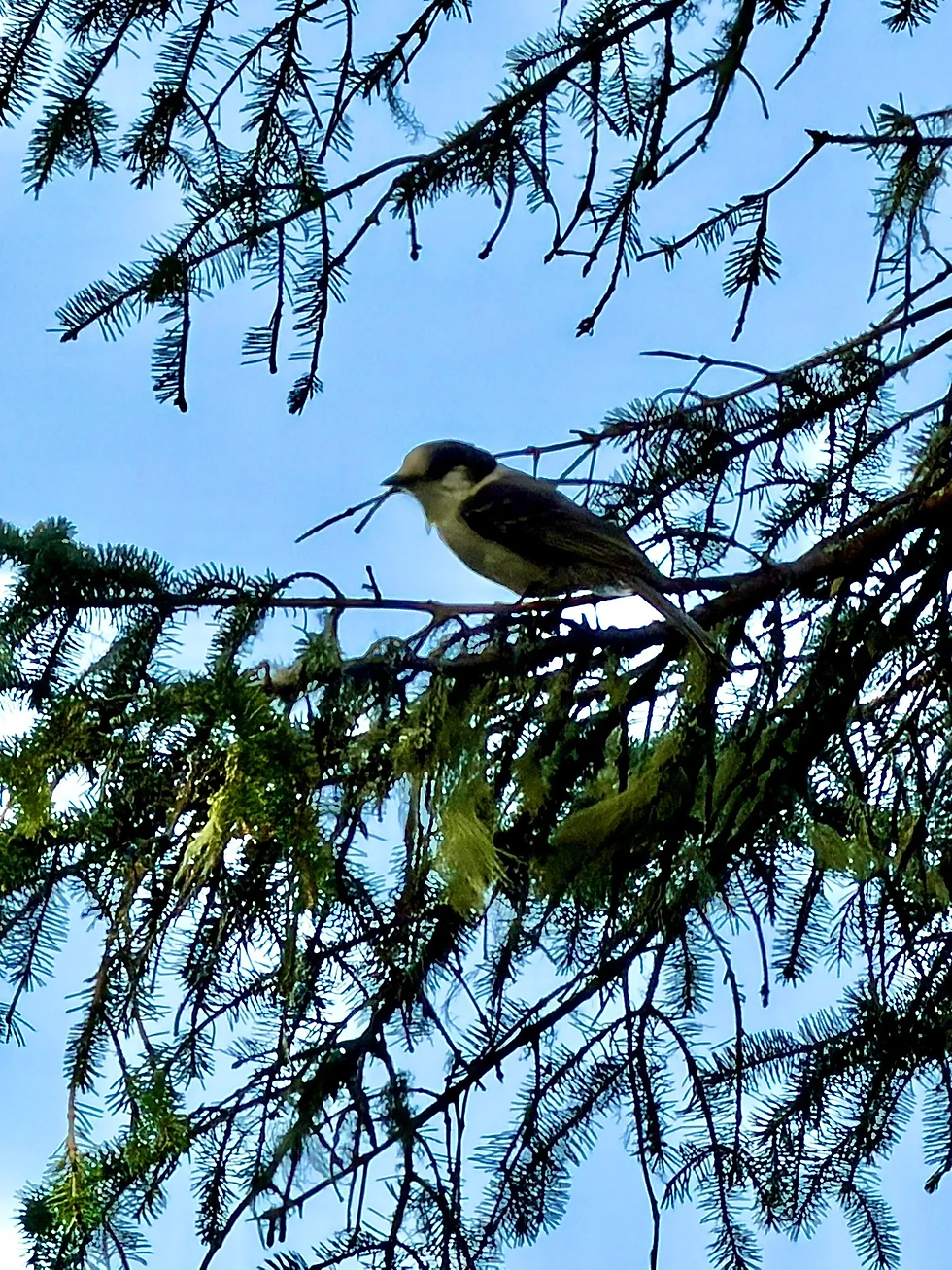
Bird watching here is not just about spotting birds; it’s about immersing yourself in the rich ecosystems that support them. This guide will take you through the best spots for bird watching in Cape Perpetua, what species you can expect to see, and tips to make your visit more enjoyable.
Why Cape Perpetua is a Prime Bird Watching Destination
Cape Perpetua’s unique geography creates a mix of habitats that support a wide range of bird species. The area includes old-growth forests, coastal cliffs, tide pools, and estuaries. This variety means you can see everything from seabirds and shorebirds to forest dwellers and raptors.
The cape’s location along the Pacific Flyway, a major migratory route, also makes it a hotspot during migration seasons. Birds traveling between their breeding and wintering grounds often stop here to rest and feed, increasing your chances of spotting rare or unusual species.
Top Bird Watching Spots in Cape Perpetua
Cape Cove
What Makes Cape Cove Ideal for Birdwatching
Varied Habitats: The mix of coastal cliffs, dense forests, and intertidal zones attracts a wide range of bird species, from seabirds to forest dwellers.
Seasonal Migrations: Many migratory birds pass through or spend part of the year here, making it a hotspot during spring and fall migrations.
Protected Area: As part of a national forest, the area benefits from conservation efforts that maintain healthy ecosystems and minimize human disturbance.
Birdwatchers can expect to see species such as bald eagles, peregrine falcons, tufted puffins, and various shorebirds. The forested areas are home to woodpeckers, warblers, and owls, offering a rich auditory and visual experience.

Hiking the Cape Cove Trail
The Cape Cove Trail is a relatively short but rewarding hike that leads visitors from the forested interior down to the rocky shoreline. The trail is about 1.5 miles round trip and features moderate elevation changes, making it accessible for most hikers with a reasonable level of fitness.
Trail Highlights
Forest Canopy: The trail winds through old-growth Sitka spruce and western hemlock trees, providing shade and shelter for many bird species.
Ocean Views: As you descend, the trail opens up to spectacular views of the Pacific Ocean and the dramatic coastline.
Tide Pools and Rocky Shores: At the trail’s end, explore tide pools that reveal marine creatures and attract shorebirds hunting for food.
The trail is well-marked and maintained, with interpretive signs that offer information about the local flora and fauna. Birdwatchers should bring binoculars and a field guide to help identify the many species that inhabit the area.
Bird Species to Look For
Cape Perpetua and Cape Cove Trail host a variety of birds that appeal to both novice and experienced birdwatchers. Here are some notable species:
Bald Eagle: Often seen soaring above the cliffs or perched in tall trees near the coast.
Peregrine Falcon: Known for their speed, these falcons nest on cliff faces and hunt smaller birds.
Tufted Puffin: These colorful seabirds nest in burrows on offshore rocks and can be spotted during the breeding season.
Black Oystercatcher: A striking shorebird with a bright orange beak, commonly found along rocky shores.
Varied Thrush: A forest bird with a distinctive orange and black pattern, often heard singing in the woods.
Marbled Murrelet: A secretive seabird that nests in old-growth forests, making Cape Perpetua’s mature trees critical habitat.
Birdwatchers should also keep an eye out for seasonal visitors such as snow geese, various duck species, and gulls.
Enhancing Your Birdwatching Experience
To make the most of your visit, consider joining a guided birdwatching tour or attending ranger-led programs at the Cape Perpetua Visitor Center. These programs often provide valuable insights into bird behavior, identification tips, and information about conservation efforts.
Bringing a field guide specific to Pacific Northwest birds can help you identify species and learn about their habits. Apps like Merlin Bird ID also offer interactive tools for bird identification and recording sightings.
Final Thoughts on The Cape Cove Trail
Cape Perpetua Scenic Area, Cape Cove Trail, offers a remarkable combination of coastal beauty and rich birdlife. Whether you are an avid birdwatcher or a nature enthusiast seeking a peaceful hike, this area offers a memorable experience. The chance to observe diverse bird species against the backdrop of the Pacific Ocean and ancient forests makes it a destination worth exploring.
Devil’s Churn
Devil’s Churn is a narrow, rocky channel carved by the ocean waves, surrounded by dense coastal forests and rugged cliffs. This combination creates diverse habitats that attract many bird species. The area’s location along the Pacific Flyway means migratory birds often pass through, adding to the variety you might see.
Birdwatchers appreciate Devil’s Churn because:
It offers easy access to both marine and forest birds.
The sound of crashing waves adds to the immersive experience.
The changing tides influence bird activity, providing different viewing opportunities throughout the day.
Best Times to Visit for Birdwatching
Timing your visit can greatly improve your chances of seeing a wide range of birds. Early mornings and late afternoons are generally the best times because birds are most active during these cooler parts of the day.

Seasonally, spring and fall bring migratory species passing through the area. Summer months often feature resident birds nesting and feeding young, while winter can reveal hardy species adapted to colder weather.
Common Bird Species at Devil’s Churn
At Devil’s Churn, you can expect to see a mix of seabirds, shorebirds, and forest birds. Some common species include:
Pigeon Guillemot: These black and white seabirds with bright red feet often dive near the rocky shores.
Black Oystercatcher: Easily identified by their bright orange beaks, they forage along the rocky coastline.
Bald Eagle: Occasionally spotted soaring above the cliffs or perched in tall trees.
Varied Thrush: A forest bird with striking orange and black plumage, often heard before seen.
Exploring Beyond Birdwatching
While birdwatching is the main attraction, Devil’s Churn offers other natural wonders. The dramatic waves crashing into the narrow inlet create spectacular sights and sounds. Nearby trails lead to viewpoints overlooking the ocean and tide pools filled with marine life.
Visitors often combine birdwatching with photography, hiking, or simply enjoying the peaceful coastal environment. The area’s natural beauty makes it a great spot for a day trip or a quiet retreat.
Final Thoughts on Birdwatching at Devil’s Churn
Devil’s Churn offers a rewarding birdwatching experience with its blend of coastal and forest habitats. The variety of birds, combined with stunning natural scenery, makes it a must-visit for anyone interested in wildlife. By choosing the right time, bringing proper gear, and following responsible practices, you can enjoy a memorable day discovering the feathered wonders of this unique location.
St. Perpetua Trail
The St Perpetua Trail runs along the central coast, offering a mix of coastal scrub, forested areas, and open skies. This variety of habitats supports a wide range of bird species, from seabirds to songbirds. The trail’s accessibility and scenic beauty add to its appeal, allowing visitors to enjoy both the birds and the landscape.

Birdwatchers often find the trail rewarding because:
It hosts migratory birds during certain seasons.
It provides opportunities to spot rare and local species.
The trail’s elevation changes create different microhabitats.
It offers quiet spots ideal for observing without disturbance.
What Birds You Can Expect to See
The diversity of birds on the St Perpetua Trail is impressive. Depending on the season, you might encounter:
Peregrine Falcons soaring high above the cliffs.
Western Bluebirds flit through the forest edges.
Brown Pelicans diving into the ocean for fish.
California Towhees scratching in the underbrush.
Red-tailed Hawks circling over open fields.
During spring and fall migrations, the trail becomes a hotspot for warblers, thrushes, and other songbirds passing through. Early mornings and late afternoons are the best times to catch these active birds.
Best Times and Seasons for Birdwatching
Timing your visit can greatly enhance your birdwatching experience. The trail is accessible year-round, but certain periods stand out:
Spring (March to May): Migratory birds arrive, and many species are in breeding plumage, making identification easier.
Fall (September to November): Another migration period with different species passing through.
Winter: Resident birds, such as hawks and some waterfowl, are more visible.
Summer: Songbirds are active, and fledglings can be spotted.
Weather conditions also matter. Clear, calm days improve visibility and bird activity. Avoid windy or rainy days, as birds tend to shelter and become less active.
Exploring Beyond Birdwatching
While the birds are the main attraction, the St Perpetua Trail offers more to enjoy:
Scenic Ocean Views: Lookouts along the trail provide breathtaking panoramas.
Wildflower Blooms: Seasonal flowers add color and attract pollinators.
Wildlife Spotting: Keep an eye out for deer, rabbits, and other animals.
Photography Opportunities: The combination of birds and landscapes makes for great photos.
Taking breaks at benches or picnic spots lets you take in the surroundings and plan your next birdwatching move.
Whispering Spruce Trail
The Whispering Spruce Trail stands out because of its diverse ecosystem and relatively quiet atmosphere. Located within the Cape Perpetua Scenic Area, the trail winds through old-growth spruce and Douglas fir forests, which create an ideal environment for many bird species. The combination of dense forest and proximity to the Pacific Ocean attracts both resident and migratory birds.

The trail is well-maintained and moderately easy to navigate, making it accessible for birdwatchers of all skill levels. Its length, about 1.5 miles round trip, allows for a focused birdwatching experience without requiring a full day commitment.
Bird Species You Can Spot on the Trail
Whispering Spruce Trail offers opportunities to see a variety of birds, from small songbirds to larger raptors. Some common species include:
Varied Thrush: Known for its striking orange-and-black plumage, this bird is often heard singing in the early morning.
Pacific Wren: A small, energetic bird with a loud, complex song that echoes through the forest.
Steller’s Jay: Easily recognizable by its vibrant blue feathers and bold crest, often seen near the trailhead.
Red-breasted Nuthatch: This tiny bird moves quickly along tree trunks and branches, searching for insects.
Bald Eagle: Occasionally spotted soaring above the coastline or perched in tall trees near the ocean.
During migration seasons, the trail may also host warblers, flycatchers, and other transient species, adding to the excitement of each visit.
Best Times to Visit for Birdwatching
Bird activity varies throughout the year, so timing your visit can enhance your chances of sightings. Early spring and late fall are excellent times to observe migratory birds passing through the area. Summer months bring out resident birds actively feeding and nesting.
Early mornings, just after sunrise, are the most productive times for birdwatching. Birds are more active and vocal during these hours, making them easier to spot and identify.
Exploring Beyond Birdwatching
While birdwatching is the main attraction, the Whispering Spruce Trail also offers other natural highlights. The trail features viewpoints overlooking the ocean, where you might spot seals or whales offshore. The forest itself is rich with ferns, mosses, and wildflowers, providing a full sensory experience.
Nearby, the Cape Perpetua Visitor Center offers educational exhibits about the local environment and wildlife. It’s a great place to learn more about the region’s natural history before or after your hike.
Final Thoughts on Whispering Spruce Trail Birdwatching
Whispering Spruce Trail offers a rewarding birdwatching experience in one of Oregon’s most beautiful coastal forests. Its combination of diverse bird species, accessible trail, and stunning natural surroundings makes it a must-visit for anyone interested in nature.
Seasonal Bird Watching Highlights
Bird species at Cape Perpetua change with the seasons, so timing your visit can enhance your experience.
Spring: Migratory songbirds arrive, including warblers and flycatchers. Whale watching season overlaps, so that you might see both birds and marine mammals.
Summer: Breeding season for many forest birds. Look for juvenile birds learning to fly. Seabirds like puffins are active offshore.
Fall: Migration brings large flocks of shorebirds and raptors passing through. This is a great time for spotting rare species.
Winter: Resident birds such as bald eagles and wintering waterfowl are common. The forest remains lively with woodpeckers and chickadees.
Planning your trip around these seasonal patterns can help you see the most birds.
Tips for a Successful Bird Watching Trip in Cape Perpetua
Bring binoculars and a field guide: These tools make it easier to identify birds and enjoy the details.
Dress in layers: Coastal weather can change quickly, so be prepared for wind, rain, or sun.
Start early: Birds are most active in the morning hours.
Stay on trails: Protect the habitat and avoid disturbing nesting birds.
Be patient and quiet: Moving slowly and minimizing noise increases your chances of close encounters.
Use a birding app: Apps can help with identification and logging your sightings.
Following these tips will make your bird-watching experience more rewarding.
Conservation and Respect for Wildlife
Cape Perpetua is part of a protected area managed by the U.S. Forest Service. Respecting the environment is crucial to preserving the habitat for birds and other wildlife. Avoid feeding birds or disturbing nests. Stick to marked trails and pack out all trash.

By practicing responsible bird watching, you help ensure that Cape Perpetua remains a vibrant home for birds and a beautiful destination for visitors.
What Makes Bird Watching Here Special
One of the most rewarding aspects of bird watching at Cape Perpetua is the chance to observe birds in their natural behaviors. For example, during spring and summer, you might witness puffins diving for fish or eagles soaring overhead. The quiet observation points along the trails allow for peaceful watching without disturbing the wildlife.
The area also serves as a stopover for migratory birds, so the species you see can change with the seasons. This dynamic environment keeps bird watchers coming back year after year.
Memorable Bird Species at Cape Perpetua
Several bird species stand out as highlights for visitors:
Tufted Puffins: Recognizable by their colorful beaks and striking appearance, these seabirds nest on the cliffs.
Bald Eagles: Often seen soaring or perched high in trees, they add a majestic presence to the landscape.
Marbled Murrelets: These elusive birds nest in old-growth forests nearby, making sightings special. Extremely hard to find one.
Western Meadowlarks: Their melodic songs fill the meadows and open areas.
Black Oystercatchers: Found along rocky shores, they have bright orange bills that are easy to spot.
Each species adds to the rich tapestry of bird life, making Cape Perpetua a rewarding destination for bird watchers of all skill levels.
The Broader Impact of Bird Watching at Cape Perpetua
Beyond personal enjoyment, bird watching here supports conservation efforts. Visitors who learn about the local ecosystem often become advocates for protecting these habitats. The park’s management balances public access with habitat preservation, ensuring that future generations can enjoy the same experiences.
Educational programs and guided walks offered by the park provide deeper insights into bird behavior and environmental challenges. These opportunities enhance appreciation and encourage responsible wildlife viewing.
Bird watching at Cape Perpetua offers a unique chance to connect with nature along Oregon’s rugged coastline. This area is a hotspot for diverse bird species, making it a rewarding destination for both novice and experienced birders. Reflecting on the experience reveals valuable lessons about patience, observation, and the natural world’s delicate balance.

The Rich Diversity of Birdlife
Cape Perpetua’s varied habitats—from dense forests to rocky shorelines—support a wide range of bird species. During visits, it’s common to spot seabirds such as puffins and cormorants, as well as forest dwellers like the varied thrush and the northern spotted owl. This diversity makes every outing different and exciting.
One memorable moment involved watching a group of tufted puffins nesting on the cliffs. Their bright orange beaks and comical waddling stood out against the gray rocks. Observing their behavior up close highlighted how these birds adapt to the harsh coastal environment.
Patience and Quiet Observation
One key insight from bird watching here is the value of patience. Birds can be elusive, and sudden movements or loud noises often scare them away. Sitting quietly and blending into the environment increases the chances of close encounters.
Using binoculars and a field guide enhances the experience. Taking notes on bird calls and plumage helps with identification and deepens understanding. Over time, this practice builds a stronger connection to the environment.
Respecting Wildlife and Habitat
Cape Perpetua’s ecosystem is fragile. Bird watchers must respect boundaries, avoid disturbing nests, and stay on designated trails. This care protects breeding birds and preserves the habitat for future visitors.
For example, the northern spotted owl is a threatened species that requires quiet, undisturbed forest areas. Observing from a distance ensures these birds remain safe and stress-free.
The Lasting Impact of the Experience
Bird watching at Cape Perpetua goes beyond spotting species. It fosters mindfulness and a deeper appreciation for nature’s rhythms. The quiet moments spent observing birds encourage reflection and a sense of peace.
This experience also highlights the importance of conservation. Seeing birds in their natural habitat underscores the need to protect these environments from human impact and climate change.
For those seeking a meaningful outdoor activity, bird watching at Cape Perpetua offers both adventure and tranquility. It invites visitors to slow down, observe carefully, and connect with the natural world in a lasting way.
Places to Stay:
You can show your appreciation with a virtual coffee if you have found value in my blog.

Do not forget to subscribe to get my monthly newsletter.
Some of the links found on my website are affiliate links. I earn from qualifying purchases as an Amazon Associate and an Expedia Associate. Through other links, I may also receive a small commission at no extra cost to you. Using them is a way to support me, help offset the cost of running this website, and ensure I can continue providing free content and resources.
I truly appreciate the support!


Comments