


Cost of Living in Asia for Expats: Country-by-Country Budget Guide

If you enjoy this blog post, consider subscribing to get my newsletter.
Comments are always welcome and appreciated.
Asia can be cheap, wildly expensive, or somewhere in the middle, sometimes inside the same country. A beach town in Vietnam might cost less than a studio in Seoul. A “budget” month in Singapore can look like a luxury month in Chiang Mai. The trick is knowing where the real costs hide.
This guide compares popular Asian countries for expats across the daily stuff that actually shapes your budget: rent, utilities, groceries, eating out, transportation, healthcare, and leisure. Prices are broad monthly estimates in U.S. dollars and can shift with exchange rates, visa type, lifestyle, and neighborhood.
Use this as a planning tool, not financial advice. Before moving, check current rental listings, insurance quotes, visa rules, and local taxes for your exact situation.

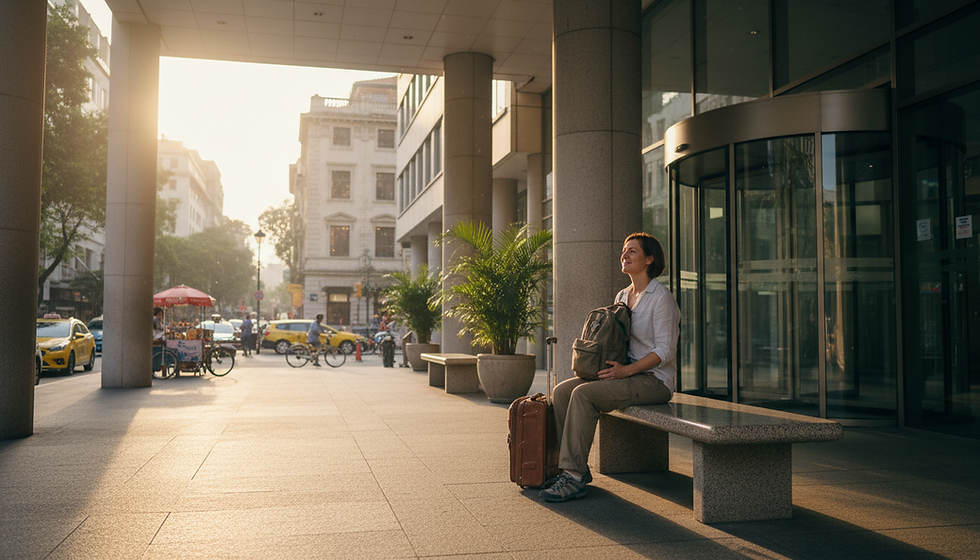
Cost of Living in Asia for Expats and a Quick Monthly Budget Comparison.
These ranges assume a single expat living comfortably but not lavishly. They usually include rent for a modest apartment, utilities, food, local transportation, basic healthcare coverage or routine care, and some entertainment.
Country | Budget lifestyle | Comfortable lifestyle | Main cost driver |
Vietnam | $800 to $1,300 | $1,400 to $2,200 | Imported goods and big-city rent |
Thailand | $900 to $1,500 | $1,600 to $2,600 | Bangkok and island housing |
Malaysia | $1,000 to $1,700 | $1,800 to $2,800 | Car costs and premium condos |
Indonesia | $900 to $1,600 | $1,700 to $3,000 | Bali rent and private healthcare |
Philippines | $1,000 to $1,700 | $1,800 to $2,900 | Manila rent and island transport |
Cambodia | $700 to $1,200 | $1,400 to $2,000 | Phnom Penh and Siem Reap rent |
Taiwan | $1,300 to $2,000 | $2,100 to $3,200 | Taipei rent |
South Korea | $1,600 to $2,600 | $2,700 to $4,000 | Seoul housing |
Japan | $1,700 to $2,800 | $2,900 to $4,500 | Tokyo rent and deposits |
Singapore | $3,000 to $5,000 | $5,500 and up | Housing, by far |
A lower budget doesn’t always mean lower quality of life. In many places, local food, public transport, and routine healthcare are affordable. The expensive part is often trying to recreate a Western lifestyle with imported groceries, imported alcohol, daily ride-hailing, and a centrally located apartment.

The biggest cost factors to compare before choosing a country
Cost of Living in Asia for Expats: Before picking a city, decide what kind of life you want. A cheap country can feel expensive if your lifestyle clashes with local pricing.
Housing is the budget anchor. Rent often decides whether a country feels affordable. Utilities can also jump fast if you run air conditioning every night in humid climates.
Food costs split into two worlds. Local markets and street food can be cheap. Imported cheese, wine, cereal, protein powders, and specialty items can cost much more than expected.
Transportation depends on the city. Tokyo, Seoul, Taipei, Singapore, Bangkok, and Kuala Lumpur have strong public transit. Bali, parts of the Philippines, and many smaller cities can push you toward scooters, taxis, or car rentals.
Healthcare is not one-size-fits-all. Some countries have excellent private hospitals at lower prices than the U.S. Others require expats to carry international insurance or pay more for private care. If you have ongoing prescriptions or chronic conditions, get quotes before moving.
Visa rules affect the real cost. Border runs, agent fees, minimum income rules, health checks, and document renewals can add hundreds or thousands per year.

Country-by-country cost breakdown
Vietnam
Vietnam is one of Asia's best-value countries for expats who like city life, café culture, and affordable food. Ho Chi Minh City and Hanoi cost more than Da Nang or smaller towns, but even the big cities can be reasonable compared with regional capitals.
Housing
A studio or one-bedroom apartment in a local neighborhood can be very affordable. Serviced apartments in expat-heavy districts cost more but often include cleaning, internet, and security. Utilities are usually manageable, though air conditioning can push the bill up during hot months.
In Ho Chi Minh City, District 1, District 2, and Thao Dien tend to cost more. In Hanoi, Tay Ho is popular with expats and priced accordingly. Da Nang can offer better value near the beach, though prices rise during peak seasons.
Food
Vietnam is great for food budgets. Local meals like pho, bun cha, banh mi, and rice plates are cheap and easy to find. Market groceries are affordable, especially produce, eggs, rice, noodles, and local seafood.
Imported groceries can surprise you. If you often buy imported dairy, wine, cereal, or specialty health foods, your food bill will look very different from someone eating mostly local meals.
Transportation
Scooters are common and inexpensive, but traffic can be heavy. Many expats use ride-hailing apps for short trips because they’re easy and affordable. Public buses exist but are less convenient for newcomers. Car ownership usually isn’t practical in dense cities unless you really need it.
Healthcare
Major cities have international clinics and private hospitals with English-speaking staff. Routine appointments can be affordable compared with U.S. prices, but complex care may still require solid insurance. Many expats carry international health insurance or a regional plan.
Entertainment and leisure
Cafés, gyms, massages, nightlife, beach trips, and weekend getaways can be budget-friendly. Vietnam is especially good for low-cost social living. The fastest way to overspend is eating at high-end Western restaurants several nights a week.
Best fit
Vietnam works well for remote workers, teachers, freelancers, and retirees who want low daily costs and don’t mind busy streets.
Thailand
Thailand has been an expat favorite for a long time, and the reason is simple: it offers comfort at many price points. Bangkok is modern and convenient. Chiang Mai is calmer and cheaper. Phuket, Koh Samui, and other islands can be beautiful but more expensive.
Housing
Bangkok has everything from compact studios near train lines to luxury condos with pools and gyms. Rent drops the farther you live from central BTS or MRT stations. Chiang Mai offers better value, especially for long leases.
Island housing varies a lot. A simple local apartment can still be affordable, but villas, sea views, and short-term rentals get expensive fast. Utilities are usually fair, but air conditioning can be a major monthly cost.
Food
Local Thai food is one of the country’s biggest budget wins. Street food, food courts, and simple restaurants make it easy to eat well without spending much. Groceries from local markets are affordable.
Western restaurants, craft beer, imported wine, and specialty groceries cost much more. If you cook mostly Western meals, Thailand may not feel as cheap as expected.
Transportation
Bangkok’s BTS and MRT are clean, useful, and reasonably priced. Taxis and ride-hailing apps fill in the gaps. In Chiang Mai and island areas, many expats rent or buy scooters. Car ownership adds insurance, fuel, parking, and maintenance, so it’s rarely needed in Bangkok.
Healthcare
Thailand has a strong reputation for private healthcare, especially in Bangkok. Routine private care can be accessible, and many hospitals cater to international patients. Insurance still matters, especially for emergencies, surgery, or long hospital stays.
Entertainment and leisure
Thailand can be as cheap or as expensive as you make it. Temples, markets, beaches, hikes, and casual restaurants are affordable. Beach clubs, international schools, luxury gyms, and nightlife can quickly raise costs.
Best fit
Thailand suits expats who want comfort, convenience, and a large international community without paying Singapore or Japan prices.
Malaysia
Malaysia is one of Asia’s most balanced expat destinations. It offers good infrastructure, English is widely spoken in many areas, and Kuala Lumpur is still relatively affordable for a major capital.
Housing
Kuala Lumpur has excellent value for apartments, especially compared with Singapore, Hong Kong, Tokyo, and Seoul. Many condos include pools, gyms, security, and parking. Popular expat areas like Mont Kiara, Bangsar, and KLCC cost more, while other neighborhoods offer better deals.
Utilities are moderate, though air conditioning adds up. Internet is usually reliable and reasonably priced.
Food
Malaysia is a dream for affordable eating. Hawker centers and local restaurants serve Malay, Chinese, Indian, and regional food at low prices. Groceries are manageable if you buy local produce and staples.
Imported goods, alcohol, and certain specialty foods can be pricey. Dining in malls and international restaurants also raises the budget.
Transportation
Kuala Lumpur has trains, buses, and ride-hailing, but the city is spread out. Living near an MRT or LRT station helps a lot. Some expats choose to own a car, especially families or people living outside the center. Car ownership adds tolls, parking, fuel, insurance, and maintenance.
Healthcare
Malaysia has respected private hospitals and often attracts medical travelers. Routine private care is usually cheaper than in the U.S., but insurance is still a smart move. Penang and Kuala Lumpur have many private medical options.
Entertainment and leisure
Malls, cinemas, gyms, hiking, food outings, and short domestic trips are accessible. Alcohol-heavy nightlife costs more due to taxes. Weekend trips to Penang, Langkawi, or nearby countries can fit a moderate budget if booked early.
Best fit
Malaysia is a strong choice for expats who want modern comforts, good food, and an easier transition to English.
Indonesia
Indonesia’s cost of living depends heavily on where you land. Bali attracts digital nomads and has seen rental prices rise in popular areas. Jakarta is a huge business city with traffic and higher-end spending options. Smaller cities can be much cheaper.
Housing
In Bali, Canggu, Seminyak, Ubud, and popular coastal areas have become more expensive, especially for villas and short-term rentals. Better deals usually come with longer leases or living a little farther from the main expat zones.
Jakarta apartments range from basic units to luxury towers. Utilities are reasonable, but air conditioning and pool villas can increase costs. Internet quality depends on the neighborhood and property.
Food
Local Indonesian food is very affordable. Warungs, markets, rice dishes, noodles, grilled fish, and fresh fruit keep costs low. Bali also has many cafés and Western restaurants aimed at expats, and those prices are much higher.
Groceries can be cheap if you buy local items. Imported products, vegan specialty foods, wine, and health foods can be expensive.
Transportation
Scooters are the default in Bali, but road conditions and traffic can be stressful. Ride-hailing apps are common in many areas, though local restrictions can apply in some tourist zones. Jakarta has improving transit, but traffic remains a serious time cost.
Owning a car in Bali or Jakarta can be expensive and inconvenient unless you have a family or live far from services.
Healthcare
Bali and Jakarta have private clinics and hospitals that expats use. For serious issues, some residents travel to Singapore, Malaysia, or their home country. Insurance is strongly recommended, especially if you ride scooters or do adventure sports.
Entertainment and leisure
Surfing, yoga, cafés, coworking spaces, gyms, beach clubs, diving, and weekend travel can turn Indonesia into either a budget paradise or a spending trap. Local activities are cheap. Expat lifestyle activities often aren’t.
Best fit
Indonesia is best for expats who value beaches, outdoor living, and community, and who can avoid overpaying in the most popular neighborhoods.

Philippines
The Philippines offers friendly communities, widespread English use, and many island destinations. Costs vary between Metro Manila, Cebu, Davao, Dumaguete, and smaller towns.
Housing
Metro Manila can be pricey, especially in Makati, Bonifacio Global City, and Ortigas. Condos in central areas often cost more for security, amenities, and location. Cebu and Davao may offer better value, while smaller cities and towns can be much cheaper.
Utilities can be higher than expected, especially electricity. Air conditioning, older appliances, and building fees can raise monthly costs.
Food
Local food is affordable, and markets can keep grocery costs low. Major cities have Western-style groceries, but imported items cost more. Dining out ranges from cheap local eateries to expensive mall restaurants and hotel brunches.
If you like cooking at home, choose housing near a wet market or supermarket. It makes a real difference.
Transportation
Jeepneys, buses, tricycles, taxis, and ride-hailing all play a role. Manila traffic can be exhausting, so living close to work, school, or daily routines matters more than saving a little on rent. Car ownership brings fuel, parking, insurance, and a lot of traffic stress.
Healthcare
Major cities have private hospitals and clinics with English-speaking staff. Rural areas may have fewer options. Many expats use private insurance, especially if they want access to better hospitals without delay.
Entertainment and leisure
Malls, beaches, diving, island trips, cinemas, cafés, and nightlife are common expenses. Domestic flights and ferries can add up if you travel often. Local outings stay cheap, but resort travel can turn expensive during holidays.
Best fit
The Philippines is a good match for expats who want English-speaking ease, island access, and social community.
Cambodia
Cambodia has emerged as one of Southeast Asia’s most attractive destinations for expats. With a cost of living roughly 50% lower than the United States, welcoming locals, accessible visa options, and rapidly improving infrastructure, Cambodia offers expats an exceptional quality of life at an affordable price point.
Housing
Rent depends heavily on city and neighborhood. Location within a city matters dramatically. Moving just a few streets from prime expat areas can reduce rent by $100-$300/month. Furnished rentals typically include AC, a refrigerator, and basic furniture.
Electricity is almost always charged separately, which can add $50-$100/month if running air conditioning extensively.
Food
India is one of the most affordable countries for eating well if you enjoy local cuisine. Food costs depend heavily on lifestyle choices—eating like a local versus maintaining Western dietary preferences.
Most expats save significantly by shopping at local morning markets (Toul Tompoung, Central Market) before the midday heat. Local markets offer the freshest produce and fish at dramatically lower prices than Western-style supermarkets.
Transportation
Ride-hailing, tuk-tuks, motorbikes, trains, and buses are common. Phnom Penh has a strong transportation system. Grab and PassApp with coupons have dramatically reduced transportation costs, particularly for daily commutes. Many expats use coupons strategically to keep monthly transport costs low.
Healthcare
Healthcare costs are significantly lower than in Western countries, but quality varies. Private international clinics in Phnom Penh and Siem Reap (Royal Phnom Penh Hospital, Sovann Polyclinic) cater to expats and provide good-quality care. Many retirees travel to Thailand or Singapore for major surgeries or specialized treatments due to superior hospital infrastructure.
Entertainment and leisure
Movies, cafés, local travel, gyms, festivals, cooking classes, and weekend trips can stay affordable. Upscale nightlife, luxury hotels, and frequent flights can quickly raise costs.
Best fit
Cambodia suits expats who are comfortable with being laid-back, love food and culture, and want a wide range of city and lifestyle options.
Taiwan
Taiwan costs more than Southeast Asia but often feels like excellent value for the quality of life. Taipei is the most expensive city. Taichung, Tainan, and Kaohsiung are usually easier on the budget.
Housing
Taipei rent is the biggest challenge. Apartments can be smaller and older than newcomers expect. Living near MRT stations costs more, but it can save time and transportation money. Outside Taipei, rent drops noticeably.
Utilities are moderate, though summer air conditioning can increase bills. Internet and mobile plans are generally reliable.
Food
Taiwan is great for affordable eating. Night markets, lunch boxes, noodle shops, dumpling spots, and local breakfast places keep food costs low. Groceries can be reasonable, especially at traditional markets.
Western restaurants and imported groceries cost more. Coffee culture is strong, and daily café spending can quietly grow.
Transportation
Taipei’s MRT is one of Asia's easiest systems for newcomers. Buses, trains, high-speed rail, scooters, and bikes make getting around simple. Many expats don’t need a car. Scooters are common outside Taipei, but traffic rules and safety take adjustment.
Healthcare
Taiwan is known for accessible healthcare, though eligibility for the national system depends on residence status. Private insurance may still be needed depending on visa type and personal needs. Routine care is usually convenient in major cities.
Entertainment and leisure
Hiking, hot springs, night markets, cycling, cafés, beaches, and weekend train trips are affordable. Taipei nightlife and imported alcohol can push spending higher.
Best fit
Taiwan is a good fit for expats who want safety, order, great food, and strong transit at a mid-range Asian cost.
South Korea
South Korea is pricier than Southeast Asia but offers excellent infrastructure, fast internet, reliable transit, and a high standard of urban living. Seoul is the main cost center.
Housing
Seoul rent can be high, and deposits may be much larger than expats expect. Smaller studios, called officetels or one-room apartments, are common. Neighborhoods like Gangnam, Itaewon, Hannam, and Hongdae cost more, while outer districts can offer better value.
Utilities are seasonal. Heating can rise in winter, and air conditioning adds to summer bills.
Food
Casual Korean restaurants can be reasonably priced. Convenience stores, markets, kimbap shops, soups, stews, and cafeteria-style meals help manage costs. Groceries can be more expensive than expected, especially fruit, imported goods, and certain proteins.
Western dining, cocktails, brunch, and specialty coffee increase the monthly food budget.
Transportation
Seoul’s subway and bus system is excellent and affordable for the quality. Taxis are useful but not always needed. Owning a car in Seoul usually isn’t worth it unless you live outside the city or have family needs. Parking is expensive, and traffic can be draining.
Healthcare
South Korea has strong medical infrastructure. Access and cost depend on visa status, insurance enrollment, and whether you use public or private services. Many expats combine required local coverage with extra insurance.
Entertainment and leisure
Cafés, karaoke, gyms, nightlife, skincare, shopping, skiing, hiking, and weekend trips can be tempting. Social life often revolves around eating and drinking out, so set a clear weekly limit if you’re saving money.
Best fit
South Korea works well for expats who want city convenience, culture, safety, and transit, and who can handle higher housing costs.
Japan
Japan can be expensive, but it’s not always as costly as people assume. Tokyo is the priciest for most expats. Osaka, Fukuoka, Sapporo, Nagoya, and smaller cities can offer better value.
Housing
Tokyo rent takes a big bite, especially near major train lines and central districts. Move-in costs can also be high due to deposits, key money, agency fees, and guarantor fees. Apartments are often compact.
Utilities are seasonal. Electricity rises with summer air conditioning, while gas or electricity can rise in winter depending on heating.
Food
Japan can be surprisingly budget-friendly for prepared meals. Convenience stores, ramen shops, curry shops, supermarket discounts, sushi chains, and set meals are good value. Groceries are moderate if you cook and buy seasonal items.
Imported groceries, fruit, international restaurants, and premium dining can be expensive.
Transportation
Public transport is excellent and reliable. The trade-off is that daily train costs can add up if your employer doesn’t cover commuting. Car ownership is costly due to parking, inspections, insurance, fuel, and tolls. In most major cities, a car isn’t needed.
Healthcare
Japan has high-quality healthcare, and residents generally must join the public health insurance system. Out-of-pocket costs are usually more predictable than in the U.S., but expats should understand enrollment rules and coverage limits.
Entertainment and leisure
Museums, parks, cafés, arcades, karaoke, live music, onsens, skiing, and domestic travel all add variety. Long-distance trains and hotels can be expensive, so plan travel early.
Best fit
Japan is ideal for expats who value safety, transit, food, and order, and who can budget for housing and move-in costs.
Singapore
Singapore is the most expensive country on this list for most expats, mainly because of housing. Daily life can be reasonable if you eat local food and use public transport, but rent changes everything.
Housing
Rent is by far the biggest expense. Private condos, central locations, and family-sized units are costly. Shared apartments or living farther from the center can lower costs, but Singapore is still more expensive than nearby countries.
Utilities are manageable, though air conditioning can raise bills. Many condos include pools and gyms, which can help offset entertainment or fitness costs.
Food
Singapore has a split food economy. Hawker centers are excellent value and offer some of the best affordable meals in Asia. Supermarkets, imported groceries, alcohol, and restaurant dining are much more expensive.
Cooking at home isn’t always cheaper if you rely on imported ingredients. Many residents mix hawker meals with simple home cooking.
Transportation
Public transport is clean, safe, and efficient. Most expats don’t need a car. Car ownership is extremely expensive due to taxes, fees, parking, and the certificate system required to own a vehicle.
Healthcare
Singapore has excellent healthcare, but private care can be costly. Expats usually need strong insurance, often provided or supported by employers. Check deductibles, outpatient coverage, maternity coverage, and exclusions before accepting a job offer.
Entertainment and leisure
Parks, waterfront walks, museums, hawker meals, and public events can be affordable. Drinking, fine dining, private clubs, international schools, and regional weekend travel can quickly drive up monthly spending.
Best fit
Singapore suits expats with strong job offers, employer benefits, or a budget that can absorb high rent.

Practical budgeting tips for expats in Asia
A good expat budget has two parts: the normal monthly budget and the “moving here costs more than I thought” fund.
Build your first-month buffer.
The first month is almost always expensive. You may need hotel nights, deposits, furniture, kitchen supplies, transport cards, SIM cards, visa fees, and insurance payments. A safe buffer is several months of living costs, especially in Japan, South Korea, and Singapore, where housing deposits can be high.
Choose the neighborhood before choosing the apartment.
A cheap apartment far from daily life can cost more in taxis, time, and frustration. Before signing a lease, check:
Commute time at rush hour
Distance to supermarkets and local markets
Access to trains, buses, or ride-hailing
Noise levels at night
Flood risk in tropical cities
Internet options in the building
Eat local most of the time.
This is the easiest way to save in Asia. Local food is often delicious, convenient, and much cheaper than imported groceries or Western restaurants. Save imported items for treats instead of making them your default.
Watch air conditioning use.
In tropical countries, electricity bills can jump if you run AC all day. Use fans, set timers, close curtains during peak heat, and choose apartments with good airflow when possible.
Avoid short-term rental pricing if you’re staying for a while.
Monthly Airbnb-style rentals can cost more than local leases. If your visa allows it and you’re staying six months or longer, ask local agents, expat groups, and building managers about standard leases.
Buy insurance before you need it.
Healthcare can be affordable for small issues and expensive for emergencies. Compare local and international plans, and check whether they cover scooter accidents, pre-existing conditions, outpatient care, and medical evacuation.
Track spending for the first 60 days.
Don’t rely on guesses. Track rent, utilities, groceries, restaurants, transport, healthcare, subscriptions, and fun money. After two months, you’ll know whether your lifestyle fits the country or needs a reset.
Best countries by budget style
If your priority is | Strong options |
Lowest everyday costs | Vietnam, India, Thailand, Indonesia outside premium areas, Cambodia |
Best value in a modern city | Malaysia, Taiwan, Thailand, Cambodia |
Strong public transport | Japan, South Korea, Taiwan, Singapore |
Easy English transition | Malaysia, Philippines, Singapore |
Beach lifestyle | Thailand, Indonesia, Philippines, Vietnam |
Employer-backed expat package | Singapore, Japan, South Korea |
Comfortable retirement budget | Thailand, Malaysia, Vietnam, Philippines, Cambodia |
The cheapest option isn’t always the best choice. If you need top-tier healthcare, international schools, a quiet environment, or specific visa stability, a mid-range country may be the better deal.

FAQ
Which Asian country is cheapest for expats?
Vietnam, India, Thailand, and parts of Indonesia are often among the cheapest for daily life. The final cost depends on the city, visa setup, housing choice, and how much you rely on imported goods.
Is Singapore worth it for expats despite the high cost?
It can be, especially with a strong salary or employer benefits. Public transport, safety, healthcare, and convenience are excellent. Without a solid income, rent can make Singapore feel restrictive.
How much should a single expat budget per month in Asia?
A single expat can live on around $800 to $1,500 per month in lower-cost countries with a modest lifestyle. In Japan, South Korea, Taiwan, and Singapore, a more realistic range is often $1,700 to $5,000 or more depending on rent.
Do expats need private health insurance in Asia?
In many cases, yes. Some countries offer access to public systems after meeting residency rules, while others rely more on private care for expats. Insurance is especially important for emergencies, surgery, and medical evacuation.
Is it cheaper to cook or eat out in Asia?
For local food, eating out can be as cheap as cooking in countries like Vietnam, Thailand, Malaysia, Taiwan, and Singapore. If you prefer Western meals or imported ingredients, cooking may still cost more than expected.
The takeaway for choosing your expat budget
Asia gives you a huge range of lifestyles. You can live simply near the beach in Vietnam, enjoy a modern condo in Kuala Lumpur, ride perfect trains in Tokyo, or pay premium rent for Singapore’s convenience.
The smartest move is to budget around your real habits, not someone else’s highlight reel. Price out the neighborhood you’d actually live in, the food you’d actually eat, the healthcare you’d actually use, and the transport you’d need every week.
Once those numbers fit, the move gets a lot less stressful and a lot more exciting.
You can show your appreciation with a virtual coffee if you have found value in my blog.

Don’t forget to sign up for my monthly newsletter.
Some links on my website are affiliate links. I earn from qualifying purchases as an Amazon Associate and an Expedia Associate. Through other links, I may also receive a small commission at no extra cost to you. Using them supports me, helps offset the cost of running this website, and helps me keep providing free content and resources.
I truly appreciate the support!

Comments