


Bangkok, Thailand Michelin Eats: Including Street Food and Must-Try Jungle Curry Guide

If you enjoy this blog post, consider subscribing to get my newsletter.
Comments are always welcome and appreciated.
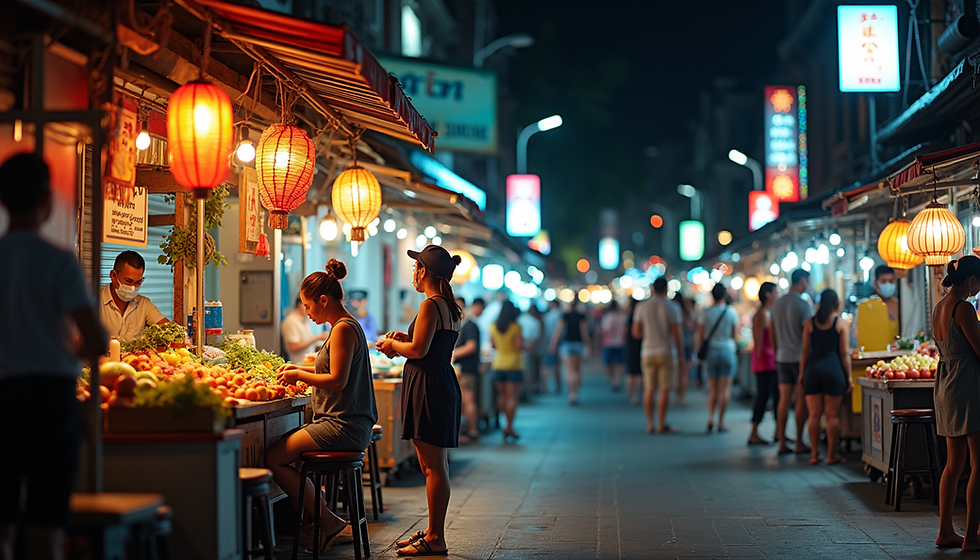
Bangkok doesn’t ask if you’re hungry. It just assumes you are and starts throwing options at you like a delicious, chaotic confetti cannon.
One minute you’re sitting under soft lighting at a Michelin-starred tasting menu, eating a tiny jewel of southern Thai curry that took three days to make. Two hours later, you’re on a plastic stool by a main road, sweating into a bowl of boat noodles while a wok hisses like it’s gossiping about you.
That’s the magic of eating in Bangkok. The city doesn’t separate “fancy” and “street” as neatly as some places do. A Michelin meal might come with white tablecloths, tweezers, and a wine pairing. Or it might come from a chef in ski goggles firing up a wok on the sidewalk. Bangkok respects flavor first. Everything else can wait its turn.
This Bangkok Michelin Eats and Street Food: Must-Try Jungle Curry Guide rounds up the restaurants, dishes, and street-side legends worth planning a trip around, with a special spotlight on jungle curry, one of Thailand’s boldest, fiercest, most misunderstood dishes.
Bring curiosity. Bring stretchy pants. Maybe bring a backup shirt.

Bangkok’s Michelin Eats is more than fancy tasting menus.
Michelin Eats in Bangkok has helped shine a global spotlight on Thai food, but the best part is how mixed the guide feels. You’ll find polished fine dining, family-run noodle shops, curry houses, old-school Thai restaurants, and street food masters who cook with the confidence of someone who knows the wok is basically an extension of their arm.
A quick heads-up before planning every meal around stars: Michelin ratings can change from year to year. Always check the latest Michelin Guide before booking, especially if you’re chasing exact star counts. The names below are well known in Bangkok’s Michelin-recognized dining scene, and they’re worth your attention for what matters most: the food.
Sorn delivers southern Thai food with serious firepower.
Sorn is one of Bangkok’s most celebrated Thai restaurants, and for good reason. It focuses on southern Thai cuisine, which means the flavors are often spicy, herbal, salty, sour, and deep. Southern Thai food doesn’t tap you politely on the shoulder. It kicks open the door and asks where the rice is.
The experience at Sorn is polished but still rooted in dishes that feel tied to place. Expect coconut, turmeric, shrimp paste, seafood, grilled elements, and curries with real depth. The cooking often highlights ingredients from southern Thailand, and the meal usually builds like a story rather than a parade of random beautiful plates.
Dishes change, but you might see ideas inspired by:
Khao yum
A southern rice salad with herbs, toasted coconut, citrusy notes, and a salty-sweet dressing. It’s fresh, fragrant, and more complex than it looks.
Southern curry preparations
These can be intense, layered, and spicy, often using turmeric, seafood, or fermented ingredients to create flavor that hangs around long after the bite.
Seafood-focused courses
Southern Thailand and seafood are best friends, and Sorn treats fish, crab, prawns, and shellfish with real respect.
Book early. This is not a “wander in because you’re nearby” situation. This is a “set alarms and act like you’re buying concert tickets” situation.
Le Du gives Thai ingredients a modern spin.
Le Du is a big name in modern Thai dining. Chef Thitid “Ton” Tassanakajohn built the restaurant around Thai seasonal ingredients, presented with a refined, contemporary style.
The name sounds French, but it comes from a Thai word linked to seasonality. The food is Thai in spirit, even when the plating looks sleek and modern.
What makes Le Du fun is how it interprets familiar Thai flavors without turning them into museum pieces. A dish might remind you of something homey, like grilled river prawn or khao chae, but it arrives with careful technique and clean presentation.
Look for dishes built around:
River prawn
Often rich, sweet, and luxurious, especially when paired with sauces that bring out the prawn’s natural sweetness.
Thai herbs and seasonal fruit
Le Du knows how to use acidity and fragrance, so the food can feel bright without being timid.
Modern curry or relish elements
These dishes show how Thai flavors can shift into fine dining without losing their punch.
Le Du is a great pick if you want a Michelin-level meal that still feels strongly connected to Thai food rather than just “international tasting menu with local garnish.” No shade to garnish. Garnish is trying its best.
Sühring proves Bangkok does world-class European food too.
Sühring is a German fine dining restaurant run by twin chefs Thomas and Mathias Sühring. It’s not Thai food, but it absolutely belongs in a Bangkok dining itinerary if you’re looking at top Michelin-rated restaurants.
The restaurant takes German and Central European flavors and gives them a graceful, modern treatment. Think bread, pickles, smoked flavors, sausages, spätzle, trout, and sauces with real comfort built into them.
The cool thing about Sühring is that it doesn’t feel stuffy. Yes, it’s refined. Yes, the plates look precise. But the flavors often hit a nostalgic, cozy note, like someone gave grandma’s pantry a very expensive culinary degree.
Must-look-for moments include:
The bread course
German bread culture gets the respect it deserves here. Expect texture, butter, spreads, and a dangerous urge to ask for a second basket.
Modern spätzle or dumpling-style dishes
Soft, satisfying, and usually paired with sauces that make you slow down.
Smoked or cured elements
These bring depth without overwhelming the meal.
Sühring is perfect when you want a break from chilies but still want a meal that feels special.
R-Haan wonderfully celebrates Thai heritage.
R-Haan is known for presenting Thai cuisine through a refined, heritage-focused lens. The restaurant leans into the richness of Thai culinary traditions, including royal Thai influences, regional ingredients, and elaborate preparations.
Meals here can feel ceremonial in the best way. The food often explores the balance Thai cuisine is famous for: spicy, sour, salty, sweet, bitter, creamy, crisp, fresh, smoky. Basically, your taste buds get a full group chat.
Dishes may include elevated versions of:
Tom yum with river prawn
Aromatic, sour, spicy, and fragrant with lemongrass, galangal, and makrut lime.
Thai curries
Expect layered curry pastes, coconut where the dish calls for it, and carefully handled proteins.
Relishes and dips
Many visitors overlook Thai nam phrik-style dishes. When done well, they’re salty, spicy, funky, fresh, and deeply satisfying with vegetables and rice.
R-Haan is a good choice if you want a broad, luxurious view of Thai culinary tradition.
Jay Fai bridges Michelin and street food.
Jay Fai is probably Bangkok’s most famous street food name. Chef Supinya “Jay Fai” Junsuta cooks over blazing charcoal, wearing her signature goggles, and turns out dishes that have achieved near-mythic status.
Yes, it’s touristy now. Yes, you may wait. Yes, it costs more than typical street food. Still, watching Jay Fai work a wok is like watching a drummer solo with fire and noodles.
The dish everyone talks about is the crab omelet, and it deserves the attention. This isn’t a thin breakfast omelet with a polite sprinkle of crab. It’s a golden, crisp-edged roll stuffed with sweet crab meat. The texture lands somewhere between fluffy, crunchy, and “how is this structurally possible?”
Other famous dishes include:
Drunken noodles
Wide rice noodles with seafood, basil, chilies, and smoky wok flavor.
Tom yum soup
Bright, spicy, and loaded with seafood.
Crab fried rice
Simple in theory, but excellent when the rice, wok heat, egg, and crab all behave.
Jay Fai is the perfect symbol of Bangkok dining: Michelin recognition, street-side energy, expensive crab, and a wok that looks like it has seen things.

Bangkok street food worth crossing town for.
Bangkok street food is not just “cheap eats.” It’s one of the best ways to understand the city. The best stalls often specialize in one thing and make it hundreds of times a day until it becomes muscle memory.
Here are some must-try stops and dishes that deliver real Bangkok flavor.
Place | What to order | Why it matters |
Jay Fai | Crab omelet, drunken noodles | Michelin-starred street food with serious wok skill |
Go-Ang Pratunam Chicken Rice | Khao man gai | Tender chicken, fragrant rice, clean broth, punchy sauce |
Rung Rueang Pork Noodle | Pork noodles | A comforting bowl with fish balls, minced pork, and bright seasoning |
Guay Jub Ouan Pochana | Rolled rice noodle soup | Peppery broth with crispy pork and curled rice noodles |
Jeh O Chula | Mama noodles with seafood or pork | Late-night comfort food with a cult following |
Thipsamai | Pad Thai | A classic Bangkok stop for smoky, sweet-tangy noodles |
Wattana Panich | Beef noodle soup | Long-simmered broth with beef and herbs |
Polo Fried Chicken | Fried chicken with garlic | Crispy chicken showered with fried garlic, because joy is real |
Go-Ang Pratunam Chicken Rice keeps things beautifully simple.
Khao man gai looks humble: poached chicken, rice, broth, sauce. Then you take a bite and realize simplicity is only simple when someone really knows what they’re doing.
Go-Ang Pratunam Chicken Rice is one of Bangkok’s most famous places for the dish. The chicken should be tender and silky, the rice fragrant from chicken fat and broth, and the sauce sharp with ginger, chilies, fermented bean paste, and garlic.
The trick is to eat it all together. Chicken alone is nice. Rice alone is nice. Sauce alone may punch you in the throat, in a friendly way. Together, it all makes sense.
Rung Rueang serves pork noodles that feel like a hug.
Rung Rueang is a favorite for pork noodles, and it’s the kind of place where regulars know exactly how they want their bowl: dry or soup, thin noodles or wide noodles, spicy or mild, extra fish balls, extra everything because lunch is serious business.
The broth is clean and savory. The toppings may include minced pork, sliced pork, pork balls, fish balls, and crispy bits. The dry version lets you season the noodles yourself with fish sauce, vinegar, sugar, and chili flakes.
That little condiment set on the table is not decoration. It’s your steering wheel.
Guay Jub Ouan Pochana brings the pepper.
Guay jub is a rolled rice noodle soup, and Guay Jub Ouan Pochana in Chinatown is a beloved place to get it. The broth is peppery and warming, with curled rice sheets, pork offal if you choose it, and crispy pork.
The magic is in the contrast. The noodles are soft and slippery. The crispy pork crackles. The broth is sharp with white pepper and garlic. It’s the kind of bowl that clears your sinuses and improves your mood, which is more than most emails can do.
Jeh O Chula owns the late-night noodle mood.
Jeh O Chula is famous for its loaded Mama noodles, especially the versions topped with seafood, pork, egg, and a spicy lime-heavy broth. It’s the kind of dish that feels engineered for midnight cravings.
The noodles are instant noodles, yes, but don’t let that fool you. Bangkok has a talent for taking humble ingredients and turning them into something people line up for. The broth is sour, spicy, salty, and rich, with enough toppings to make the bowl look like it’s wearing accessories.
Go later if you want the full late-night energy. Go earlier if you don't want to wait. Know yourself.
Thipsamai keeps Pad Thai in the conversation.
Pad Thai is famous worldwide, which also makes it easy to dismiss. Don’t. A good Pad Thai is smoky from the wok, tangy from tamarind, lightly sweet, nutty from peanuts, and savory from fish sauce or dried shrimp.
Thipsamai is one of Bangkok’s iconic Pad Thai restaurants. The versions wrapped in a thin egg sheet are especially popular. Is it the only Pad Thai worth eating in Bangkok? Of course not. Bangkok has too many versions to be limited to one. But it’s a classic stop if you want to understand why the dish became so famous.
Order it with fresh lime and chili flakes on the side. Then adjust. Pad Thai is a democracy, but the noodles are still in charge.
Wattana Panich proves patience tastes amazing.
Wattana Panich is known for beef noodle soup with a deeply flavored broth. The giant simmering pot is part of the legend, and the soup carries the flavor of beef, herbs, spices, and time.
The meat can be tender, the broth rich, and the whole bowl deeply comforting. This is not flashy food. It’s slow food served fast, which is a beautiful loophole.
Polo Fried Chicken understands garlic as a lifestyle.
Polo Fried Chicken is beloved for crispy fried chicken topped with a glorious mountain of fried garlic. The chicken is savory and crunchy, but the garlic is the scene-stealer. It gets into every crevice, sticks to the rice, and generally behaves like edible glitter.
Pair it with som tam, sticky rice, and maybe a cold drink. Suppose your fingers smell like garlic afterward; congratulations. You did lunch correctly.

Jungle curry is the dish to chase in Bangkok.
Now let’s give jungle curry the attention it deserves.
Jungle curry, or gaeng pa, is one of Thailand’s most exciting curries because it breaks the rule many visitors think all Thai curries follow: no coconut milk.
That means jungle curry isn’t creamy like green curry or massaman. It’s thinner, sharper, hotter, and more herbal. The flavor hits fast and clean. No coconut fat softens the chilies, so the spices come through with all the subtlety of a fire alarm wearing perfume.
And yes, that’s a compliment.
What goes into jungle curry?
Recipes vary by region and cook, but jungle curry usually starts with a curry paste built from ingredients like:
Fresh or dried chilies
Lemongrass
Galangal
Garlic
Shallots
Makrut lime zest or leaves
Fingerroot, also called krachai
Peppercorns
Shrimp paste, depending on the version
Cook the curry with water or stock, not coconut milk. Then come the vegetables, herbs, and protein.
Common additions include:
Thai eggplant
Pea eggplant
Bamboo shoots
Long beans
Green peppercorns
Holy basil or Thai basil
Wild ginger or fingerroot
Chicken, pork, beef, fish, wild boar, or mushrooms
The result is fiery and fragrant. Fingerroot brings an earthy, almost medicinal aroma. Green peppercorns pop with sharp heat. Thai eggplants soak up the curry. Basil gives it lift. The broth stays light, but the flavor is anything but shy.
Why jungle curry is a must-try.
Jungle curry shows a different side of Thai curry. If your curry experience begins and ends with coconut-rich green, red, yellow, panang, or massaman, gaeng pa will reset your expectations.
Here’s why it stands out:
It’s intensely aromatic.
The herbs don’t hide behind coconut milk. Lemongrass, galangal, basil, lime leaf, and fingerroot all get their moment.
It has real heat.
Jungle curry is often spicy. Not “oh, that’s zesty” spicy. More like “I can suddenly hear colors” spicy.
It feels light but powerful.
The broth is thin, yet the flavor is deep. You can eat it with rice and still feel like walking afterward, maybe slowly, maybe while reflecting on your choices.
It connects to countryside cooking.
The dish is associated with forest and rural-style cooking, using herbs, vegetables, and proteins available inland, where coconut wasn’t always the default.
It’s great with rice.
This sounds basic, but it matters. Jungle curry is built to be eaten with rice. The rice softens the heat, catches the broth, and turns it into a full meal.
Where to look for jungle curry in Bangkok.
Jungle curry appears at classic Thai restaurants, curry shops, and some Michelin-recognized Thai spots with rotating menus. It’s not always on every menu, so ask for gaeng pa if you don’t see “jungle curry” written in English.
Good places to look include:
Charmgang Curry Shop
A lively curry-focused restaurant known for bold Thai flavors. Menus can change, but this is the kind of place where curry is not treated as a side character.
Sanguan Sri
An old-school Thai restaurant known for classic dishes and a loyal lunch crowd. If jungle curry is on the menu, expect a direct, traditional style.
Methavalai Sorndaeng
A long-running Thai restaurant known for heritage cooking. It’s a good place to explore classic curries and polished old Bangkok flavors. On occasion, they may also have minced cobra.
R-Haan or other Thai tasting-menu restaurants
Jungle curry may appear as an inspired course or seasonal preparation rather than a permanent dish. If it shows up, order with confidence.
If you’re spice-sensitive, don’t try to prove anything. Ask about the heat level. Bangkok does not hand out trophies for pretending you’re fine while your soul leaves your body.
How to eat jungle curry like you mean it.
Jungle curry works best when you treat it as part of a meal, not as a solo stunt.
Order it with:
Steamed jasmine rice
Non-negotiable. Rice is the calm friend in the group.
A mild vegetable dish
Stir-fried morning glory or cabbage helps balance the spice.
A crispy dish
Fried fish, omelet, or fried chicken gives texture and relief.
Something cooling
Fresh cucumber, herbs, or a simple soup can reset your palate.
The best bite is rice with a spoonful of broth, a piece of eggplant, a little basil, and just enough protein. Then breathe. Then go back in. That’s the rhythm.

How to build a ridiculous but realistic Bangkok food day.
Bangkok food planning is dangerous because everything sounds good. If you try to eat six full meals in one day, the city will win. Bangkok always wins.
Here’s a smarter way to structure a food day that includes Michelin-level dining, street food, and jungle curry without turning lunch into an endurance sport.
Start with something simple and comforting.
Go for khao man gai at Go-Ang Pratunam or pork noodles at Rung Rueang. Both are satisfying but not too heavy. They also give you a gentle start before the chilies enter the chat.
Order small if you’re planning multiple stops. This is hard because the food is good, but restraint early means more joy later.
Snack through the afternoon.
This is the moment for Chinatown, market wandering, or a targeted snack mission.
Look for:
Grilled pork skewers, called moo ping
Green papaya salad, called som tam
Mango sticky rice
Coconut pancakes, called kanom krok
Thai iced tea if you need sugar, caffeine, and emotional support in one cup
You don’t need every snack to be famous. Some of the best Bangkok bites happen when you follow the smell of smoke, garlic, or grilled banana.
Make jungle curry your main Thai meal.
For lunch or dinner, choose a restaurant that takes curry seriously. Order jungle curry with rice and a few balancing dishes. This is your “I came to Bangkok to eat real Thai food” moment.
Don’t rush it. Jungle curry has layers. The first bite is heat. The second bite brings herbs. The third bite reminds you that eggplant is doing more work than anyone gives it credit for.
Save one night for Michelin dining.
Book Sorn, Le Du, Sühring, R-Haan, Baan Tepa, Gaa, Paste, Potong, Mezzaluna, or another Michelin-recognized restaurant that fits your mood.
A few quick vibes:
Restaurant | Best for | Flavor personality |
Sorn | Southern Thai intensity | Spicy, herbal, seafood-rich, layered |
Le Du | Modern Thai cooking | Seasonal, refined, creative |
Sühring | European fine dining | Elegant, comforting, precise |
R-Haan | Thai heritage cuisine | Grand, balanced, ceremonial |
Baan Tepa | Farm-to-table Thai ideas | Personal, ingredient-focused, creative |
Gaa | Modern Indian-influenced dining | Bold, clever, spice-driven |
Paste | Refined Thai recipes | Elegant, aromatic, historically inspired |
Potong | Thai-Chinese storytelling | Personal, layered, rooted in family history |
Don’t stack a big Michelin tasting menu after a giant noodle crawl unless you enjoy sitting through course seven while negotiating with your waistband.

Smart tips for eating well in Bangkok.
Bangkok rewards flexible eaters. Some legendary places have long waits, odd hours, changing menus, or ordering systems that make you briefly wonder if you’ve joined a scavenger hunt.
A few tips help.
Book the big restaurants early.
For Michelin-starred restaurants and famous tasting menus, reserve ahead. The best-known places can fill up fast, especially on weekends and during peak travel periods.
If a restaurant requires a deposit, read the cancellation policy. Plans change, but restaurants serving multi-course menus often prep heavily in advance.
Bring cash for street food.
Many street food spots still prefer cash. Small bills help. Don’t be the person trying to pay for a $2 bowl of noodles with a huge note while a line forms behind you like a judgmental parade.
Learn a few useful food words.
You don’t need fluent Thai to eat well, but a few words help.
Thai term | Meaning |
Gaeng pa | Jungle curry |
Mai phet | Not spicy |
Phet nit noi | A little spicy |
Phet mak | Very spicy |
Khao | Rice |
Gai | Chicken |
Moo | Pork |
Goong | Shrimp |
Pla | Fish |
Aroi | Delicious |
Use “mai phet” with caution. Some places hear “not spicy” and still serve something that would make a jalapeño nervous. Smile, sip water, eat rice.
Follow the crowd, but watch the turnover.
Busy stalls are usually a good sign, especially when locals are eating there. High turnover also means fresher food.
Look for vendors cooking to order, broths that are actively simmering, and fried items that move quickly. If something has been sitting too long in the heat, skip it; too many great options to gamble.
Don’t eat only from famous lists.
Michelin recognition is useful, but Bangkok’s food scene is bigger than any guide. Eat the famous crab omelet if you want. Book the tasting menu if it excites you. But also leave room for the random noodle stall near your hotel, the auntie grilling bananas, and the curry rice shop packed at noon.
Some meals become memorable because they’re perfect. Others because you found them while lost, sweaty, and slightly confused. Bangkok specializes in both.

FAQ
Is Bangkok street food safe to eat?
In general, busy stalls with high turnover are a good bet. Choose places where food is cooked fresh, soups are hot, and ingredients move quickly. Use common sense, drink bottled or filtered water, and skip anything that looks like it has been sitting out too long.
Do I need reservations for Michelin restaurants in Bangkok?
Yes, for the well-known Michelin-starred restaurants, book ahead. Places like Sorn, Le Du, Sühring, R-Haan, and other tasting-menu spots can fill up quickly. Street food and casual Michelin-recognized spots may not take reservations, so expect a wait.
What does jungle curry taste like?
Jungle curry tastes spicy, herbal, peppery, and aromatic. Unlike many Thai curries, it has no coconut milk, so the broth is lighter and the herbs come through more clearly. Expect chilies, lemongrass, galangal, fingerroot, basil, eggplant, and a clean but powerful heat.
Is jungle curry always very spicy?
Usually, yes. Jungle curry is known for heat, and the lack of coconut milk means there’s less richness to soften the chilies. Some restaurants can adjust the spice level, but the dish is meant to have a kick.
What’s the one Bangkok dish I shouldn’t miss?
If you want something iconic, try Jay Fai’s crab omelet or a great bowl of boat noodles. If you want something that shows a deeper side of Thai curry, make jungle curry a must-try.
The best Bangkok meals are the ones that surprise you.
Bangkok is one of the world’s great eating cities because it refuses to fit into one neat category. You can eat a refined tasting menu built around rare southern Thai ingredients, then stand on a sidewalk with a bag of grilled pork skewers like it’s the most natural dinner plan in the world.
The Michelin restaurants are worth planning for. Sorn, Le Du, Sühring, R-Haan, Jay Fai, and Bangkok’s other recognized spots show real craft, personality, and pride. The street food is just as essential, from chicken rice and peppery guay jub to smoky Pad Thai and garlic-covered fried chicken.
And jungle curry? Don’t leave without trying it. It’s fiery, fragrant, and unforgettable. It proves Thai curry doesn’t need coconut milk to be rich, and it gives you a delicious little lesson in how powerful herbs, chilies, and rice can be when they’re working together.
Eat widely. Order bravely. Keep rice nearby. Bangkok will take care of the rest.
Many scams exist on Airbnb and Vrbo. I won't recommend places listed there on my blog. Here are links to a couple of cases you can read if you would like. Airbnb currently faces over 200 lawsuits.
Places To Stay:
You can show your appreciation with a virtual coffee if you have found value in my blog.

Don’t forget to sign up for my monthly newsletter.
Some links on my website are affiliate links. I earn from qualifying purchases as an Amazon Associate and an Expedia Associate. Through other links, I may also receive a small commission at no extra cost to you. Using them supports me, helps offset the cost of running this website, and helps me keep providing free content and resources.
I truly appreciate the support!


Comments